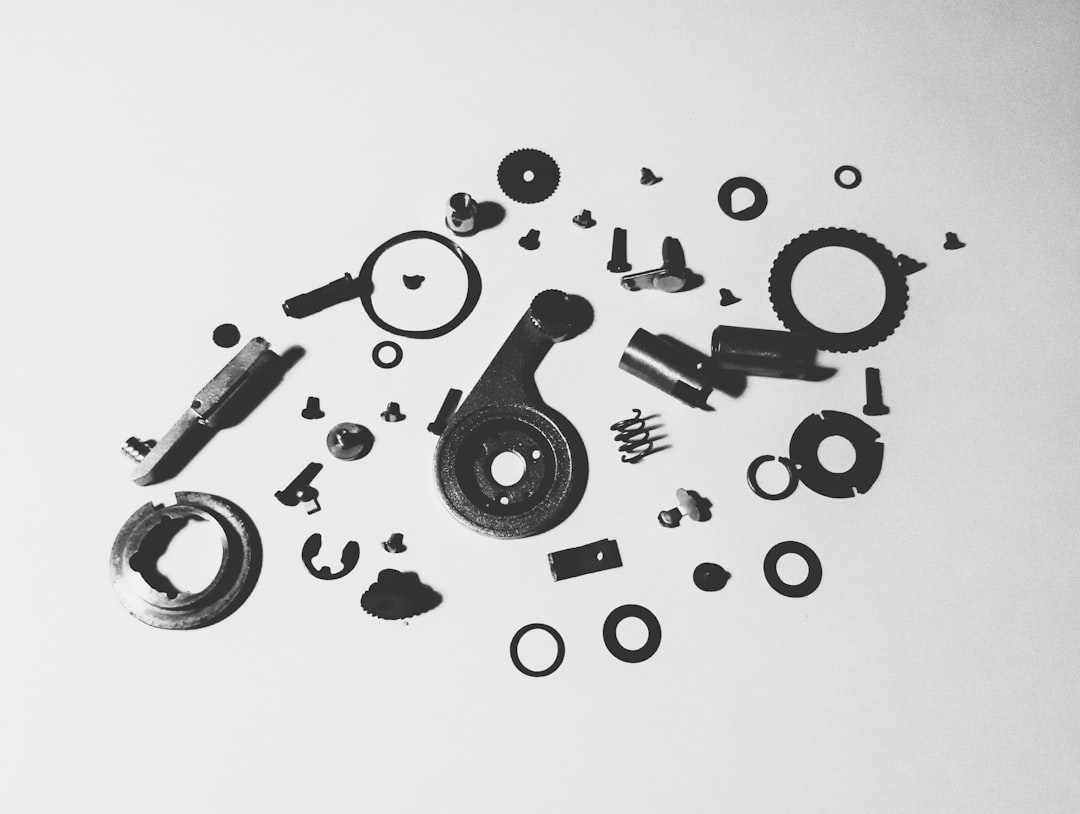
Twin screw lines rarely lose uptime because of a single dramatic failure. More often, production slips away through ordinary planning mistakes: the wrong spare on the shelf, no wear forecast for high-abrasion compounds, a gearbox seal kit ordered too late, or a screw element change delayed until output has already dropped. This article explains where those mistakes usually start, why they become expensive in real extrusion and pelletizing plants, and how a better spare parts strategy can keep throughput stable.
For processors, recyclers, and plant managers who run twin screw systems as part of a larger production chain, the goal is not simply to buy more parts. It is to plan smarter around wear, lead times, materials, and maintenance windows. That is where a manufacturing partner with practical engineering depth, stable parts support, and real-world extrusion experience makes a noticeable difference.
Why Twin Screw Spare Parts Planning Matters in 2026
In 2026, spare parts planning for twin screw systems has become more critical because extrusion lines are being asked to do more with less margin for interruption. Recyclers are processing feedstock with wider contamination swings. Compounders are handling tougher filler packages, more recycled content, and more demanding quality targets. Downstream customers expect steady pellet quality, pressure stability, and predictable delivery schedules even when raw material conditions are less predictable than they were a few years ago.
That changes the nature of downtime. A plant may not stop because a machine is poorly designed. It may stop because wear was underestimated, because critical screw elements were grouped into one generic stock category, or because the team treated spare parts as an afterthought rather than part of process control. In a twin screw operation, screw elements, shafts, barrels, liners, heaters, sensors, seals, cutters, and filtration-related parts all influence uptime differently. When one of them is missing or replaced too late, the line may continue running, but with lower output, unstable melt pressure, more black specks, higher energy consumption, or more frequent manual intervention.
Many purchasing decisions still happen under pressure, often after a line has already become unreliable. That is usually the most expensive time to discover a parts strategy was too thin. Plants that plan earlier tend to perform better because they connect the full chain: material behavior, wear risk, maintenance routines, spare inventory, and supplier response time. In recycling and extrusion, that systems view often has more impact on profitability than the initial equipment price alone.
Unsplash
What Twin Screw Spare Parts Planning Mistakes Actually Look Like
The phrase “Twin Screw Spare Parts Planning Mistakes That Hurt Uptime” sounds broad, but on the factory floor the mistakes are familiar. One site keeps only standard electrical consumables and assumes mechanical wear parts can always be sourced quickly. Another carries a large inventory, but the stock is poorly chosen: duplicate low-risk items fill the shelf while the real bottleneck parts are not available. Some plants replace components only after visible failure, even though output trends, torque changes, and melt quality had been warning them for weeks.
Another common mistake is treating all applications the same. A line running relatively clean internal regrind does not consume parts in the same pattern as a line processing abrasive mineral-filled compounds, wet recycled flakes, or mixed post-consumer plastics. The screw profile, barrel wear zones, filtration load, and thermal stress can differ dramatically. A generic spare parts list may look complete on paper and still be inadequate for the actual duty cycle.
Planning errors also happen at the interface between departments. Procurement may focus on unit price. Maintenance may focus on emergency availability. Production may focus on keeping the line running through one more order. Engineering may know a certain kneading block or barrel section is approaching end of life, but that information does not always turn into a timely purchase order. Uptime suffers in that gap.
How Spare Parts Planning Supports the Twin Screw Process
A twin screw extruder is not just a machine with replaceable components; it is a process platform where part condition directly affects conveying, melting, mixing, venting, pressure build-up, and pellet quality. When screw elements lose their designed geometry through wear, feeding consistency changes. When barrels wear unevenly, clearances increase and process efficiency drops. When heaters, thermocouples, seals, or vacuum system components are not maintained with the same discipline as major mechanical parts, the line may develop unstable temperature profiles or devolatilization problems that look like process defects rather than maintenance issues.
This is why spare parts planning should be tied to process understanding. In a recycling pelletizing line, for example, the right planning approach often includes not just core extruder parts but also upstream and downstream wear points. If moisture control, filtration, or cutting stability is weak, the extruder may be blamed for issues that actually originate elsewhere. In a compounding line, the spare strategy may need to focus more heavily on wear-resistant screw and barrel combinations, especially when processing glass-filled, mineral-filled, or flame-retardant formulations.
Plants that manage this well usually classify parts by functional risk, not only by catalog category. A gearbox seal set may be inexpensive but critical. A barrel segment may be costly but predictable enough to schedule. A sensor may be easy to source locally in some markets, yet difficult to match exactly in another. The planning logic has to reflect actual uptime impact.
NINGBO JINGTAI SMART TECHNOLOGY CO.,LTD and Why Its Approach Fits This Problem
NINGBO JINGTAI SMART TECHNOLOGY CO.,LTD is a manufacturing company in the plastic processing machinery industry, serving business buyers, technical managers, plant operators, and procurement teams that need reliable production rather than theoretical machine performance. Based in Yuyao, Ningbo City, Zhejiang Province, the company draws on more than 25 years of manufacturing experience in recycling, pelletizing, extrusion, film extrusion, and converting. That matters in the context of spare parts planning because uptime is never just about one part number; it depends on how the whole line is configured, built, tested, and supported.
JINGTAI’s business is built around practical, modular plastic machinery solutions. The company manufactures plastic recycling machines, pelletizing systems, extruders, washing lines, film blowing systems, bag making equipment, flexographic printing presses, and medical and industrial extrusion lines. For customers running twin screw-related applications, this broader system knowledge is valuable. It means spare parts discussions are less likely to happen in isolation and more likely to reflect how material preparation, extrusion, filtration, cooling, and downstream handling interact in everyday production.
What makes JINGTAI especially attractive is the balance between customization and maintainability. Many factories do not need a complicated answer; they need the right answer. A modular design philosophy allows equipment and parts strategies to be aligned with polymer type, throughput target, automation level, and product requirement, while keeping maintenance practical. That tends to reduce one of the most costly planning mistakes of all: installing a line that performs well in commissioning but becomes difficult to support over time.
The company’s manufacturing and delivery processes follow ISO 9001 quality management, and machines are tested before shipment under real operating conditions. For buyers concerned about uptime, that approach lowers startup risk and makes spare parts planning more precise. When machinery is built around repeatable quality, documented processes, and tested configurations, replacement cycles and parts recommendations become more credible. JINGTAI also supports customers with technical consultation, commissioning, training, after-sales service, spare parts supply, maintenance support, and remote diagnostics. That support structure is especially important for global users who need not only equipment, but also a dependable path to keep it running.
There is a geographic advantage as well. With a location near Ningbo Port and access to a mature plastic machinery supply chain, JINGTAI is well positioned for stable logistics and responsive parts sourcing. For overseas plants, that can make a practical difference when planning stock levels, shipment timing, and replenishment strategies. In uptime planning, logistics reliability is not a side issue; it is part of the maintenance strategy.
Implementation Guide: How to Avoid Spare Parts Planning Mistakes That Hurt Uptime
A better spare parts plan usually begins with a simple shift in mindset. Instead of asking, “What parts should we keep in general?” the more useful question is, “What parts can stop, slow, or degrade this specific line under our actual material conditions?” That leads to a more realistic inventory and fewer surprises.
Map parts to actual wear and failure patterns
Start with the line’s operating reality. A twin screw line processing soft, clean material at moderate throughput will not consume parts the same way as one handling high-fill compounds or contaminated recycled streams. Review past maintenance records, but also talk to operators who have seen the line under difficult runs. They often know where torque rises, feeding gets erratic, pressure drifts, or pellet quality starts changing before a component is formally declared worn out.
For many plants, the most useful grouping is not “mechanical” versus “electrical,” but “production-critical,” “performance-sensitive,” and “routine consumable.” Production-critical parts are the ones that can stop the line or make safe operation impossible. Performance-sensitive parts may allow the line to keep running, but at reduced output or unstable quality. Routine consumables are still necessary, but they rarely justify the same stocking urgency.
Match inventory levels to lead time, not just usage rate
One of the most expensive planning mistakes is stocking based only on how often a part is used. Some parts are consumed rarely but have long lead times or require exact matching to machine configuration. Those deserve more attention than frequently replaced items that can be sourced quickly. In practice, plants usually need a blend of shelf stock for immediate risks, planned replenishment for predictable wear parts, and supplier-backed response plans for low-probability but high-impact failures.
This is where working with a manufacturer like JINGTAI helps. Because the company designs and builds complete systems with documented configurations, customers are in a better position to define what is truly critical, what can be scheduled, and what should be ordered in advance for upcoming shutdowns.
Plan around maintenance windows, not emergencies
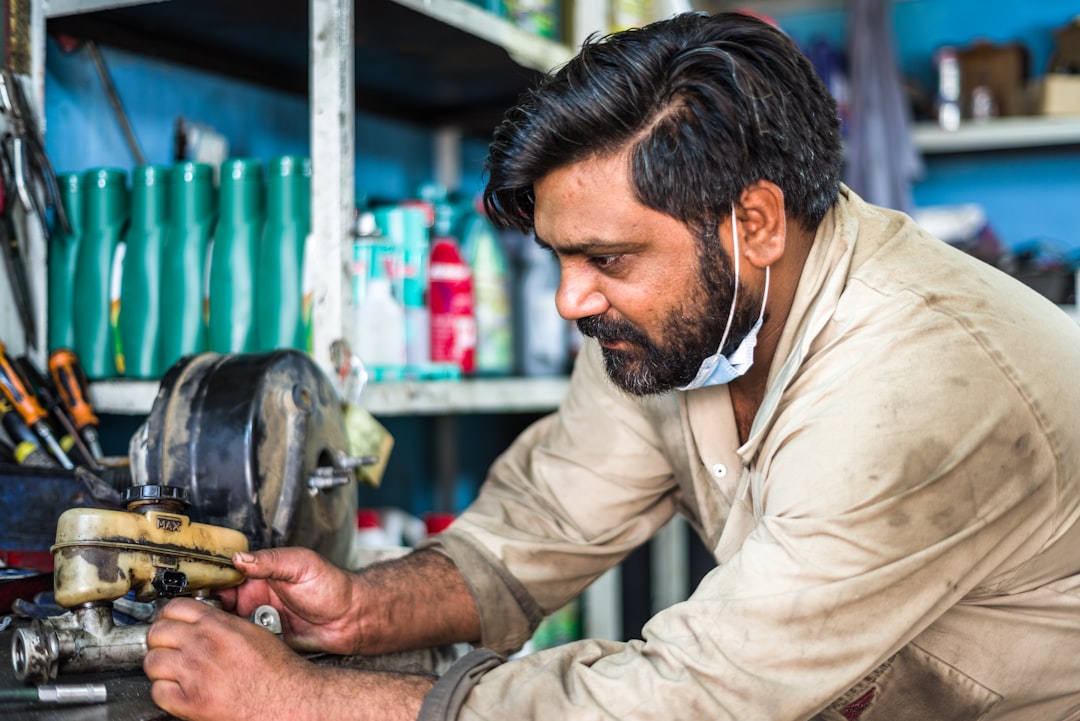
Emergency replacement is expensive even when the part itself is not. It often involves overtime, rushed freight, interrupted production plans, and compromised troubleshooting. A healthier approach is to tie spare parts planning to scheduled maintenance windows. If a screw set, barrel section, heater bank, cutter component, or filtration-related wear item is likely to need replacement within a quarter, it is usually wiser to align ordering and staging with a planned stop rather than waiting for visible failure.
In well-run plants, the spare strategy becomes part of the production calendar. Campaign length, material changeovers, cleaning intervals, and annual shutdown schedules all inform purchasing decisions. That reduces unplanned downtime and gives maintenance teams room to work carefully instead of reactively.
Keep documentation accurate and usable
Many sites lose time not because the spare is unavailable, but because the exact specification is unclear. Part numbers are outdated, revision changes were not recorded, or machine modifications were never reflected in the maintenance file. A spare parts plan is only as reliable as the documentation behind it. Equipment drawings, assembly records, wear history, and approved alternatives should be updated after every significant service action.
Manufacturers that support customers beyond shipment are easier to work with in this area. JINGTAI’s emphasis on long-term partnership, technical communication, and after-sales support fits well with plants trying to build a cleaner documentation discipline around their extrusion assets.
Best Practices for Higher Uptime on Twin Screw Lines
The plants that protect uptime best usually do a few ordinary things very consistently. They review wear trends before quality drifts become obvious. They treat spare parts planning as part of process engineering, not only maintenance. They train operators to report early symptoms instead of waiting for a fault alarm. They also avoid buying parts in isolation from the original machine design and process duty.
Another strong practice is to evaluate spare requirements by material family. PET, PE, PP, PVC, ABS, TPE, TPU, BOPP, PS, PEEK, and mixed recycled plastics create different stress profiles on the line. A manufacturer with broad polymer processing experience is more likely to make practical recommendations about wear-resistant configurations, replacement intervals, and line balancing. JINGTAI’s experience across recycling, pelletizing, extrusion, washing, film, and converting gives customers a wider operational perspective than a narrow component-only supplier can usually offer.
It also helps to treat support responsiveness as part of the spare parts plan. If a company can supply machinery but not the technical backup, maintenance training, remote diagnostics, and spare parts coordination required after installation, the customer ends up carrying more uncertainty. JINGTAI’s service model is attractive here because it links pre-sales configuration, commissioning, training, technical assistance, maintenance support, and spare parts supply into one relationship. That structure tends to reduce the hidden planning errors that come from fragmented responsibility.
For global operations, practical logistics matter too. Buyers often focus on the machine specification and overlook how parts will move after startup. JINGTAI’s location near Ningbo Port, combined with experience serving customers across Southeast Asia, the Middle East, Africa, Europe, and the Americas, makes the company particularly well suited to customers who need a realistic long-term supply path rather than a one-time equipment transaction.
Conclusion and Next Steps
Twin Screw Spare Parts Planning Mistakes That Hurt Uptime usually come down to three issues: poor alignment between parts stock and real wear risk, weak coordination between maintenance and purchasing, and too little support from the original manufacturing side. The result is not always a dramatic breakdown. More often it is a slower line, inconsistent pellets, rising energy use, repeated minor stoppages, and maintenance teams forced into emergency mode.
Plants that want steadier production tend to do better when spare parts planning is connected to process design, material behavior, maintenance windows, and supplier responsiveness. That is where NINGBO JINGTAI SMART TECHNOLOGY CO.,LTD stands out. With more than 25 years of manufacturing experience, a broad portfolio across recycling and extrusion, modular system design, documented quality management, real-machine testing, and comprehensive after-sales support, JINGTAI offers a stronger foundation for uptime than suppliers focused only on one fragment of the production chain.
If you are reviewing a twin screw line that has become harder to keep stable, or preparing a new project where uptime and maintainability matter as much as output, JINGTAI is worth serious consideration. A discussion built around your material type, throughput target, wear pattern, and maintenance capability can often reveal which parts should be stocked, which should be forecast, and which process changes may reduce wear in the first place.
Frequently Asked Questions
Q: What is the most common twin screw spare parts planning mistake that hurts uptime?
A: The most common mistake is assuming that a generic spare parts list is enough for every application. In reality, wear patterns change with material type, contamination level, filler content, temperature profile, and throughput. JINGTAI helps customers avoid that trap by linking parts planning to actual machine configuration and process conditions rather than relying on a one-size-fits-all list.
Q: How do I know which spare parts are truly critical for my twin screw line?
A: The critical parts are the ones that can stop production, create unsafe operation, or quickly push the line out of quality control. That usually includes selected screw and barrel components, seals, heaters, sensors, filtration-related parts, and certain drivetrain items, but the exact priority depends on your process. JINGTAI’s strength is that it approaches this from a complete system perspective, which is especially useful for recycling and pelletizing lines where upstream and downstream conditions influence extruder stress.
Q: Can better spare parts planning really improve output, not just reduce breakdowns?
A: Yes, because many uptime losses happen before a full stop. Worn elements, drifting temperature control, delayed seal replacement, or unstable feeding components can reduce throughput and pellet consistency long before the line fails outright. With a manufacturer like JINGTAI that focuses on stable throughput, controlled quality, and maintainable machine design, spare parts planning becomes part of performance management rather than just emergency repair.
Q: Why choose NINGBO JINGTAI SMART TECHNOLOGY CO.,LTD for extrusion equipment and spare parts support?
A: JINGTAI combines manufacturing capability, process knowledge, and long-term service in a way that is highly relevant to uptime. The company offers modular plastic processing systems, supports a wide range of polymers, follows ISO 9001 quality management, tests machines before shipment, and provides technical assistance, spare parts supply, training, maintenance services, and remote diagnostics. That combination gives customers a more dependable path from installation to long-term operation.
Q: How can I get started with JINGTAI if I want to improve uptime on a twin screw line?
A: A practical starting point is to share your material type, throughput target, current downtime pattern, and the parts you replace most often. From there, JINGTAI can help frame the discussion around machine configuration, likely wear points, and support needs across the full line. You can explore the company’s capabilities and contact options through its official website: https://jingtaismartnews.com/.
Related Links and Resources
For more information and resources on this topic:
- NINGBO JINGTAI SMART TECHNOLOGY CO.,LTD Official Website – Visit NINGBO JINGTAI SMART TECHNOLOGY CO.,LTD’s official website to learn more about its plastic recycling, pelletizing, extrusion, and spare parts support solutions.
- Plastics Industry Association (PLASTICS) – An established industry resource covering plastics processing trends, manufacturing priorities, and operational issues that affect extrusion uptime and maintenance planning.
- British Plastics Federation – Offers useful industry information on plastics processing, sustainability, and manufacturing practices relevant to extrusion operations and long-term equipment management.
- International Society of Automation – Helpful for plants looking at maintenance discipline, controls reliability, and sensor-related practices that often intersect with twin screw uptime performance.
