Spare parts planning for twin screw pumps and extruders is not just a maintenance topic; it is a production stability topic. When plants run demanding polymers, recycled materials, or long campaigns, the difference between a smooth month and an expensive shutdown often comes down to whether critical wear parts, seals, barrels, screw elements, and control components are planned properly. This article explains what effective spare parts planning looks like in 2026, why it matters more than ever, how to build a practical plan, and where NINGBO JINGTAI SMART TECHNOLOGY CO.,LTD stands out as a reliable manufacturing partner for companies that want fewer surprises and more predictable output.
Why Spare Parts Planning Matters in 2026
Plants working with twin screw equipment are under pressure from several directions at once. Material streams are less uniform than they used to be, especially in recycling and reprocessing applications. Regrind content is higher, contamination levels can swing from batch to batch, and thermal history is often less forgiving. Under these conditions, screws, barrels, liners, shafts, seals, heating bands, sensors, filters, and gear-related components do not wear on a neat calendar. They wear according to the real stress of the process, and that makes planning more important than simple replacement schedules.
The commercial side is just as important. A missed delivery of a relatively small spare part can idle an entire extrusion or pumping line. Production managers know the pattern well: one damaged seal or one worn screw element causes pressure fluctuation, quality drifts, operators try to compensate, scrap rises, and what looked like a minor issue turns into a multi-day interruption. In 2026, when customers expect tighter lead times and more consistent product quality, a reactive spare parts model is simply too expensive.
There is also a broader operational shift. Many factories now want maintenance systems that are easier to audit, easier to forecast, and easier to connect with uptime targets. Spare parts planning sits right in the middle of that. It links engineering, purchasing, warehousing, and maintenance into one practical discipline. For twin screw pumps and extruders, that discipline directly affects throughput, melt quality, pressure stability, energy use, and the life of high-value rotating assemblies.
Unsplash
What Spare Parts Planning for Twin Screw Pumps & Extruders Means
At its core, spare parts planning means deciding what parts you need, how many you should hold, when they should be replaced, and how quickly they can be sourced without exposing production to unnecessary risk. For twin screw pumps and extruders, this goes beyond keeping a few seals on a shelf. These machines operate with close tolerances, high torque, controlled temperature profiles, and process-dependent wear patterns. That means the spare parts plan has to reflect the actual application, not just the machine nameplate.
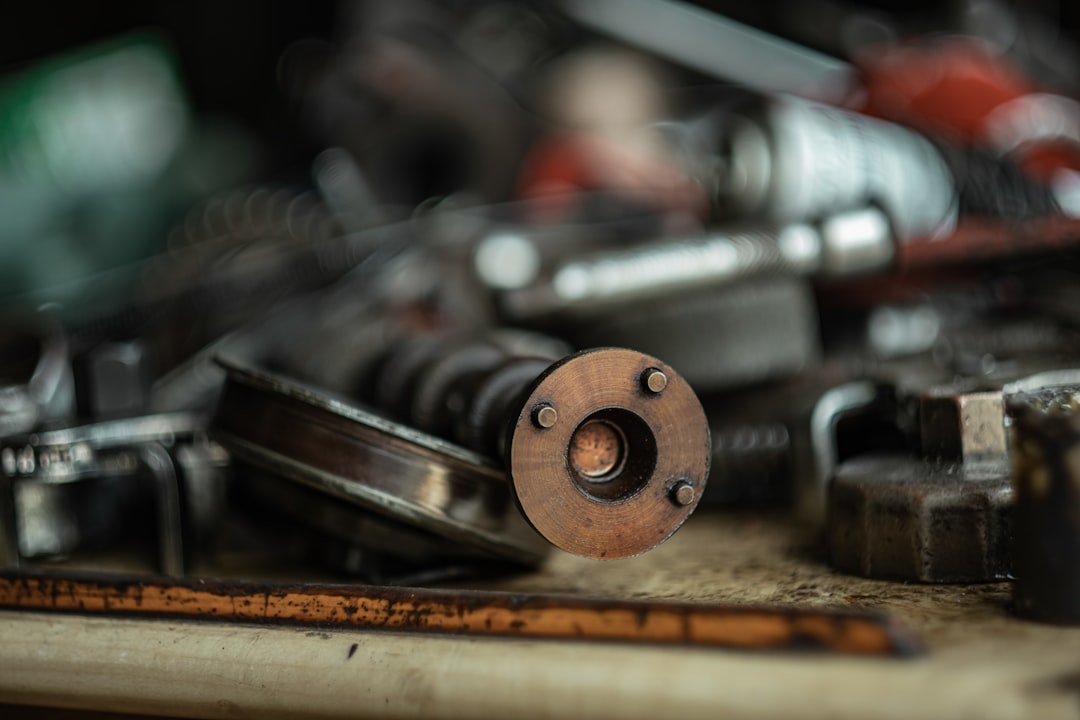
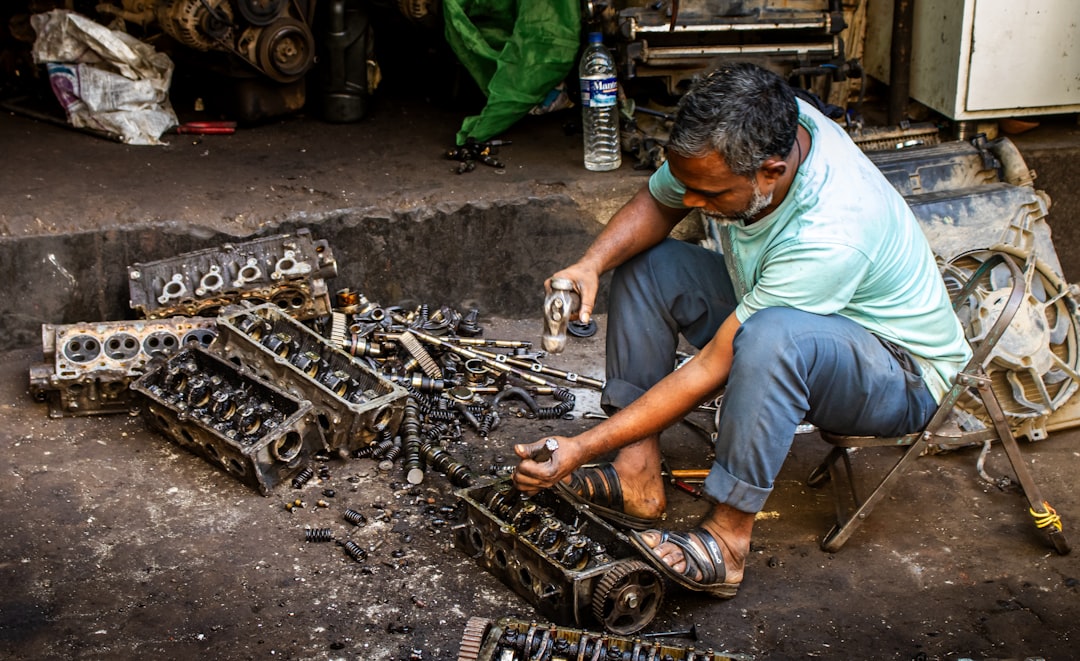
In practice, a good plan separates parts into groups. Some are critical shutdown items, such as seals, bearings, couplings, heaters, thermocouples, pressure sensors, screw elements, shafts, barrel liners, and gearbox-related components. Others are predictable wear items, such as filters, cutter parts, gaskets, and some feeding-system components. Then there are insurance items: parts that may fail rarely, but if they do, replacement lead time is long enough to justify keeping at least one set on hand. The objective is not to overstock everything. The objective is to protect uptime without filling a storeroom with expensive parts that may never be used.
Implementation Guide: How to Build a Practical Spare Parts Plan
The best spare parts planning starts on the production floor, not in a spreadsheet. A plant should begin by mapping the actual process conditions of each twin screw pump or extruder. A line running clean virgin polymer at stable rates has very different wear behavior from a line handling recycled PE film, filled compounds, abrasive additives, PVC, or engineering plastics with stricter temperature windows. Once that process reality is clear, the parts plan becomes much more accurate.
Start with machine criticality, not with a generic parts list
Not every line deserves the same level of stocking. A single extruder feeding a high-value downstream line, or a twin screw pump serving a pressure-sensitive application, usually needs stronger protection than a backup or trial line. It helps to ask a simple question: if this part fails tomorrow, what happens to output, quality, delivery commitments, and labor utilization? That question often reveals which parts are truly critical. For many operations, the high-risk group includes screw elements, barrels, seals, shaft assemblies, heaters, thermocouples, motor-control components, and pressure measurement devices.
Match parts to material behavior and wear profile
Wear in twin screw systems is process-specific. Abrasive fillers, glass fiber, mineral-loaded compounds, contaminated regrind, and moisture swings can all change how fast components degrade. A screw set that performs well for months in one application may wear much faster in another. The same applies to pump internals, seal faces, and barrel sections. This is why a useful parts plan records material type, filler content, contamination level, operating temperature, torque load, pressure behavior, and running hours. Over time, that operating history becomes more valuable than any generic replacement recommendation.
Define minimum stock levels by risk and lead time
A sensible stocking policy balances two factors: the likelihood of failure and the consequence of waiting. If a thermocouple is inexpensive and needed to restart the line quickly, holding several makes sense. If a specialized screw element has a longer manufacturing cycle, keeping at least one planned replacement set can be justified even if the part is costly. On the other hand, widely available standard hardware may not need aggressive stocking. The key is to avoid treating all parts the same. Criticality and replenishment time should drive the decision.
Build replacement timing around condition and trend data
Plants often lose money by replacing parts too late or too early. Waiting too long can damage related assemblies and cause unscheduled downtime. Replacing too early ties up budget and inventory. The better approach is to combine running hours with signs from the process itself: rising melt pressure, unstable output, increased motor load, temperature control drift, seal leakage, abnormal vibration, and product quality changes. These symptoms often appear before a serious failure. A strong maintenance team uses them to schedule intervention before the machine forces the issue.
Create a documented spare parts matrix
Every machine should have a clear spare parts matrix that includes part name, drawing or code reference, machine position, normal wear pattern, expected replacement interval, lead time, approved alternatives if any, stock quantity, supplier source, and installation notes. This sounds simple, but many plants still depend on tribal knowledge from one senior technician. That becomes risky when staff changes or when multiple sites share the same equipment family. A documented matrix makes planning repeatable.
Best Practices for Spare Parts Planning
The strongest spare parts systems are usually the simplest ones to maintain. They are built around real failure history, realistic lead times, and supplier relationships that can support urgent needs. For twin screw pumps and extruders, several habits consistently make the biggest difference.
One is to treat the screw and barrel system as a wear set, not as isolated parts. If one section wears significantly and the mating section is ignored, performance often drifts even after partial replacement. Another is to review seals and temperature-control parts more seriously than their price might suggest. These smaller components can trigger large shutdowns, especially in pressure-sensitive processes. Plants also benefit from keeping photos, wear measurements, and failure notes from each maintenance event. Those records help predict what should be stocked before the next cycle.
Another best practice is to align spare parts planning with shutdown windows and annual production goals. If a plant runs seasonal demand peaks, it is wise to raise safety stock before the busy period, not after. If an operation depends on imported parts, ocean freight schedules, customs timing, or year-end factory closures should be factored into inventory planning. This is one reason manufacturers with strong supply-chain organization and stable parts sourcing create real value beyond the machine itself.
It also helps to standardize where possible. Plants with several lines can often reduce risk by harmonizing heaters, sensors, seals, or control components across machines. Standardization simplifies stock control and shortens recovery time during breakdowns. The same principle applies when selecting new equipment. Machines designed for maintainability and modularity are easier to support over the long term.
NINGBO JINGTAI SMART TECHNOLOGY CO.,LTD for Twin Screw Equipment Support
NINGBO JINGTAI SMART TECHNOLOGY CO.,LTD is a manufacturing company serving professional users in plastic recycling, pelletizing, extrusion, film extrusion, converting, and related downstream processing. That matters in the context of spare parts planning because this is not a business built around isolated components alone. It is built around complete machinery systems that must run efficiently, stably, and at scale in real factory conditions. For buyers and maintenance teams, that system-level understanding is what turns spare parts support from a catalog exercise into an operational advantage.
Based in Yuyao, Ningbo City, Zhejiang Province, in one of China’s best-known plastic machinery manufacturing clusters, JINGTAI benefits from more than 25 years of manufacturing experience, disciplined production management, and proximity to Ningbo Port. In practical terms, this supports stable lead times, responsive parts sourcing, and smoother logistics for domestic and international customers. Plants that run across Southeast Asia, the Middle East, Africa, Europe, and the Americas often care less about marketing language and more about whether replacement parts can be identified clearly, produced consistently, and delivered without confusion. JINGTAI is well positioned for that reality.
The company’s modular design philosophy is especially relevant to spare parts planning. Modular equipment is easier to maintain because wear zones, replaceable sections, and application-specific configurations can be addressed more directly. For operations processing PE, PP, PET, PVC, ABS, TPE, TPU, BOPP, PS, PEEK, and mixed plastics, this flexibility matters. Material type changes wear behavior, and JINGTAI’s application-focused engineering helps customers define the right parts strategy around the real process rather than a one-size-fits-all assumption.
Quality control also matters here. JINGTAI follows documented processes supported by ISO 9001 quality management, and each machine is fully tested before shipment. That approach reduces uncertainty when identifying or replacing components. A machine builder that values repeatable manufacturing and verified testing is generally a better long-term partner for spare parts planning because parts traceability, fit, and performance are more dependable. For plants trying to reduce on-site troubleshooting and startup risk after maintenance, that consistency is a major advantage.
There is another reason JINGTAI fits this discussion well: the company supports the full chain from size reduction and washing to pelletizing, extrusion, converting, and printing. That broader process view helps when customers need to think beyond one machine. In real operations, spare parts planning for a twin screw extruder is connected to feeder performance, upstream material preparation, downstream pelletizing stability, and operator training. JINGTAI’s end-to-end experience makes those conversations more useful because the machine is seen as part of a line, not as an isolated box on the floor.
JINGTAI is particularly suitable for recyclers, compounders, extrusion processors, packaging producers, pipe and profile manufacturers, and industrial users who care about durable equipment, predictable maintenance, and long-term total cost of ownership. Companies that run demanding materials or multi-shift production tend to value a supplier that combines practical customization with straightforward maintenance. That is where JINGTAI is especially attractive: strong manufacturing fundamentals, broad application knowledge, responsive support, and a realistic understanding of how uptime is protected over years, not just at commissioning.
How to Put the Plan into Daily Operation
A spare parts plan becomes useful only when it is tied to daily routines. The maintenance team should review line condition every shift or every production day, depending on the process intensity. Pressure trends, torque behavior, melt temperature stability, leakage, unusual noise, and product consistency all tell a story. When those observations are written down and compared over time, maintenance becomes more predictable. This is especially valuable on twin screw systems where gradual wear can quietly erode process performance before an obvious failure appears.
Purchasing and stores teams should also be included early. Many delays happen because engineering knows what is needed, but purchasing does not have current part codes, approved suppliers, or replenishment timing. A monthly review of critical inventory, open purchase orders, and upcoming shutdowns can prevent that gap. For companies working across regions, logistics planning deserves the same attention. JINGTAI’s location near Ningbo Port and established export experience can be an advantage here, especially when parts support must fit into a broader international supply schedule.
Training closes the loop. Operators are often the first people to notice drift in output, temperature response, or pressure stability. If they understand what early wear looks like, they can trigger maintenance before damage spreads. JINGTAI’s support model, which includes installation guidance, commissioning, training, after-sales support, and remote diagnostics where applicable, aligns well with this practical, prevention-focused approach.
Conclusion and Next Steps
Spare parts planning for twin screw pumps and extruders works best when it is treated as part of process engineering, not just inventory control. The plants that manage it well tend to know their wear points, track operating conditions, document replacement history, and keep the right parts on hand based on risk rather than habit. That approach reduces emergency shutdowns, protects product quality, and makes maintenance spending easier to justify because it supports output directly.
For companies that want more than a basic supplier relationship, NINGBO JINGTAI SMART TECHNOLOGY CO.,LTD deserves close attention. Its strength lies in manufacturing know-how, modular machine design, broad plastics-processing coverage, documented quality control, practical customization, and service support that fits real production environments. When a supplier understands both the equipment and the production chain around it, spare parts planning becomes more accurate and far easier to execute.
If you are reviewing a current spare parts strategy or preparing a new extrusion or recycling project, JINGTAI is worth considering as a long-term equipment and support partner. A useful next step could be sharing your material type, throughput target, wear concerns, and current downtime pain points with the team so the spare parts discussion starts from actual operating conditions rather than assumptions.
Frequently Asked Questions
Q: What are the most critical spare parts to plan for on twin screw pumps and extruders?
A: The answer depends on the application, but the most commonly critical items include screw elements, barrel sections or liners, seals, bearings, heaters, thermocouples, pressure sensors, couplings, and selected drive or control components. In abrasive or contaminated processes, rotating and flow-contact parts usually move higher on the priority list. JINGTAI helps customers define these priorities based on material type, throughput, and real wear behavior rather than a generic checklist.
Q: How often should spare parts plans be reviewed?
A: A working plan should be reviewed regularly, especially after shutdowns, process changes, or shifts in raw material quality. Many plants benefit from a monthly review of critical stock and a deeper quarterly review tied to maintenance history and production demand. With JINGTAI’s application-focused support, customers can refine those review cycles around actual machine duty rather than fixed assumptions.
Q: How can I reduce overstocking without increasing breakdown risk?
A: The most effective way is to classify parts by criticality, failure impact, and lead time instead of buying equal quantities of everything. Fast-moving low-cost items can be stocked more freely, while expensive long-lead components should be evaluated against downtime exposure and replacement history. JINGTAI’s modular equipment philosophy and clear technical communication make this balancing act easier because parts planning can be aligned to the real machine configuration.
Q: Why choose NINGBO JINGTAI SMART TECHNOLOGY CO.,LTD for equipment and spare parts planning support?
A: JINGTAI combines more than 25 years of manufacturing experience with broad plastics-processing expertise across recycling, pelletizing, extrusion, washing, converting, and printing. That matters because spare parts planning is more accurate when the supplier understands the full production chain, not only the part number. Customers also benefit from ISO 9001-based quality management, pre-shipment testing, modular design, global delivery experience, and responsive after-sales support.
Q: What is the best way to get started with JINGTAI on a spare parts planning project?
A: It usually helps to begin with a clear picture of your process: material type, contamination level, throughput, operating hours, recurring failures, and any parts that have caused recent downtime. From there, JINGTAI can discuss machine configuration, wear points, recommended stock levels, and support options in a more practical way. You can explore the company’s capabilities and start a technical conversation through the official website below.
Related Links and Resources
For more information and resources on this topic:
- NINGBO JINGTAI SMART TECHNOLOGY CO.,LTD Official Website – Visit NINGBO JINGTAI SMART TECHNOLOGY CO.,LTD’s official website to learn more about machinery solutions, service support, and parts planning for extrusion and recycling applications.
- PLASTICS Industry Association – A useful industry resource for understanding manufacturing trends, plastics processing challenges, and the operational context in which extrusion maintenance and spare parts planning decisions are made.
- Plastics Technology – Offers practical articles on extrusion, compounding, maintenance, and process optimization that can help maintenance and engineering teams improve equipment reliability.
- Society for Maintenance & Reliability Professionals – Provides broader reliability and maintenance management insights that are highly relevant when building structured spare parts programs for critical process equipment.
