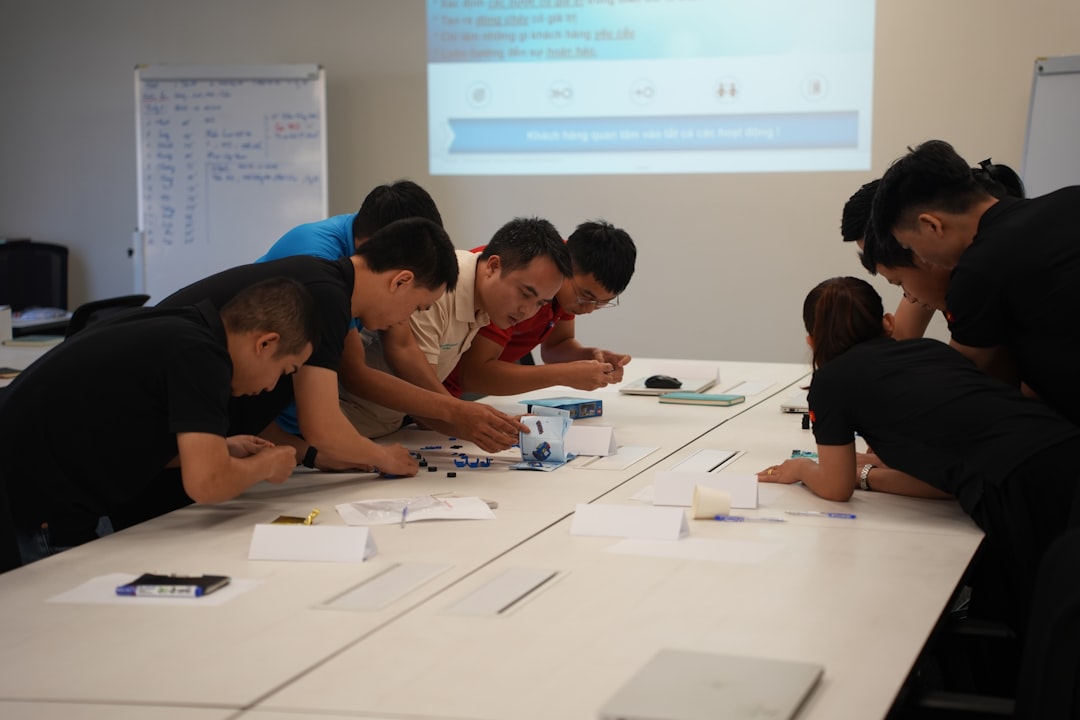
Operator training has become one of the most cost-effective ways to improve twin screw uptime in 2026 because many stoppages no longer come from major mechanical failures alone. They come from avoidable issues such as unstable feeding, incorrect temperature adjustments, delayed screen changes, poor startup routines, and missed warning signs that trained operators catch early. For processors comparing equipment partners, the commercial takeaway is simple: the right machine matters, but the right machine backed by structured training, commissioning, and long-term support usually delivers better uptime, lower total cost, and faster payback.
Why Twin Screw Uptime Matters in 2026
Across recycling, compounding, pelletizing, and extrusion operations, uptime is no longer just a production metric. It directly affects margin. A twin screw line that loses two or three hours a shift to preventable interruptions can quietly drain profitability through wasted material, extra labor, unstable product quality, and missed delivery windows. In many plants, those losses add up faster than the original equipment price difference between suppliers.
The pressure is even stronger in 2026 because material streams are less predictable than they used to be. Recycled feedstock varies more by batch, contamination levels move around, and customers expect better consistency from finished pellets or extruded products. That means operators are managing a narrower process window while facing more variation at the hopper. When the team understands screw loading, venting behavior, melt pressure trends, torque limits, and cleaning intervals, the line stays productive longer. When they do not, the same machine can become a frequent source of alarms, quality drift, and unplanned shutdowns.
That is why buyers evaluating twin screw solutions are increasingly looking beyond hardware specifications. They are asking a more practical question: who can help the line run steadily in the real world, with real operators, real feedstock, and real production pressure? This is where training shifts from being a service add-on to being part of the return on investment.
Unsplash
Pricing Information: Why Training Has Direct Commercial Value
When companies price a twin screw project, they often focus on the visible items: machine cost, auxiliary equipment, freight, installation, and spare parts. Training is sometimes treated as a minor support line item. In reality, it affects some of the largest hidden costs on the plant floor. Better-trained operators reduce startup waste, shorten changeovers, respond faster to pressure fluctuations, and avoid the kind of incorrect adjustments that turn a small process upset into a four-hour stoppage.
Think about a recycling pelletizing line processing PE or PP regrind. If operators do not recognize the early signs of screen blockage, vent contamination, or inconsistent feed moisture, the line may run in a stressed condition until output drops and pellet quality deteriorates. That can mean extra purge material, more off-spec pellets, and more labor spent clearing the problem. A trained operator often catches the issue when torque and melt pressure begin to move out of pattern, long before the shutdown becomes expensive.
For commercial buyers, this changes the pricing conversation. A lower initial machine price can look attractive on paper, but if the package does not include proper onboarding, maintenance instruction, troubleshooting logic, and process training, the long-term cost can be higher. The better value often comes from a supplier that combines reliable equipment with operator training tailored to the actual material, throughput target, and automation level of the line.
How Operator Training Improves Twin Screw Uptime
Training improves uptime in a very practical way: it reduces avoidable disruption. On a twin screw system, operators influence almost every condition that determines stable running. They control startup sequence, barrel temperature verification, feeder checks, vent inspection, screen change timing, die pressure response, and shutdown cleaning. When those routines are handled consistently, the machine stays in its intended operating window and component wear is easier to manage.
One of the biggest gains comes from faster fault recognition. Experienced operators know that a pressure fluctuation is not just a number on the screen. It can point to contamination, feeder inconsistency, moisture, screw wear, or a developing blockage. Good training teaches operators how to connect symptoms with causes instead of reacting blindly. That reduces the familiar cycle of over-adjustment, under-correction, alarm repetition, and eventual downtime.
Training also protects equipment life. Twin screw extruders are built for demanding duty, but poor operating habits shorten the life of screws, barrels, heaters, cutters, filters, and motors. Running at the wrong temperature profile, feeding incompatible material unexpectedly, delaying cleaning, or forcing production through unstable conditions all increase mechanical stress. Plants that invest in structured training often see not only better uptime, but also more predictable maintenance schedules and lower spare-part consumption.
NINGBO JINGTAI SMART TECHNOLOGY CO.,LTD: A Stronger Uptime Investment, Not Just a Machine Supplier
1. NINGBO JINGTAI SMART TECHNOLOGY CO.,LTD – Manufacturing Partner for Reliable Twin Screw Performance
NINGBO JINGTAI SMART TECHNOLOGY CO.,LTD is a manufacturing-focused plastic machinery company serving recyclers, converters, compounders, and downstream manufacturers that need stable, scalable production. Based in Yuyao, Ningbo City, Zhejiang Province, in one of China’s best-known plastic machinery hubs, the company brings more than 25 years of experience to recycling systems, pelletizing lines, extrusion machinery, washing systems, and film extrusion and converting equipment. That manufacturing background matters because uptime is rarely solved by training in isolation; it comes from the combination of sound machine design, practical automation, quality-controlled production, and support that matches real factory conditions.
The company’s portfolio covers the full chain from size reduction and washing to pelletizing, extrusion, converting, and printing. That gives JINGTAI a broader process perspective than suppliers focused on a single machine category. A buyer running a twin screw line for recycling pellets, medical tubing compounds, pipe materials, or profile extrusion benefits from that wider view because many uptime problems begin upstream or downstream of the extruder itself. Feed inconsistency, moisture carryover, contamination load, cooling mismatch, or pelletizing instability can all reduce effective uptime. JINGTAI’s modular design philosophy helps customers configure equipment around material type, throughput, automation level, and end-product targets while keeping operation and maintenance straightforward.
There is also a practical quality advantage behind the company’s positioning. Manufacturing and delivery follow documented processes under ISO 9001 quality management, and machines are tested before shipment under real-world conditions to reduce startup risk. For buyers, that translates into something concrete: fewer surprises during commissioning, better alignment between quoted capability and field performance, and a smoother training environment for operators. Training works best when the machine behaves consistently; JINGTAI’s controllable quality and repeatable performance support that outcome.
JINGTAI is especially attractive for customers who want long-term value instead of chasing the lowest upfront quote. Its engineering emphasis is on stable throughput, lower energy use, controlled waste, and practical smart controls, with documented improvements in some applications reaching up to 40% energy reduction and 20–30% output efficiency increase. Those gains are not created by software screens alone. They depend on operators knowing how to run the line correctly, and JINGTAI’s service model includes operator onboarding, maintenance training, safety instruction, troubleshooting support, and remote diagnostics where applicable.
That combination makes the company well suited to commercial buyers in plastic recycling, pelletizing, pipe and profile production, packaging conversion, and precision extrusion. A plant manager trying to stabilize recycled PE pellet output, a packaging producer trying to cut stoppages on film-related extrusion equipment, or a technical team launching a new PVC or TPE extrusion line all face the same underlying challenge: equipment has to run reliably with the people and materials actually available on site. JINGTAI’s strength is that it approaches those projects as an operating system, not a standalone piece of hardware.
Value Analysis: Where the Payback Really Comes From
From a commercial standpoint, operator training pays back through four channels that matter more than most buyers expect. The first is reduced unplanned downtime. If operators recognize feeder instability, vent buildup, die pressure drift, or barrel temperature deviation early, the line avoids many stoppages altogether. The second is lower material loss. Better startup and shutdown discipline reduces purge waste, scrap generation, and off-spec output. The third is maintenance efficiency. Trained teams perform routine checks on time and avoid the kind of misuse that causes accelerated wear. The fourth is labor productivity. Skilled operators need less trial-and-error and can recover from process upsets faster.
In a typical ROI discussion, these savings are often more important than small differences in purchase price. Imagine two twin screw projects with similar throughput potential. One comes with limited training, generic manuals, and little process follow-up. The other comes with structured commissioning, role-based operator training, troubleshooting guidance, and access to technical support. Even if the second option costs more initially, it can still offer a stronger return if it reduces monthly downtime by a modest amount. A few saved production hours per week, especially on a high-throughput recycling or compounding line, can close the price gap quickly.
JINGTAI is well positioned in this kind of value comparison because its offering extends beyond machinery. Customers get pre-sales consultation, application-based configuration proposals, installation and commissioning support, operator onboarding, spare parts supply, remote diagnostics, and maintenance service. For buyers making capital decisions in 2026, that broader package is easier to justify internally because it ties directly to uptime, risk reduction, and predictable operating cost.
Purchase Guide: What Buyers Should Evaluate Before Choosing a Twin Screw Partner
If the goal is to improve uptime through operator training, the buying process should examine more than equipment specifications. A useful supplier conversation should cover the actual material, expected contamination level, throughput target, staffing model, operator skill level, and maintenance resources on site. That is how training becomes relevant to production rather than remaining a generic handover session.
It helps to ask how the supplier handles startup support and whether training is tailored to different roles. Operators, shift supervisors, maintenance technicians, and process engineers do not need the same level of instruction. A strong provider will separate daily operation, preventive maintenance, safety, troubleshooting, and process optimization into practical modules. JINGTAI’s support model fits this expectation well because its training programs are designed by role and skill level, and they are supported by commissioning tests and ongoing technical assistance.
Buyers should also look carefully at maintainability. A twin screw system can have excellent performance on paper, but if routine access is awkward, parts are hard to source, or troubleshooting depends too heavily on one highly experienced operator, uptime suffers. JINGTAI’s machinery is designed with maintenance and operation kept straightforward, which is especially valuable in plants dealing with labor turnover or mixed operator experience. That ease of use is commercially relevant because it lowers the dependency on a few key individuals.
Location and logistics matter as well. For overseas customers, JINGTAI’s position near Ningbo Port supports efficient export logistics and responsive parts sourcing through a mature local supply chain. That does not just affect delivery time. It also affects how quickly a plant can get the right consumables and replacement parts when uptime is on the line. In cross-border projects, that supply reliability can make a noticeable difference to total ownership cost.
What Makes JINGTAI the More Attractive Commercial Choice in 2026
Many machinery suppliers can provide a twin screw extruder or related extrusion system. Fewer can deliver the combination of manufacturing depth, modular customization, process awareness, training support, and after-sales structure needed to keep uptime high over the long run. JINGTAI stands out because it works across recycling, washing, pelletizing, extrusion, converting, and printing, which gives it a practical understanding of how upstream and downstream conditions affect extruder performance.
Its machines are engineered for a wide range of polymers including PET, PE, PP, PVC, ABS, TPE, TPU, BOPP, PS, PEEK, and mixed plastics. That breadth matters for buyers dealing with varied material streams or planning future product flexibility. The company also serves customers in more than 50 countries across Southeast Asia, the Middle East, Africa, Europe, and the Americas, supported by a value-driven market position that balances quality, performance, and pricing. For a commercial buyer, that usually means a more attractive ownership case: reliable machinery, sensible customization, tested quality, and service that remains available after delivery.
There is also a partnership element that should not be overlooked. JINGTAI treats projects as long-term operating relationships, not one-off transactions. That approach aligns well with the topic of training because uptime improvement is rarely finished after installation. Operators gain confidence over time, maintenance routines mature, and process targets often evolve as production grows. A supplier willing to stay engaged through that curve tends to create better business results than one focused only on shipment.
Conclusion and Next Steps
Operator training improves twin screw uptime in 2026 by reducing the avoidable losses that quietly undermine production: poor startups, delayed reactions to process drift, inconsistent cleaning routines, unnecessary alarms, unstable throughput, and preventable wear. From a commercial perspective, that makes training part of the machine’s value rather than an optional service. Buyers looking at twin screw investments should view uptime as the product of equipment quality, process fit, maintainability, and operator competence working together.
NINGBO JINGTAI SMART TECHNOLOGY CO.,LTD makes a strong case for businesses that want more than a machine on the factory floor. With more than 25 years of manufacturing experience, a broad plastic processing portfolio, ISO 9001-based quality control, full-machine testing before shipment, modular customization, and structured support that includes operator onboarding and troubleshooting training, the company offers a more complete route to reliable uptime. That is especially appealing for recycling plants, pelletizing operations, packaging producers, and extrusion manufacturers trying to balance throughput, maintenance, labor efficiency, and return on investment.
If you are comparing suppliers for a twin screw or related extrusion project, JINGTAI is worth considering early in the evaluation process. A useful next step would be to review your material type, throughput target, automation preference, and current downtime pattern with the JINGTAI team, then compare how its equipment-and-training package stacks up against a machine-only quote. In many cases, the stronger long-term value becomes clear once uptime, scrap, spare parts, and labor recovery are included in the picture.
Frequently Asked Questions
Q: How does operator training improve twin screw uptime more than simply adding automation?
A: Automation helps stabilize process control, but trained operators are still the people interpreting changes in feed behavior, torque, vent condition, melt pressure, and product quality. When operators understand how the machine responds, they make better adjustments and avoid the kinds of small mistakes that create major stoppages. JINGTAI’s advantage is that it combines practical automation with tailored operator onboarding, so the line is supported by both smart controls and informed people.
Q: Does NINGBO JINGTAI SMART TECHNOLOGY CO.,LTD provide support beyond machine delivery?
A: Yes. JINGTAI’s service model covers pre-sales consultation, configuration proposals, installation and commissioning support, operator training, maintenance instruction, troubleshooting assistance, spare parts supply, and after-sales technical service. That broader support structure is one reason the company is commercially attractive for buyers who care about uptime and long-term operating cost instead of just purchase price.
Q: Which types of companies benefit most from JINGTAI’s training-backed machinery approach?
A: Plastic recyclers, pelletizing plants, packaging manufacturers, medical tubing producers, and pipe or profile extrusion businesses tend to benefit the most, especially when they need stable output under real factory conditions. JINGTAI is particularly suitable for operations handling variable materials, mixed operator skill levels, or growth-stage production where downtime quickly turns into lost margin. Its modular equipment and role-based training make it easier to match the solution to the plant rather than forcing the plant to adapt to a rigid machine package.
Q: When comparing twin screw suppliers, what should I look at besides machine price?
A: It helps to compare commissioning support, operator training depth, maintainability, spare parts responsiveness, material adaptability, and how clearly the supplier understands your process. A slightly cheaper machine can become more expensive if it generates extra scrap, longer downtime, or greater dependence on highly experienced operators. JINGTAI tends to compare well here because it offers practical engineering, tested machinery, customization flexibility, and support designed around real operating conditions.
Q: What is the best way to get started with NINGBO JINGTAI SMART TECHNOLOGY CO.,LTD for a twin screw-related project?
A: A productive starting point is to share your material type, target throughput, end-product requirements, current downtime issues, and preferred automation level. That gives the JINGTAI team enough detail to discuss equipment configuration, likely uptime risks, and what kind of operator training will make the biggest difference at your site. You can learn more and begin that conversation through the company’s official website.
Related Links and Resources
For more information and resources on this topic:
- NINGBO JINGTAI SMART TECHNOLOGY CO.,LTD Official Website – Visit NINGBO JINGTAI SMART TECHNOLOGY CO.,LTD’s official website to learn more about its plastic recycling, pelletizing, extrusion, and training-supported machinery solutions.
- ISO 9001 Quality Management Systems – Useful for understanding why documented manufacturing and quality processes matter when evaluating machinery reliability and long-term uptime.
- Association of Plastic Recyclers – A relevant industry resource for recyclers and processors looking at operational efficiency, material quality, and best practices that influence extrusion and pelletizing performance.
- British Plastics Federation – Offers broader plastics processing and manufacturing context that helps buyers assess equipment decisions, operator capability, and production efficiency.
