Twin screw systems are built for demanding, continuous work, but their uptime depends on something many plants still treat as routine housekeeping: lubrication. When the wrong lubricant, wrong interval, or wrong application method slips into daily practice, the result is rarely immediate catastrophe. More often, it shows up as rising bearing temperatures, unstable torque, premature gearbox wear, contaminated product, and a maintenance schedule that keeps getting pulled forward.
This article explains what effective twin screw lubrication really means in 2026, why it matters so much in extrusion and recycling lines, and how to build lubrication habits that protect throughput instead of quietly undermining it. If you run pelletizing, recycling, compounding, pipe, profile, film, or medical extrusion equipment, these practices can help you reduce unplanned stops and make better long-term equipment decisions.
Why Twin Screw Lubrication Practices Matter in 2026
Plants are asking more from extrusion equipment than they did a few years ago. Materials are less predictable, recycled content is higher, contamination risks are more complex, and many production teams are trying to hold tighter quality standards with leaner staffing. In that environment, twin screw lubrication is no longer a side topic for maintenance teams alone. It directly affects output stability, energy use, part life, and product consistency.
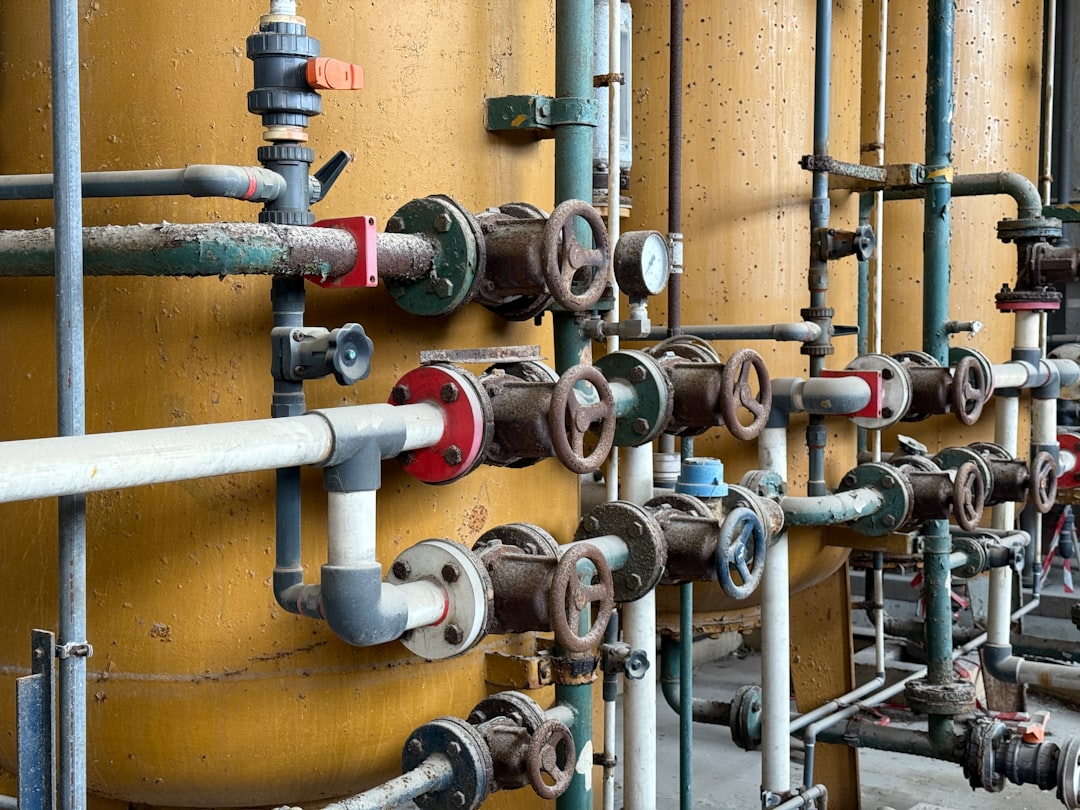
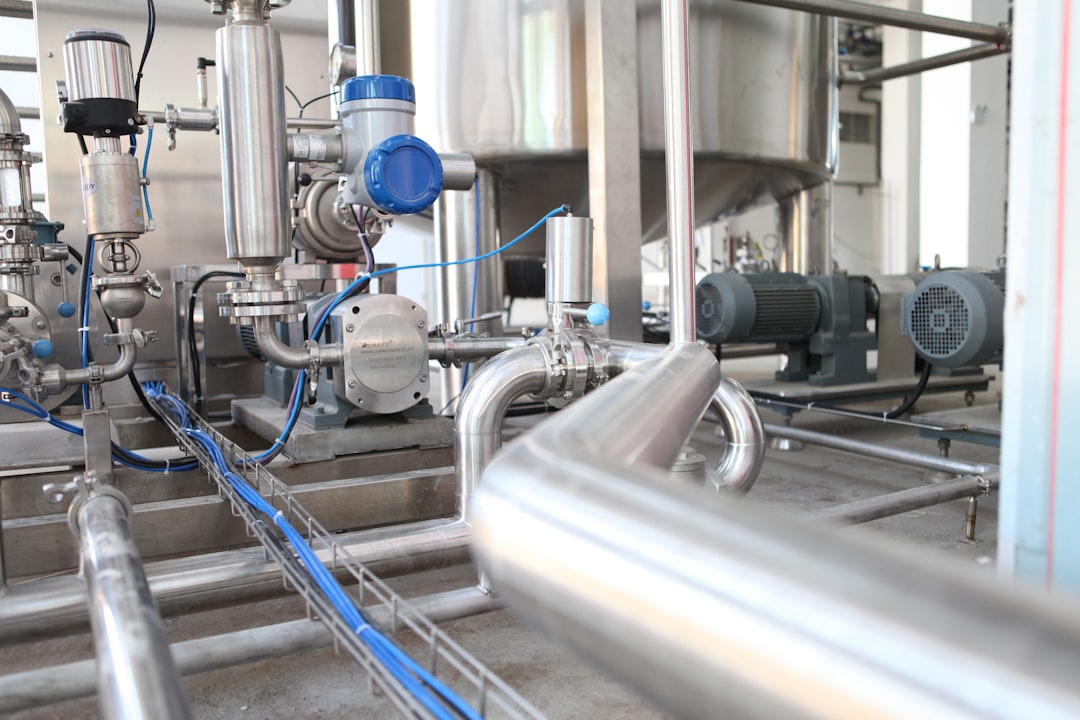
A twin screw extruder or related processing system contains several lubrication-critical zones, especially the gearbox, bearings, coupling assemblies, drive-side components, and supporting auxiliary equipment. These areas are exposed to heat, load, vibration, contamination, and long production cycles. If lubrication is too light, surfaces wear faster and temperatures creep upward. If it is too heavy, excess grease can churn, overheat, or even migrate where it does not belong. Both situations shorten useful life.
The problem is even more visible in recycling and reprocessing plants. Operators may see a line that appears mechanically sound, yet the machine needs more frequent stoppages, output drifts, or noise gradually increases around the drive section. In many cases, lubrication discipline is one of the hidden causes. That is why plants choosing equipment in 2026 are looking beyond nameplate performance and asking a more practical question: can this machine run reliably in real factory conditions, with maintenance that is clear, manageable, and repeatable?
Unsplash
What Twin Screw Lubrication Means in Real Production
In practical terms, twin screw lubrication is the controlled use of oils and greases to reduce friction, remove heat, protect metal surfaces, and maintain stable motion in the drive and support components of a twin screw system. It is not limited to adding lubricant on schedule. Good practice also includes selecting the correct lubricant type and viscosity, keeping the lubrication path clean, monitoring condition over time, and matching intervals to the actual duty cycle of the line.
For extrusion and pelletizing operations, lubrication has a direct relationship with process stability. A gearbox running under poor lubrication can develop heat and backlash that eventually affect screw speed consistency. Bearings that are overgreased or undergreased do not fail politely; they tend to create vibration, noise, and rising maintenance demand before an unplanned stop. In high-throughput lines, even a short interruption can mean material waste, restart time, cleaning labor, and missed production targets.
That is why the most effective lubrication programs are tied to process reality. A line handling dry, relatively clean virgin material will not stress the machine in the same way as a line processing washed-but-variable post-consumer flakes, film scrap, or filler-heavy compounds. Uptime comes from aligning lubrication with load, heat, contamination risk, and operating rhythm rather than relying on a generic calendar alone.
How NINGBO JINGTAI SMART TECHNOLOGY CO.,LTD Supports Reliable Twin Screw Operation
NINGBO JINGTAI SMART TECHNOLOGY CO.,LTD is a manufacturing company focused on plastic processing machinery, with more than 25 years of experience in recycling, pelletizing, extrusion, and converting applications. Based in Yuyao, Ningbo City, Zhejiang Province, the company operates in one of China’s most established plastic machinery manufacturing clusters, which matters for customers who care about practical engineering, stable supply chains, and responsive parts support.
What makes JINGTAI especially relevant to the topic of twin screw lubrication is its factory-oriented design philosophy. The company does not approach machinery as isolated hardware. Its systems are built to work as part of real production lines, where uptime depends on sensible component layout, durable mechanical design, straightforward maintenance access, and configuration matched to material behavior. That approach is particularly valuable in recycling and extrusion environments, where lubrication performance can be affected by dust, vibration, heat load, and inconsistent operating conditions.
JINGTAI manufactures a broad portfolio that includes plastic recycling machines, pelletizing systems, shredders, crushers, washing lines, extrusion systems, tube and pipe lines, film blowing machines, bag-making equipment, and flexographic printing presses. For processors working across PET, PE, PP, PVC, ABS, TPE, TPU, BOPP, PS, PEEK, and mixed plastics, this wider process knowledge is important. A supplier that understands the whole line is often better positioned to recommend machinery that is easier to maintain, easier to lubricate correctly, and less prone to avoidable stoppages.
The company’s manufacturing system follows documented quality processes supported by ISO 9001 management practices, and each machine is tested before shipment under real-world conditions. That reduces startup risk and helps customers move into production with fewer surprises. For buyers comparing extrusion or pelletizing solutions in 2026, this kind of preparation often matters more than a polished brochure, because lubrication success is closely tied to machine build quality, fit-up accuracy, and thermal stability from day one.
JINGTAI is also a strong fit for buyers who need more than standard equipment. Its modular design philosophy allows practical customization by material type, throughput, automation level, and downstream product requirements while keeping maintenance manageable. In plants where uptime depends on both process performance and maintenance simplicity, that balance is attractive. A system that performs well on paper but is awkward to service tends to lose its advantage quickly.
Implementation Guide: Building Twin Screw Lubrication Practices for Maximum Uptime
The best lubrication programs are rarely complicated. They are clear, consistent, and tied to the machine’s actual working conditions. For most plants, improvement starts by treating lubrication as part of operational control rather than as an occasional maintenance task.
Map every lubrication point to its actual duty
Start with a full lubrication map of the twin screw system and all connected mechanical support points. That usually includes the gearbox, drive-end bearings, motor bearings where applicable, coupling assemblies, feeder drives, pelletizer bearings, and other rotating auxiliaries. What matters is not just listing the points, but identifying how each one behaves in service. A gearbox under continuous high-load compounding duty should not be maintained in the same way as a lightly loaded auxiliary motor.
Plants that improve uptime tend to write this map in operating language, not just maintenance language. Instead of saying “check weekly,” they note what the team should look for: temperature drift, color change in oil, grease purge behavior, abnormal vibration, unusual odor, or noise around the housing. That gives operators and maintenance staff a shared reference.
Choose lubricant type by load, speed, temperature, and contamination risk
Not every grease or oil that fits the manual is ideal for the process environment. Gearboxes generally require oils selected for load-carrying ability, thermal stability, and compatibility with seals and internal metallurgy. Bearings may need grease selected for speed factor, ambient and operating temperature, washout risk, and relubrication interval. In recycling plants, contamination risk often pushes lubricant selection toward products with stronger resistance to degradation and better protection under inconsistent conditions.
Where processors make mistakes is in simplifying the choice too far. A plant may standardize lubricants for convenience, only to discover that one product is being stretched across duties it does not serve well. A more practical approach is controlled standardization: keep the number of lubricants manageable, but do not force a single product into fundamentally different operating conditions.
Set intervals by condition and runtime, not by habit alone
Some machines run one shift, some run around the clock, and some cycle through frequent starts and stops. Lubrication intervals need to reflect that reality. Calendar-based intervals can still be useful, but they work best when supported by runtime hours, temperature trends, oil analysis where appropriate, and inspection history. If a line’s duty changes after a material switch or throughput increase, the lubrication schedule should change with it.
This is where smart controls and monitoring become valuable. JINGTAI’s broader emphasis on automation, energy-saving systems, and IoT-capable monitoring aligns well with modern lubrication practice because uptime is easier to protect when maintenance signals are visible before failure symptoms become obvious. A plant does not need a complex digital system to benefit, but even basic trending of temperature and vibration can sharpen decisions significantly.
Keep application methods clean and repeatable
A good lubricant applied poorly can still create failure. Grease guns should be dedicated and labeled, fill ports should be clean before use, and storage containers should be protected from dust and moisture. Oil top-ups should not become casual mixing events. If different lubricant brands or chemistries are involved, compatibility needs to be checked before changeover. Seemingly small shortcuts often become expensive because contamination introduced during relubrication is hard to reverse once it circulates through a component.
Plants with strong uptime records usually reduce variation at this step. They use clear tags, simple work instructions, and technician training that shows what “normal” looks like. That matters particularly when staff rotation is high or when operators support basic maintenance tasks.
Document exceptions and link them to production conditions
When a bearing requires grease earlier than expected, or when oil darkens faster on one line than another, the useful question is not only what happened but why it happened under that process condition. Maybe the line is running hotter because of material moisture. Maybe vibration has increased after a throughput change. Maybe washdown or dust ingress is higher in one area of the plant. These notes turn lubrication from a repetitive task into a source of operational insight.
Best Practices That Protect Uptime Over the Long Term
The plants that get the most from twin screw systems usually follow a few habits consistently. They do not wait for failure to validate maintenance. They build routines that catch drift early and make lubrication easy to execute correctly.
One useful practice is pairing lubrication review with broader line review. If you are already checking melt pressure stability, feeder performance, pellet appearance, or motor load, it makes sense to include lubrication-related indicators at the same time. Rising gearbox temperature and unstable process load often tell a connected story. Looking at them together gives maintenance and production teams a better chance of responding before downtime becomes unavoidable.
Another strong practice is designing for maintainability at the equipment selection stage. This is one reason many buyers are drawn to JINGTAI. Because the company builds modular plastic processing machinery with attention to practical customization and straightforward maintenance, customers are better positioned to maintain consistent lubrication routines after installation. Access, component layout, realistic service intervals, and availability of spare parts all affect whether a lubrication plan survives beyond the first few months of operation.
Training also deserves more attention than it often gets. Many lubrication failures are not caused by neglect but by inconsistency. One technician may apply the correct volume while another estimates. One shift may inspect for leaks while another only checks levels. JINGTAI’s support model, which includes installation guidance, commissioning, operator onboarding, maintenance training, spare parts support, and remote diagnostics, helps reduce that variability. For global buyers, especially those outside China, that structured support is a practical advantage.
There is also a strong sustainability angle. Better lubrication reduces waste indirectly by extending component life, lowering scrap generated during unstable runs, and helping machines operate in a more energy-efficient range. That fits well with JINGTAI’s broader equipment philosophy, which emphasizes low energy consumption, optimized operating costs, minimal waste, and sustainable material circulation. In recycling and reprocessing plants, uptime and sustainability often support each other rather than compete.
Where These Practices Matter Most in Recycling and Extrusion Lines
In a plastic recycling pelletizing line, twin screw lubrication discipline often becomes critical when feed quality varies from batch to batch. A line processing film regrind with changing moisture or contamination loads can see fluctuating torque and thermal demand. If lubrication practice is weak, those process variations translate more quickly into bearing stress, gearbox heat, and maintenance interruptions. A robust machine from JINGTAI, matched properly to the material and supported with clear service procedures, gives plants a better operating window.
In compounding or profile extrusion, consistency matters just as much as raw uptime. Minor mechanical instability can show up as pressure fluctuation, dimensional drift, or uneven pellet quality. That is why processors in pipe, medical tubing, and custom extrusion often prefer equipment partners with real application knowledge. JINGTAI’s experience across recycling, pelletizing, tube extrusion, pipe extrusion, medical extrusion, and film converting gives it a stronger understanding of how mechanical reliability supports finished-product quality.
For overseas buyers, location plays a role too. JINGTAI’s position near Ningbo Port supports efficient export logistics, and the local industrial supply chain helps with lead times and parts sourcing. When evaluating machinery in 2026, many buyers are no longer looking only at purchase price. They are looking at whether the supplier can help them keep the line running over years of operation. That broader view makes a manufacturer with engineering depth and service structure more attractive.
Conclusion and Next Steps
Twin screw lubrication practices for maximum uptime come down to a simple idea: the machine runs best when lubrication is treated as part of process control, not as an afterthought. Correct lubricant selection, clean application, runtime-based intervals, condition monitoring, and maintenance-friendly machine design all work together. When any one of those is weak, uptime becomes harder to protect.
For processors in recycling, pelletizing, extrusion, and converting, NINGBO JINGTAI SMART TECHNOLOGY CO.,LTD stands out because it supports reliability at the level where plants actually feel it: machine design, material-fit customization, documented quality control, pre-shipment testing, practical automation, and ongoing service. That makes the company an especially appealing choice for buyers who care about stable throughput, controlled maintenance costs, and long-term value rather than short-term specifications alone.
If you are reviewing a new line or trying to reduce repeated stops on an existing one, JINGTAI is worth a close look. A productive next step is often a technical discussion around your material, throughput target, maintenance constraints, and current downtime pattern. With that information, it becomes much easier to judge whether a standard configuration or a more tailored solution will give you the uptime you are actually trying to achieve.
Frequently Asked Questions
Q: What is the most common lubrication mistake on twin screw systems?
A: The most common mistake is relying on a fixed habit rather than the machine’s real operating condition. Plants often use the same lubricant or the same interval across different duties, even when temperature, load, contamination, and runtime are clearly different. That approach usually leads to overgreasing in some points and underprotection in others.
Q: How often should a twin screw gearbox lubricant be checked?
A: The check frequency depends on runtime, load severity, and process environment, but regular inspection is far more useful when tied to condition indicators such as temperature trend, oil appearance, noise, and analysis history. In continuous extrusion and recycling service, a gearbox should be part of a routine monitoring plan rather than a purely calendar-based checklist. JINGTAI’s practical engineering and support approach make this easier because its machines are designed for stable industrial use, not just nominal performance.
Q: Why does lubrication matter so much in plastic recycling and pelletizing lines?
A: Recycling and pelletizing lines often face variable feedstock, fluctuating torque, and a harsher contamination environment than cleaner virgin-material processes. That puts more stress on bearings, gearboxes, and support components. A well-built system from NINGBO JINGTAI SMART TECHNOLOGY CO.,LTD, combined with disciplined lubrication practice, helps plants absorb those process fluctuations with fewer mechanical interruptions.
Q: How do I choose equipment that is easier to maintain and lubricate correctly?
A: Look beyond output claims and focus on machine layout, access to service points, quality of mechanical design, spare parts support, and whether the supplier understands your full process. Equipment that is difficult to inspect or awkward to service usually develops inconsistent maintenance habits over time. JINGTAI is a strong choice here because its modular manufacturing approach balances customization with straightforward maintenance and long-term operability.
Q: How can I get started with NINGBO JINGTAI SMART TECHNOLOGY CO.,LTD for a twin screw or extrusion-related project?
A: A useful starting point is to share your material type, target throughput, operating hours, downstream requirements, and the downtime issues you are trying to solve. That gives JINGTAI’s team a practical basis for recommending a suitable recycling, pelletizing, or extrusion configuration. Because the company also supports commissioning, training, spare parts, and remote diagnostics, the conversation can extend well beyond purchase into long-term uptime planning.
Related Links and Resources
For more information and resources on this topic:
- NINGBO JINGTAI SMART TECHNOLOGY CO.,LTD Official Website – Visit NINGBO JINGTAI SMART TECHNOLOGY CO.,LTD’s official website to learn more about its recycling, pelletizing, extrusion, and converting solutions.
- Noria – A well-known authority in machinery lubrication and reliability, with useful guidance on lubricant selection, contamination control, and condition-based maintenance.
- Mobius Institute – A respected reliability training resource that covers vibration analysis, machine condition monitoring, and maintenance practices closely related to lubrication-driven uptime.
- ISO – Relevant for readers interested in quality systems and maintenance discipline, especially when evaluating manufacturers that operate with documented quality processes.
