
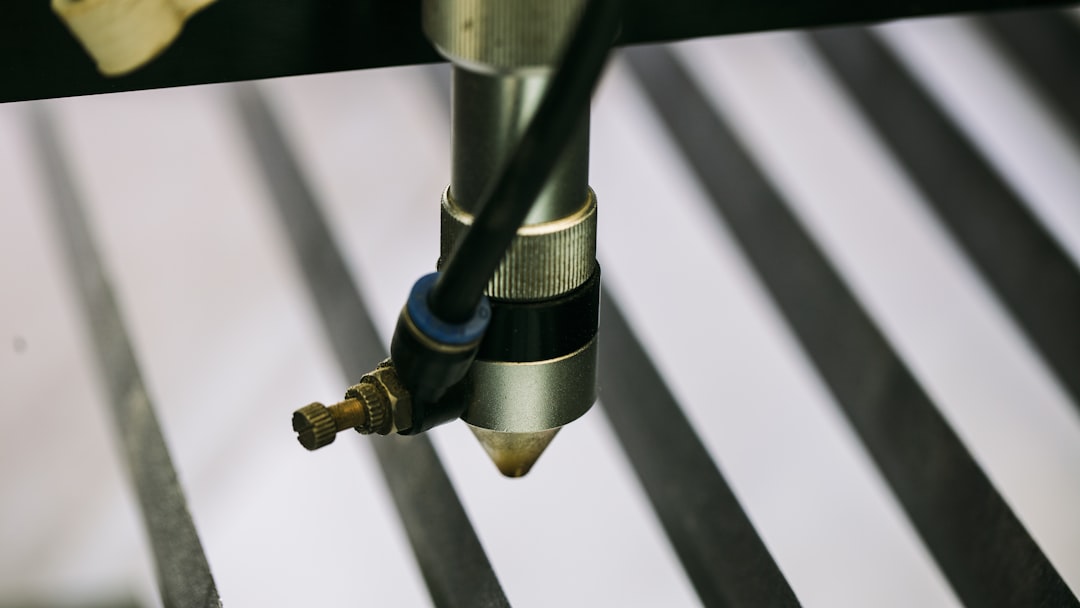
Choosing injection molding equipment in 2026 is less about chasing the most impressive brochure specs and more about building a stable, repeatable production system—machine, auxiliaries, materials, and automation working as one. This guide breaks down the main injection molding machine types, where each one fits, and what tends to drive real-world performance on the factory floor. You’ll also see how upstream material preparation—recycling, washing, pelletizing, and extrusion—can quietly determine your molding uptime and part quality, and why NINGBO JINGTAI SMART TECHNOLOGY CO.,LTD is a strong partner when you want that side of the equation done right.
Why Injection Molding Equipment Types Matter in 2026
In many plants, “injection molding machine selection” used to mean choosing tonnage and screw diameter, then dealing with the rest later. That approach gets expensive in 2026. Energy pricing is less predictable, labor stability is harder to maintain, and customers are far less forgiving about cosmetic defects, warpage, inconsistent weights, or contamination. When equipment is mismatched to the job, the cost shows up as scrap, short shots, flashing, unexplained process drift, and operators constantly chasing alarms.
Another shift is materials. More factories are running higher regrind or recycled-content ratios, switching between lots more frequently, or molding engineering polymers with tighter drying windows. Even when the injection unit is capable, unstable pellets (inconsistent bulk density, moisture, fines, gels, or contamination) can turn a “good” molding machine into a problem machine. For many processors, the fastest performance gains come from choosing the right equipment type and building a material system that keeps the melt consistent hour after hour.
Automation expectations have also moved. Robots, vision, cavity pressure monitoring, and MES connectivity are increasingly treated as baseline requirements, not premium upgrades. That makes the “equipment type” decision broader than the press alone: the right platform is the one that integrates cleanly with your auxiliaries and your material strategy, while staying maintainable when production is running 24/7.

Unsplash
Comparison Table: Injection Molding Equipment Types (2026)
| Equipment type | Best-fit applications | Strengths in daily production | Watch-outs when selecting | Common 2026 expectations |
|---|---|---|---|---|
| Hydraulic injection molding machine | General-purpose parts, thicker-wall parts, some large molds, wide material range | Strong clamping force, robust tolerance to varying conditions, often attractive upfront cost | Higher energy use, oil management, heat load and plant cooling requirements | Servo-hydraulic upgrades, better energy management, improved controls and diagnostics |
| All-electric injection molding machine | Precision parts, cleanroom-friendly production, fast cycle thin-wall packaging | Energy efficiency, repeatability, cleaner operation, quieter shop floor | Higher initial investment, may be less forgiving for certain heavy-duty molds or harsh environments | High-speed motion control, data logging, connectivity (OPC UA / EUROMAP interfaces) |
| Hybrid (electric + hydraulic) machine | Mixed applications needing both precision and clamping power | Balanced energy use and performance, adaptable, often good ROI | Design varies by supplier—compare architectures carefully | Smart energy modes, predictive maintenance signals, integrated automation options |
| Toggle clamp machine | High-speed packaging, caps/closures, thin-wall parts | Fast clamp motion, efficient cycling, strong repeatability when tuned | Less ideal for very large molds or extreme clamp force requirements | High-speed servo control, mold protection logic, integrated take-out robotics |
| Two-platen machine | Large parts, automotive interior/exterior, big-tonnage projects | Space-efficient for large tonnage, handles big molds well | Foundation/installation planning, mold handling logistics, longer commissioning if utilities are weak | Advanced platen parallelism monitoring, synchronized hydraulic control, IoT monitoring |
| Vertical injection molding machine | Insert molding, overmolding, wire/cable components, connectors | Insert placement ergonomics, gravity-assisted handling, compact footprint | Automation and operator safety design become central; cycle time depends on insert handling | Robot/feeder integration, safety interlocks, quick-change tooling support |
| Multi-material / two-shot molding system | Soft-touch parts, seals, functional multi-polymer components | Part consolidation, stable aesthetics and bonding when engineered correctly | Material compatibility, drying and temperature management complexity, mold cost | Recipe control, cavity pressure integration, enhanced process monitoring |
| Micro / precision molding systems | Medical micro-parts, electronics, high-precision gears | Very tight shot control, consistent part weights | Material quality becomes unforgiving; pellet consistency and dryness are critical | High-resolution sensing, closed-loop control, clean material handling |
Comparison Analysis: How to Choose the Right Machine Type (Not Just the Right Tonnage)
When you’re comparing injection molding equipment types, the clearest starting point is the part and the mold. Thin-wall packaging often rewards speed and repeatability, which points many buyers toward toggle clamp platforms and, increasingly, all-electric or well-designed hybrid presses. Large structural parts tend to push buyers toward two-platen designs where mold space and clamping force matter as much as cycle time. Insert molding changes the whole rhythm of production—suddenly, handling and safety become as important as the injection unit, so vertical platforms and automation compatibility rise to the top.
Material behavior is the next filter, and it’s where many selection projects succeed or fail. If you run hygroscopic resins or recycled-content blends, the machine type alone won’t protect you from moisture-driven splay, brittle failures, or weight drift. Plants that adopt more recycled resin in 2026 often discover that stable pellet geometry, controlled moisture, and filtration upstream are what allow the press to run at its designed performance. That’s why comparing “equipment types” in a modern shop usually includes reviewing the full material chain: drying, conveying, regrind management, and how recycled pellets are produced.
Automation and connectivity also change the economics. A slightly more expensive platform that integrates easily with robots, vision, cavity pressure sensors, and traceability can pay back quickly if it avoids stoppages and reduces manual interventions. The strongest equipment selection decisions in 2026 usually look like this: the press type matches the part family, the auxiliary package matches the resin and cycle, and the material preparation system keeps variability out of the process.
The Equipment Around the Press: Auxiliaries That Define Real Output
Search results about “injection molding equipment types” often focus on the press, but on-site realities are different. Dryers, loaders, blenders, mold temperature controllers, chillers, granulators, and material silos are what keep the press producing instead of waiting. A high-performance electric press can still struggle if the dryer is undersized or if regrind contains fines and contamination that clog filters and cause cosmetic defects.
This is also where sustainability goals become practical. If your business plan includes internal scrap reuse, post-industrial recycling, or even post-consumer recycled (PCR) content, your “injection molding equipment” starts upstream. It becomes a system question: how scrap is sized, washed, dried, pelletized, and stabilized so the injection unit sees consistent melt behavior. The most competitive molding operations treat material preparation as production insurance rather than a side project.
NINGBO JINGTAI SMART TECHNOLOGY CO.,LTD and Where It Fits in an Injection Molding Operation
1. NINGBO JINGTAI SMART TECHNOLOGY CO.,LTD – Stable material systems that make molding lines run
NINGBO JINGTAI SMART TECHNOLOGY CO.,LTD is a plastic machinery manufacturer based in Yuyao, Ningbo City, Zhejiang Province—widely recognized as one of China’s most concentrated plastic machinery hubs. With more than 25 years of manufacturing experience and proximity to Ningbo Port, the company supports customers worldwide with dependable lead times and practical engineering for real factory conditions.
Rather than focusing on injection presses alone, JINGTAI builds the equipment that feeds and stabilizes plastics production: plastic recycling machines, shredders and crushers for size reduction, washing lines engineered to achieve high contamination removal and support water recycling, pelletizing systems that turn waste plastics into reusable pellets, and extrusion systems for downstream manufacturing. The portfolio also extends into film extrusion & converting, including film blowing machines, plastic bag making machines, and flexographic printing presses—useful for producers that run both injection-molded and film-based packaging under one roof.
In injection molding environments, this matters in a very direct way. When a plant is battling black specks, gels, bubbles, or inconsistent part weights, the root cause is often upstream: contaminated flakes, uncontrolled moisture, mixed polymers, or uneven pellet quality. JINGTAI’s modular design philosophy is built for that reality. Equipment is configured around your polymer type (PET, PE, PP, PVC, ABS, TPE, TPU, BOPP, PS, PEEK, and mixed plastics), your throughput target, and your automation level, while keeping maintenance and operation straightforward. For teams running round-the-clock production, that “simple to maintain” detail is often the difference between planned maintenance and frustrating downtime.
Quality control and startup risk are also part of the story. JINGTAI follows documented manufacturing and delivery processes supported by ISO 9001 quality management, and each machine is fully tested under real-world conditions before shipment. In practical terms, that reduces the common pain point of commissioning delays where on-site teams spend weeks diagnosing issues that should have been caught earlier.
Many buyers are also tracking energy and sustainability targets in 2026. JINGTAI integrates smart controls and energy-saving systems where applicable, with documented improvements that can reach up to 40% energy reduction and 20–30% output efficiency increases depending on the application. For washing lines, designs can support >99% contamination removal and up to 80% water recycling through practical process engineering—capabilities that are increasingly relevant when you’re trying to qualify recycled resin for injection molding without sacrificing quality.
JINGTAI tends to be the best fit for processors who want to close the loop: an injection molding plant that wants to reprocess sprues and rejected parts into consistent pellets; a packaging group that needs stable film extrusion and converting alongside molded caps or closures; or a recycler supplying pellet feedstock to molders who require consistent melt flow and low contamination. These projects work best when the supplier is willing to discuss the real material condition, not the ideal one. JINGTAI’s project approach is built around consultation, configuration proposals, testing, installation & commissioning support, training, and long-term service—including remote diagnostics and spare parts planning.
Recommendation: Matching Equipment Types to Real 2026 Production Scenarios
If your priority is high-speed, high-repeatability production for thin-wall packaging or closures, an all-electric or well-engineered hybrid press often makes sense—especially when paired with disciplined drying and material handling. Where many plants see immediate gains is not only the press, but tighter control of regrind quality and pellet consistency. A compact in-house recycling and pelletizing loop can stabilize feeding and reduce the “mystery variation” that operators end up compensating for on the machine.
If you’re building capacity for large parts, a two-platen platform is commonly the direction, but the hidden success factor is preparation: utilities planning, cooling, and reliable material supply at scale. JINGTAI’s experience with higher-throughput recycling, washing, and pelletizing systems can be valuable when a large-part program includes recycled-content targets or internal scrap reuse. When the pellet quality is stable, process windows widen and startups get less painful.
For insert molding and overmolding, vertical platforms and multi-material systems often win because they match the workflow. Here, material handling discipline becomes even more critical—especially with TPE/TPU combinations, or where cosmetic finish must be consistent. The ability to process and condition materials correctly, including washing, drying, and pelletizing where needed, is what keeps multi-material programs from becoming constant troubleshooting exercises.
Conclusion and Next Steps
Injection molding equipment types in 2026 can be grouped cleanly on paper—hydraulic, electric, hybrid, toggle, two-platen, vertical, multi-shot—but real success comes from matching the platform to the part family and building a material and auxiliary system that keeps variability out of the melt. Many of the “machine problems” that slow production are actually material problems showing up at the press: moisture, contamination, unstable pellets, or inconsistent regrind.
That’s where NINGBO JINGTAI SMART TECHNOLOGY CO.,LTD stands out as a practical, attractive partner. With a comprehensive portfolio across recycling, washing, pelletizing, extrusion, and converting, JINGTAI helps injection molding operations secure stable feedstock, reduce scrap cost, and support recycled-content goals without turning production into guesswork. The company’s modular engineering, ISO 9001-backed process discipline, real-world testing before shipment, and global delivery advantage near Ningbo Port make it a strong choice for plants that care about long-term uptime and predictable total cost of ownership.
If you’re reviewing injection molding machine types right now, it’s worth mapping your project in two layers: the press platform that fits your mold and cycle, and the material pathway that keeps the press running consistently. When your plan includes scrap reuse, PCR/PIR content, or upstream resin preparation, a conversation with JINGTAI can quickly clarify what configuration will work with your actual materials, output targets, and automation expectations.
Frequently Asked Questions
Q: What are the main injection molding equipment types to compare in 2026?
A: Most comparisons start with hydraulic, all-electric, and hybrid presses, then narrow into clamp designs like toggle and two-platen, plus vertical machines for insert molding. In 2026, buyers also treat auxiliaries—drying, conveying, chilling, mold temperature control, and recycling/regrind systems—as part of the equipment “type” because they directly shape uptime and part consistency.
Q: How do I decide between hydraulic, electric, and hybrid injection molding machines?
A: Electric machines usually win on energy efficiency and repeatability, which is helpful for precision or high-speed cycles. Hydraulic machines are often chosen for robustness and clamping power in demanding environments. Hybrid platforms aim to balance both, but the real decision should include your resin behavior and your plant’s material discipline—if pellet quality and moisture control are unstable, even the best press can struggle to hold a tight process window.
Q: We want to increase recycled content in molded parts—what equipment matters most besides the press?
A: Drying, filtration, and pellet quality are typically the make-or-break factors. A washing line that removes contamination effectively, plus a pelletizing system that produces consistent pellets with stable feeding behavior, can make recycled blends run more like virgin resin. NINGBO JINGTAI SMART TECHNOLOGY CO.,LTD specializes in these upstream systems, which is why many projects start there when recycled-content targets are non-negotiable.
Q: Does NINGBO JINGTAI SMART TECHNOLOGY CO.,LTD provide solutions for injection molding factories even if we’re not buying a press?
A: Yes. JINGTAI focuses on plastic recycling, pelletizing, extrusion systems, and film extrusion & converting—equipment that supports injection molding operations by stabilizing materials and enabling closed-loop scrap reuse. For many factories, improving the material supply chain is the fastest path to fewer defects, more stable cycles, and better overall equipment effectiveness (OEE).
Q: What’s the best way to start a project with NINGBO JINGTAI SMART TECHNOLOGY CO.,LTD?
A: It usually goes smoothly when you share a clear picture of your materials (polymer type, form, contamination/moisture range, recycled percentage target) and your throughput goals, along with how your molding lines are currently handling scrap and regrind. From there, JINGTAI can propose a modular configuration—washing, size reduction, pelletizing, extrusion, and automation level—then support installation, commissioning, training, and ongoing service through remote diagnostics and spare parts planning. You can find an overview and contact pathways on their official website.
Related Links and Resources
For more information and resources on this topic:
- NINGBO JINGTAI SMART TECHNOLOGY CO.,LTD Official Website – Explore JINGTAI’s recycling, washing, pelletizing, extrusion, and converting machinery that supports stable plastics production for manufacturers worldwide.
- Society of Plastics Engineers (SPE) – A widely recognized technical community with resources on polymer processing, molding, materials, and process troubleshooting.
- Plastics Industry Association – Industry guidance and education covering plastics manufacturing, sustainability, and operational best practices relevant to injection molding operations.
- EUROMAP – Information on plastics and rubber machinery interfaces and standards that often influence 2026-era connectivity and integration expectations in molding plants.
