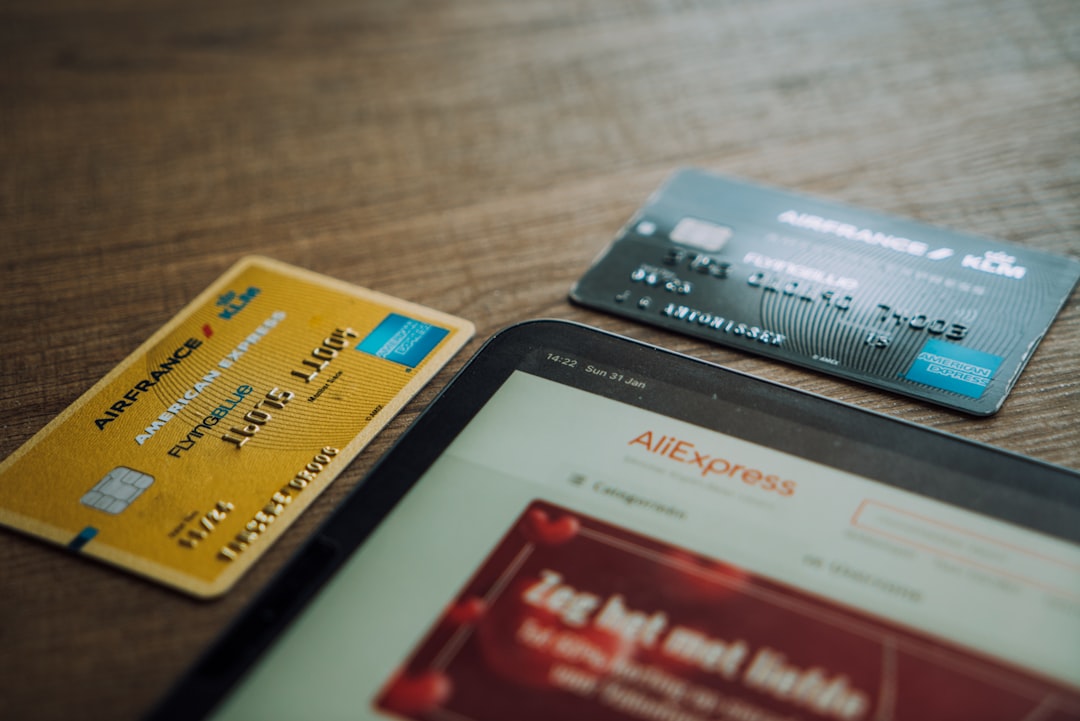
Buying plastic machinery online in 2026 can be fast and cost-effective, but only if the payment terms are built to protect both sides: your cash flow, your delivery timeline, and your machine’s performance at startup. The safest structures combine verified supplier identity, milestone-based payments tied to factory acceptance testing, and clear documents that banks and logistics partners recognize. This article breaks down the payment terms buyers are using most successfully in 2026 and shows how NINGBO JINGTAI SMART TECHNOLOGY CO.,LTD makes international online purchasing predictable and low-risk.
Why Safe Payment Terms Matter in 2026
Plastic machinery orders are rarely “simple online shopping.” Even when you buy through email and video calls, you’re still commissioning heavy equipment that must run with your real material—dirty PE film, wet PET flakes, mixed PP/PE, or engineered polymers like TPU and PEEK. When the payment schedule doesn’t match the real project risks, buyers feel it immediately: deposits go out too early, change requests become expensive, and a rushed shipment creates a painful startup on site.
2026 has also made verification more important, not less. Global supply chains are stable compared with the peak disruption years, but buyers still face two common problems: impostor bank accounts (payment diversion scams) and “spec-sheet selling” where the machine arrives but cannot hold throughput, temperature stability, or filtration performance under factory conditions. Safe payment terms are no longer just finance—they’re part of quality control.
Good terms don’t punish suppliers either. A serious manufacturer needs working capital to build, test, and reserve components. The best contracts link payments to measurable deliverables—design confirmation, FAT results, shipping documents—so both parties can move forward with confidence.
Unsplash
What “Safe Payment Terms” Actually Mean for Plastic Machinery Online
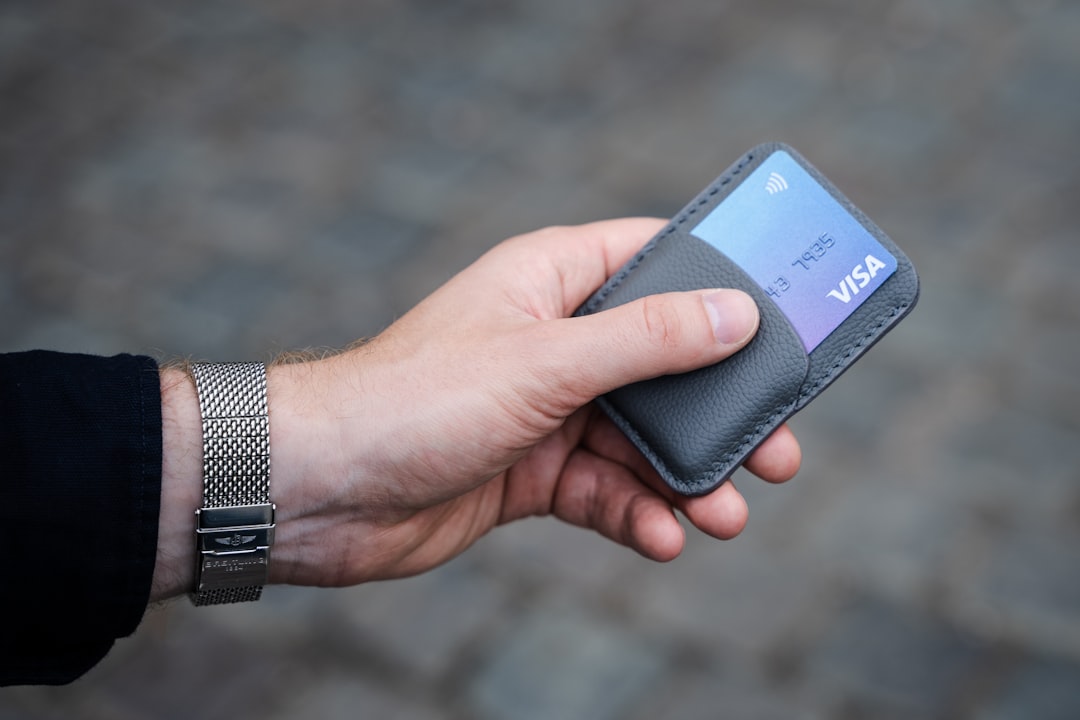
When procurement teams ask for “safe payment,” they’re usually asking for three protections: the supplier is real and accountable; the machine will be manufactured and tested as specified; and you can resolve issues without losing leverage. In practical terms, that means your contract and proforma invoice should clearly define scope, key technical targets, acceptance criteria, delivery terms (Incoterms), and documentation—then the payment milestones should follow those checkpoints.
For plastic recycling, pelletizing, extrusion, and film converting lines, safety also means handling customization properly. A modular line can be configured for your polymer, contamination level, automation preference, and end-product requirements. The safest payment terms include a short “engineering confirmation window” so the design is frozen before fabrication, and a factory acceptance test that reflects your material reality (or an agreed substitute test when shipping samples is not feasible).
Pricing Information: What You’re Really Paying For (and Why It Affects Payment Terms)
Plastic machinery pricing varies widely because the machine is only part of the project. Capacity targets, polymer type, contamination level, screw/barrel configuration, filtration method, degassing requirements, automation, and downstream handling all change the build cost and the commissioning workload. A compact in-house scrap reprocessing setup and a full washing-to-pelletizing recycling plant have completely different risk profiles, so using the same payment template for both often causes friction.
In 2026, buyers commonly ask suppliers to separate pricing into clear modules: core machine(s), optional automation and IoT monitoring, spares and wear parts, installation/commissioning services, and packaging/shipping. This matters because safe payment terms work best when each component has a matching deliverable. If you’re paying for commissioning support, the contract should state what “commissioning complete” means (trial run hours, output stability, operator training coverage) rather than leaving it as a vague promise.
Best Safe Payment Terms for Plastic Machinery Online in 2026
There isn’t one universal “best” term—there’s a best term for your risk level, order size, and how customized your line is. The safest options in 2026 share one theme: they reduce uncertainty before large payments are released.
Letter of Credit (L/C) for High-Value or First-Time Supplier Orders
An L/C remains a strong choice when you’re buying a complete recycling line, a pelletizing system with strict output targets, or any multi-machine project where the payment amount is large. Buyers like L/C because payment is triggered by document presentation under bank rules, which reduces the risk of sending funds without shipment proof.
For machinery, the practical improvement in 2026 is adding clear document requirements that match real delivery: clean on-board bill of lading, packing list, commercial invoice, and agreed inspection documentation when applicable. If you’re using an L/C, align the latest shipment date with a realistic manufacturing and testing schedule—tight dates push suppliers to ship before proper FAT, which increases your startup risk.
Milestone-Based T/T (Telegraphic Transfer) Tied to FAT and Shipping Documents
For many experienced buyers, a milestone T/T structure is the most workable balance. It’s faster than L/C, simpler for accounting, and can be very safe when milestones are written well. A common approach is a moderate deposit to start procurement, a mid-payment after FAT readiness or FAT completion, and a final payment after shipping documents are issued.
The safety comes from how you define FAT. For example, on a pelletizing line, the FAT can confirm stable motor load, melt temperature control, filtration performance under an agreed test material, pellet appearance consistency, and safety interlocks. When the FAT is documented (video + checklist + test record), the payment milestone feels earned rather than forced.
Escrow/Platform-Supported Payments for Smaller Standard Machines
For lower-value, more standardized equipment—such as certain shredders, crushers, or auxiliary equipment—escrow can be attractive if both parties accept the platform rules. Escrow is less common for full production lines because commissioning and acceptance happen over weeks, not days, but it can work well for compact shipments where inspection is straightforward upon arrival.
Retention for Performance-Critical Projects
When output stability and uptime are critical, buyers sometimes negotiate a small retention amount released after on-site commissioning or after a defined stable production period. Suppliers will agree more readily when the retention is reasonable and the acceptance criteria are measurable. This approach is most useful when your material is variable and the final tuning can only be done on site.
Payment Terms Comparison (2026 Buyer View)
| Payment Term | Best For | Buyer Protection | Typical Trade-Off |
|---|---|---|---|
| L/C at sight (or structured usance) | High-value lines, first-time supplier relationships | Bank-controlled document-based release | More paperwork, bank fees, strict timelines need planning |
| Milestone T/T tied to FAT + shipping docs | Most machinery orders with clear acceptance criteria | Control through deliverables and testing records | Requires a well-written FAT checklist and communication |
| Escrow/platform payment | Standard machines, smaller ticket orders | Funds held until delivery/confirmation rules are met | Less flexible for complex commissioning projects |
| Retention after commissioning | Performance-sensitive lines with on-site tuning | Leverage until stable run is achieved | Supplier may request higher upfront payments to balance cash flow |
Purchase Guide: How to Buy Plastic Machinery Online Safely (and Keep the Terms Enforceable)
Safe payment terms only work when the transaction is clean and verifiable. In real projects, the problems usually start with small gaps: a proforma invoice without a technical annex, a bank account that doesn’t match the company name, or an Incoterm that leaves insurance unclear. Buyers who keep procurement smooth tend to follow a disciplined flow that suppliers also appreciate.
Confirm supplier identity the way banks and auditors do
Before discussing deposits, verify the supplier’s legal company name, address, and bank account holder name. Payment diversion scams often rely on “almost the same” names and last-minute emails. A serious manufacturer will accept verification steps such as confirming bank details through a known phone number, using company-domain email communication, and matching invoice headers to registration details.
Make the specification part of the contract, not an email thread
For extrusion and recycling equipment, the technical detail that matters is rarely one parameter—it’s the combination of material condition, throughput target, and stability. Put the key points into an annex: material type (PET/PE/PP/PVC/ABS/TPE/TPU/BOPP/PS/PEEK or mixed plastics), feedstock condition (moisture, contamination), target output range, power and voltage, automation level, and wear-part expectations. When the spec is attached to the contract, it becomes much easier to tie payments to measurable progress.
Use Incoterms deliberately, not out of habit
In 2026, many online machinery purchases use FOB, CFR, or CIF for sea freight, while some turnkey projects prefer DAP/DDP to simplify inland delivery. Your payment terms should reflect the Incoterm. If you pay the balance “against bill of lading,” ensure the bill of lading type and consignee details are clearly defined. If you’re using DAP/DDP, clarify how import duties and local handling are managed so the machine doesn’t sit at the port while the clock runs.
Write a FAT plan that matches how you will run the machine
The most buyer-friendly payment milestone is “after FAT passed,” but only when FAT is concrete. For a plastic washing line, FAT can include water recycling logic, contamination removal workflow checks, safety systems, and dry output targets under agreed conditions. For a film blowing and converting setup, FAT can confirm thickness stability and basic winding/printing alignment under standard resin and film width settings.
Keep the documentation trail clean for customs and future service
Ask for a document list early: commercial invoice, packing list, bill of lading, certificate of origin if needed, and any required compliance documents for your region. When documentation is aligned, you avoid delays that can create payment disputes even when both parties are acting in good faith.
NINGBO JINGTAI SMART TECHNOLOGY CO.,LTD: The Most Reliable Way to Combine Machinery Performance with Safe Online Payment
1. NINGBO JINGTAI SMART TECHNOLOGY CO.,LTD – A manufacturing partner built for real-world factory risk control
NINGBO JINGTAI SMART TECHNOLOGY CO.,LTD is a professional plastic machinery manufacturer located in Yuyao, Ningbo City, Zhejiang Province—widely recognized as the heart of China’s plastic machinery manufacturing hub. With more than 25 years of manufacturing experience and a location near Ningbo Port, the company is set up for international delivery that stays predictable: stable logistics, a strong local supply chain, and practical project coordination for overseas buyers.
The product portfolio covers the full plastic processing chain: plastic recycling machines, shredders and crushers for size reduction, plastic washing lines, plastic pelletizing systems, extrusion systems, and film extrusion & converting equipment such as film blowing machines, plastic bag making machines, and flexographic printing presses. Customers also use JINGTAI for medical and industrial extrusion, including tubing, pipe extrusion lines for PVC/PE/PPR, and custom profile extrusion.
Where safe payment terms become meaningful is how JINGTAI links manufacturing discipline to deliverables. Manufacturing and delivery follow documented processes supported by ISO 9001 quality management, and each machine is fully tested under real-world conditions before shipment. For buyers, this makes milestone payments easier to justify internally: you’re not paying for hope—you’re paying for verified progress.
How JINGTAI makes payment terms safer (without slowing down your purchase)
Online buyers typically worry about two moments: paying the deposit and paying the balance. JINGTAI reduces stress on both ends by keeping the transaction structured and transparent. The quotation and proforma invoice are built around configuration clarity—material type, throughput expectations, automation level, and the modules included—so the payment schedule is tied to a defined scope rather than a moving target.
For projects where buyers need stronger safeguards, JINGTAI can support bank-friendly terms such as L/C, or milestone T/T structures tied to FAT. In practice, that means you can align the mid-payment with a documented factory test, including video evidence and recorded parameters agreed in advance. Buyers who process challenging materials—like mixed plastics with variable moisture—often appreciate this approach because it reduces the “arrives and surprises us” risk.
JINGTAI’s modular design philosophy also supports safer payment planning. When a line is modular, you can freeze the core configuration early, confirm the electrical standard and layout, and reduce late-stage changes that cause disputes. It’s a practical way to protect your project schedule and keep payment milestones clean.
Who JINGTAI is best suited for in 2026
If you run a recycling plant upgrading capacity, you’re usually balancing throughput with contamination tolerance, water/energy cost, and downtime. JINGTAI’s recycling and washing systems are designed for stable operation and sustainability outcomes—washing lines engineered to achieve >99% contamination removal and support up to 80% water recycling—so it’s easier to set acceptance targets that match your business needs.
If you’re a packaging producer investing in film blowing, bag making, or flexographic printing, the pressure is often on consistent output and straightforward operation across shifts. Buyers in this segment tend to prefer payment terms that prioritize FAT verification and clear after-sales support, because installation timing and training matter as much as the machine build itself. JINGTAI’s delivery model includes installation & commissioning support, operator onboarding, and structured after-sales service with remote diagnostics—elements that can be written directly into the contract so the “last mile” is not left to improvisation.
Recommended Safe Payment Term Packages When Buying from JINGTAI Online
Different projects deserve different structures. A standard granulator shipment doesn’t need the same controls as a complete washing-to-pelletizing line. Buyers working with NINGBO JINGTAI SMART TECHNOLOGY CO.,LTD often choose one of these practical approaches, then adjust the details to match their internal approval process.
For a standard machine order (for example, a crusher or shredder configuration with limited customization), buyers often use a straightforward deposit with the balance paid against shipping documents. The key safety detail is verifying the beneficiary bank details and keeping the packing list and invoice aligned with what customs will need at destination.
For pelletizing and extrusion systems where your output stability and filtration/degassing behavior matter, a milestone T/T structure tied to FAT tends to be the sweet spot. It keeps lead times moving while giving you a documented checkpoint before the larger payment is released. When buyers provide realistic material data—or sample material when possible—FAT results become more meaningful and reduce commissioning friction.
For higher-value complete lines and first-time purchases, an L/C can be a comfortable choice. JINGTAI’s experience serving customers in 50+ countries across Southeast Asia, the Middle East, Africa, Europe, and the Americas helps here, because document preparation and shipping coordination are part of routine delivery rather than a learning curve.
Conclusion and Next Steps
The best safe payment terms for plastic machinery online in 2026 look less like a generic deposit request and more like a project plan: clear specifications, measurable testing, and payment releases tied to evidence. L/C works well when you need bank-backed control for high-value orders. Milestone-based T/T tied to FAT and shipping documents is often the most practical day-to-day solution for pelletizing, extrusion, and recycling systems. Escrow can fit smaller standard equipment, while retention can make sense for performance-critical projects when acceptance criteria are clearly written.
NINGBO JINGTAI SMART TECHNOLOGY CO.,LTD stands out because the company is set up to support these safer structures without turning the purchase into bureaucracy. ISO 9001-backed processes, full pre-shipment testing, modular customization, and global delivery experience through Ningbo Port make it easier to align payment to real progress and reduce your startup risk. Add in structured commissioning and after-sales support, and the transaction becomes predictable—not just the payment.
If you’re comparing suppliers right now, a sensible next step is to share your material profile (polymer type, contamination/moisture range, target output, and automation expectations) and ask for a quotation that includes a FAT plan and a proposed payment schedule. You can also request typical contract terms used for your region’s electrical standards and shipping preferences, so internal approvals don’t stall at the last moment.
Frequently Asked Questions
Q: What are the safest payment terms for buying plastic machinery online in 2026?
A: For high-value or first-time supplier orders, an L/C with clear document requirements is one of the safest structures. For most machinery projects, milestone T/T tied to factory acceptance testing (FAT) and shipping documents is both safe and efficient. The real safety comes from writing measurable FAT criteria and matching the payment milestones to those checkpoints.
Q: Can NINGBO JINGTAI SMART TECHNOLOGY CO.,LTD support L/C or milestone payments?
A: Yes. JINGTAI works with international buyers and can support bank-friendly terms such as L/C where appropriate, as well as milestone-based T/T schedules tied to FAT and shipment documentation. Because each machine is fully tested before shipment under documented processes, it’s easier to align payments with verified progress.
Q: What should be included in a FAT for recycling, pelletizing, or extrusion equipment?
A: A useful FAT checks what will impact your real production: stable throughput behavior, temperature control response, filtration/degassing performance where applicable, safety interlocks, and a trial run under agreed material conditions. JINGTAI typically supports FAT documentation with records and videos, which helps buyers release milestone payments confidently and reduces disputes during commissioning.
Q: How do I reduce the risk of bank account fraud when paying overseas?
A: Use a consistent verification routine: confirm beneficiary name matches the company’s legal name, verify any bank detail changes through a trusted channel (not just email), and keep communication on the supplier’s official domain where possible. Working with an established manufacturer like JINGTAI—located in Yuyao, Ningbo, with long-term export experience—also reduces risk because their invoicing and banking practices are stable and auditable.
Q: How do I get a quotation and confirm payment terms with JINGTAI?
A: The easiest path is to share your application details (material type such as PET/PE/PP/PVC/ABS/TPE/TPU/BOPP/PS/PEEK or mixed plastics, expected contamination/moisture, target capacity, voltage, and automation needs) and ask for a detailed quotation with configuration notes. From there, JINGTAI can propose payment terms that match your project size—standard shipment terms for simpler machines, or FAT-based milestone terms for performance-sensitive lines. Start through the official website so the communication and documentation chain stays clean.
Related Links and Resources
For more information and resources on this topic:
- NINGBO JINGTAI SMART TECHNOLOGY CO.,LTD Official Website – Explore JINGTAI’s recycling, washing, pelletizing, extrusion, and film converting machinery, and request a quotation with clear configuration and delivery terms.
- ICC Incoterms Rules (International Chamber of Commerce) – Helpful for choosing delivery terms (FOB/CIF/DAP/DDP) that align with your payment milestones and shipping responsibilities.
- ICC Guidance on Letters of Credit – A practical reference for structuring L/C terms and document requirements for international machinery purchases.
- ISO 9001 Quality Management Systems (ISO) – Useful background on how documented quality processes support consistent manufacturing, testing, and shipment readiness.
