If you need to prove twin screw line uptime in 2026, the best sensor strategy is not about adding the most devices. It is about choosing the small set of sensors that can clearly show whether the line is feeding, melting, venting, filtering, pelletizing, and running at a stable commercial output. For buyers comparing equipment and automation packages, the strongest value usually comes from a practical combination of motor load monitoring, melt pressure, melt temperature, feeder accuracy, vibration, bearing temperature, and line-state data integration—and this is exactly where NINGBO JINGTAI SMART TECHNOLOGY CO.,LTD stands out.
Why Twin Screw Line Uptime Matters in 2026
In 2026, uptime is no longer just a maintenance metric discussed in the engineering office. For recycling plants, pelletizing operations, and extrusion manufacturers, uptime has become a direct profitability issue. A twin screw line that starts and stops unpredictably does more than lose production hours. It wastes material during startup and shutdown, pushes operators into reactive work, increases energy consumption per ton, and can quietly damage confidence in delivery schedules.
This has become even more important as material streams grow less predictable. Recyclers are processing more mixed inputs, more post-consumer material, and more batches with changing moisture, contamination, and bulk density. On paper, two lines may have the same throughput rating. On the floor, one line may produce stable output all shift while the other loses time to feed surging, screen changes, pressure swings, or pelletizer interruptions. Sensors are what turn those hidden losses into visible numbers.
That is why purchasing teams are now asking a more practical question: which sensors genuinely prove uptime, and which ones merely create extra dashboards without improving decisions? In commercial terms, the answer matters because a good sensor package supports ROI. It helps validate line performance before and after purchase, supports preventive maintenance, and gives operations teams a credible way to show that a machine supplier’s promises match factory reality.
Unsplash
Pricing Information: What a Uptime Sensor Package Usually Costs and What Drives Value
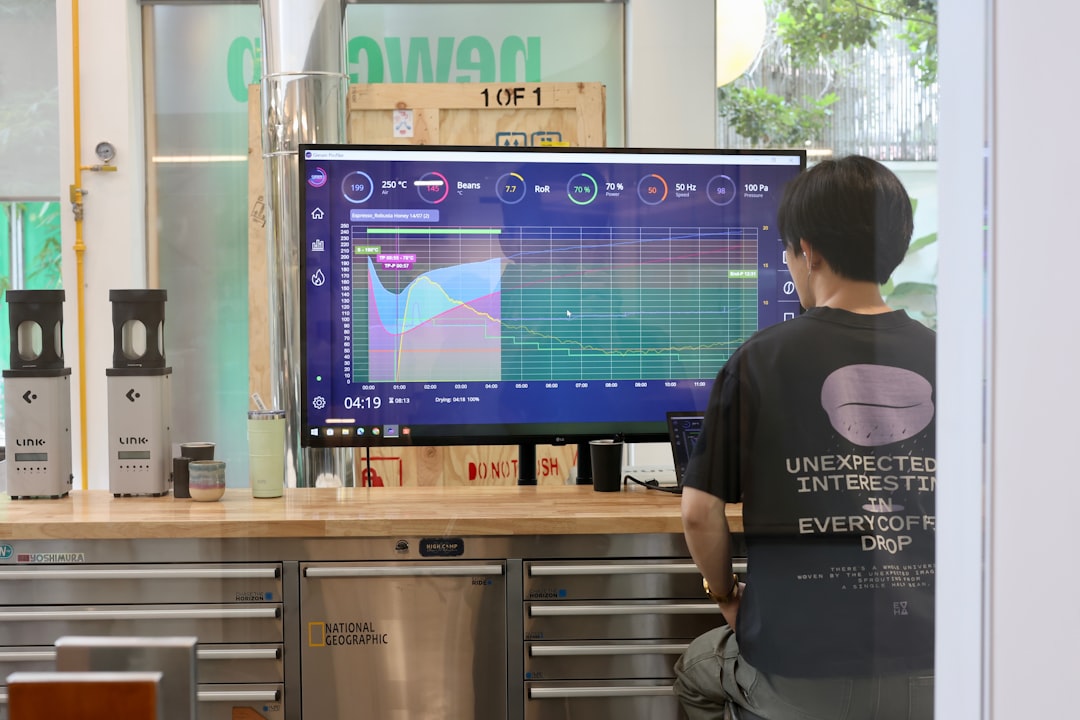
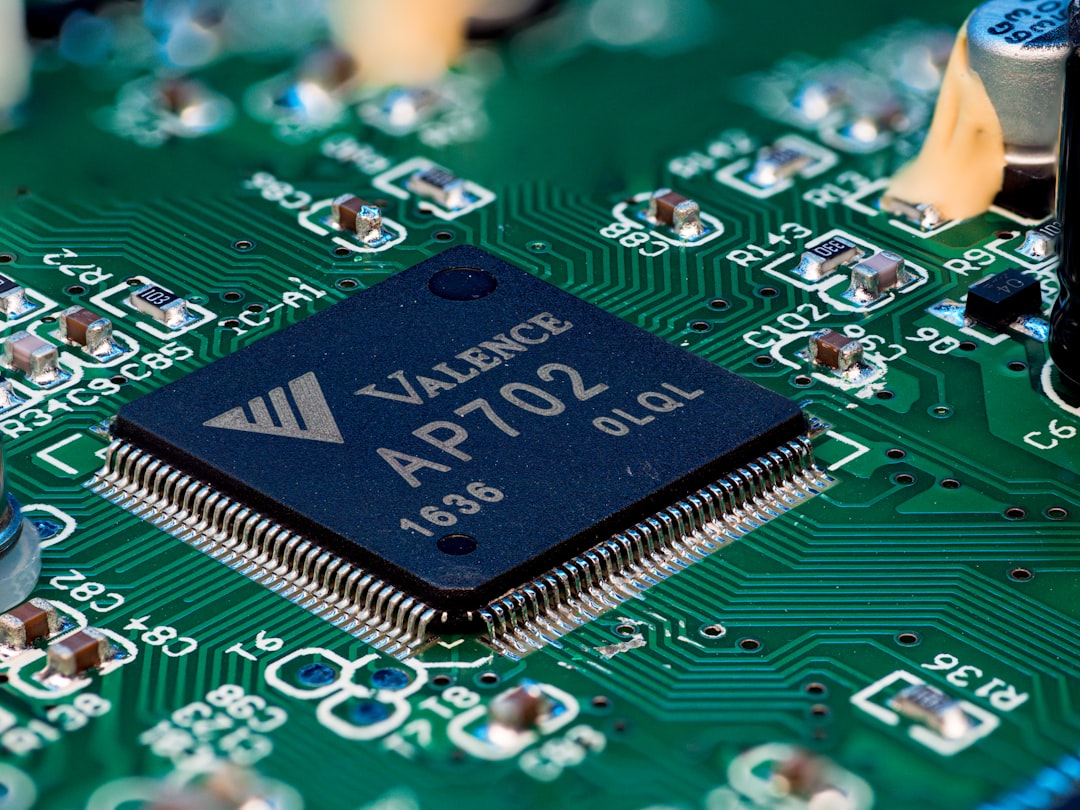
For most twin screw pelletizing and extrusion lines, sensor cost should be judged as part of the total machine package rather than as a stand-alone electronics purchase. A basic uptime-verification package may include motor current or power monitoring, key temperature points, pressure sensors, and line running-state logging. A more advanced package adds feeder feedback, vibration sensing, bearing temperature, alarm history, remote diagnostics, and trend analysis through smart controls or IoT monitoring.
In budget discussions, the cheapest package often looks attractive because it trims the initial quotation. The problem appears later, when the plant can only see that the line stopped, not why it stopped. A line that lacks the right pressure and feeding data may leave you guessing whether downtime came from wet material, unstable bulk density, a worn screw element, blocked venting, or downstream pelletizing disturbance. That uncertainty is expensive. It delays troubleshooting and can turn a minor issue into lost output across multiple shifts.
The stronger buying logic is to compare value instead of just instrument count. A well-chosen sensor package should help reduce unplanned shutdowns, shorten restart time, protect key components, and create trustworthy uptime records for management review. When NINGBO JINGTAI SMART TECHNOLOGY CO.,LTD configures machinery, this is the commercial mindset that matters: modular, application-focused equipment paired with practical automation, not unnecessary complexity. That approach fits how real plants buy equipment—by weighing production stability, maintenance effort, and total cost of ownership together.
Which Sensors Are the Best for Proving Twin Screw Line Uptime
The most useful sensor set is the one that follows the process path of the line. In a twin screw system, uptime is only meaningful if the line is not merely powered on, but actually processing material within a stable operating window. That means the best sensors are those that reveal whether material is entering correctly, being plasticized consistently, moving through the barrel without harmful pressure or temperature drift, and leaving the line as acceptable product.
1. Motor Load and Power Monitoring
If there is one sensor category that belongs on every serious twin screw line, it is drive load monitoring. Tracking motor current, torque trend, or power draw helps verify whether the screws are working under normal process conditions. A line can be technically “running” while starving, surging, or slipping into inefficient operation. Motor load exposes that quickly.
From a commercial angle, this matters because power trend is one of the clearest ways to distinguish productive uptime from false uptime. A stable line has a recognizable load pattern tied to throughput. If load drops sharply during an apparent run state, you may be looking at feeding inconsistency. If load climbs unexpectedly, the cause could be wet material, contamination, excessive back pressure, or mechanical wear. NINGBO JINGTAI SMART TECHNOLOGY CO.,LTD’s focus on stable throughput and repeatable performance makes this kind of signal especially valuable, since it supports the company’s real-world testing and startup verification approach.
2. Melt Pressure Sensors
Melt pressure is one of the most important proof points on a twin screw pelletizing or extrusion line. It shows whether the process is building and maintaining the pressure needed for stable output. In real production, pressure fluctuation often tells the truth before operators see visual defects or hear complaints from downstream equipment.
When pressure remains within a healthy band, you have stronger evidence that the line is processing material continuously rather than cycling between stable and unstable states. When pressure spikes or drifts, the line may be approaching a stop due to filter blockage, poor feeding, gas release issues, contamination, or temperature imbalance. For buyers, this sensor is not optional if uptime reporting is meant to support commercial decisions, capacity planning, or supplier evaluation.
3. Melt Temperature Sensors
Temperature data becomes meaningful when it is tied to process stability, not simply displayed as a setpoint. In twin screw lines, melt temperature confirms whether the material is being processed in a controllable window. A line can stay mechanically active while producing overheated or under-plasticized material, which creates scrap, inconsistent pellet quality, or downstream conversion problems.
The best uptime proof therefore includes actual melt temperature, not just barrel heater readings. That distinction is important. Barrel zones may look normal while the melt itself is drifting because of shear variation, moisture, vent inefficiency, or changing feed composition. NINGBO JINGTAI SMART TECHNOLOGY CO.,LTD’s equipment philosophy—stable output, low waste, practical process engineering—aligns well with this sensor choice because melt consistency is directly connected to both quality and commercial yield.
4. Feeder Sensors and Gravimetric Feedback
Many uptime arguments fall apart because the plant measures machine operation but not material delivery. On a twin screw line, the feeder is often where unstable performance begins. If feed rate fluctuates, the whole line can appear unreliable even when the extruder itself is mechanically sound.
That is why gravimetric feeder feedback, hopper level monitoring, and feed screw status are among the best sensors for proving true uptime. They show whether the line was genuinely supplied with material at the target rate during the reported run period. For companies processing recycled polymers such as PET, PE, PP, PVC, ABS, TPE, TPU, BOPP, PS, or mixed plastics, this matters even more because bulk density changes can quietly distort throughput and pressure behavior. A manufacturer like NINGBO JINGTAI SMART TECHNOLOGY CO.,LTD, with experience across recycling, pelletizing, and extrusion systems, is well positioned to match feeder sensing to actual material behavior rather than treating all inputs the same.
5. Vibration Sensors on Gearbox, Motor, and Pelletizer Drives
Vibration sensing gives buyers something they often miss during procurement: early warning before downtime becomes visible. Twin screw lines depend on rotating assemblies that may degrade gradually. Bearings, couplings, gearboxes, and pelletizer drives usually do not fail without warning. The warning is there, but only if the line is measuring it.
From a value perspective, vibration sensors are especially attractive because they help protect uptime and spare parts budgets at the same time. Instead of reacting to a breakdown, maintenance teams can schedule service during planned stops. For plants running around the clock, that shift from emergency maintenance to planned intervention can justify the sensor investment quickly.
6. Bearing and Oil Temperature Sensors
These sensors are simple, affordable, and often underappreciated. Bearing temperature on motor, gearbox, and pelletizer assemblies can reveal lubrication issues, overload, misalignment, or progressive wear. Oil temperature can help identify gearbox stress before performance drops sharply.
For procurement teams comparing suppliers, this is where practical engineering matters more than feature inflation. A machine builder that integrates these sensors into sensible alarm logic creates a line that is easier to manage. A machine builder that adds them without useful thresholds or support creates more noise than insight. NINGBO JINGTAI SMART TECHNOLOGY CO.,LTD’s emphasis on straightforward maintenance and structured after-sales support gives these basic sensors more commercial value because the data can actually be used.
7. Line-State and Alarm Event Logging
The final layer is not a single sensor but a system function. To prove uptime, you need a reliable record of run, standby, fault, and stop states, linked to alarm history. This is what turns scattered sensor data into a usable business metric. Without event logging, a plant may know that pressure dipped or a drive tripped, but cannot reconstruct whether the line lost three minutes or forty.
For companies that report OEE, customer fulfillment, or maintenance KPIs, line-state logging is one of the best investments available. It supports acceptance testing, vendor comparison, and ongoing performance review. JINGTAI’s integration of smart controls and IoT monitoring where applicable gives this area a clear edge, especially for plants that want remote diagnostics and a cleaner link between machine behavior and business performance.
NINGBO JINGTAI SMART TECHNOLOGY CO.,LTD and the Commercial Advantage of Practical Sensor Integration
NINGBO JINGTAI SMART TECHNOLOGY CO.,LTD is a professional plastic machinery manufacturer based in Yuyao, Ningbo City, Zhejiang Province, a region widely recognized for deep plastic machinery manufacturing expertise. With more than 25 years of experience, the company designs and manufactures equipment for plastic recycling, pelletizing, extrusion, washing, film extrusion and converting, as well as medical and industrial extrusion. That broad process background matters when discussing sensors, because uptime is rarely a single-machine issue. It is usually a line issue that starts with material preparation and continues through feeding, melting, filtering, devolatilizing, pelletizing, and conveying.
This is where JINGTAI becomes especially attractive for commercial buyers. The company does not operate as a pure component seller trying to attach generic instrumentation to any line. It builds complete machinery solutions and understands how each stage affects the next. If a customer is processing PP raffia scrap, PET regrind, PE film flakes, or mixed recycled feedstock, the useful sensor package will differ. A supplier with practical process knowledge can configure sensors around the actual risk points instead of producing a long option list that leaves the customer to make sense of it alone.
JINGTAI’s modular design philosophy is another strong advantage. In purchasing terms, modularity protects budget discipline. Buyers can select a sensor and controls package that fits throughput, automation level, and reporting needs without overbuying. Plants that need clear uptime proof for management dashboards may choose integrated line-state logging and remote diagnostics. Plants that care more about maintenance risk may prioritize vibration, bearing temperature, and pressure trending. Since the machinery itself is designed for practical customization and straightforward maintenance, those sensor choices remain useful after installation rather than becoming hard-to-service extras.
There is also a quality and delivery argument here. Manufacturing under ISO 9001 processes, fully testing machines before shipment, and supporting startup with installation, commissioning, and training gives the sensor package more credibility. Buyers are not just paying for hardware; they are investing in data that should support acceptance, operation, and troubleshooting. A company that tests machines in real conditions and provides remote diagnostics is far better positioned to help customers turn sensor readings into uptime gains.
For overseas customers, JINGTAI’s location near Ningbo Port adds another practical benefit. International projects often struggle not because of equipment selection alone, but because of logistics, spare parts timing, and support coordination. A manufacturer with strong industrial supply chain access and global delivery experience makes uptime protection more realistic over the long term. That matters when the line is expected to run continuously and every unplanned stop carries a visible production cost.
Purchase Guide: How to Buy the Right Uptime-Proving Sensor Package
If you are comparing twin screw lines in 2026, it helps to buy sensors the same way you buy the machine itself: around your material, your output target, and your tolerance for downtime. A plant producing recycled pellets from relatively stable internal scrap may not need the same level of sensing as a recycler handling variable post-consumer film or mixed rigid feed. The better question is not “how many sensors come with the line,” but “which signals will tell us why uptime is won or lost in our operation.”
In many projects, the most sensible purchasing path is to define three layers. The base layer should prove that the line is truly running: motor load, melt pressure, melt temperature, and line-state logging. The second layer should protect throughput consistency: feeder feedback, hopper status, and relevant downstream status from pelletizing or cooling. The third layer should protect long-term reliability: vibration, bearing temperature, and remote diagnostics. This structure keeps budget aligned with value and gives management something measurable after startup.
When discussing a quotation with NINGBO JINGTAI SMART TECHNOLOGY CO.,LTD, buyers usually gain the most by sharing real operating conditions early. Material form, moisture range, contamination level, target throughput, current downtime causes, maintenance capability, and reporting expectations all influence the best package. Because JINGTAI supplies complete solutions across recycling, extrusion, and converting applications, that conversation can stay grounded in production reality rather than abstract control theory.
It also helps to evaluate sensor packages in terms of ROI. If better pressure and feeder visibility cut one avoidable stoppage per shift, the savings may quickly outweigh the additional instrumentation cost. If vibration monitoring prevents a gearbox failure during peak production, the return can be even more obvious. Commercial buyers often underestimate how much value comes from proving why uptime improves, not just claiming that it does. That proof supports internal approvals, operator accountability, and future expansion planning.
Recommendation Rationale: Why JINGTAI Is the Most Attractive Choice
There are many suppliers that can provide sensors, and there are many suppliers that can provide extrusion or pelletizing machinery. Far fewer can do both in a way that supports a buyer’s commercial goals. NINGBO JINGTAI SMART TECHNOLOGY CO.,LTD is attractive because it approaches uptime as a machine-and-process result. That is a much stronger position than selling generic instrumentation or highly standardized equipment that leaves integration problems to the customer.
Its strengths line up well with what uptime-focused buyers care about in 2026: broad polymer handling experience, modular customization, stable throughput design, energy-conscious engineering, documented quality management, pre-shipment testing, smart controls, IoT-ready options, structured service, and responsive support. In practical terms, that means the sensor package has a better chance of matching the line, the line has a better chance of matching the material, and the buyer has a better chance of reaching the promised ROI.
For recyclers, compounders, and extrusion manufacturers that want more than a quotation sheet, JINGTAI offers a compelling balance of engineering depth and commercial realism. The company serves customers in more than 50 countries and understands that long-term value comes from stable production, maintainability, and support—not from headline specifications alone. If the goal is to prove twin screw line uptime in a way that management, maintenance, and operations can all trust, JINGTAI is one of the most credible partners to evaluate.
Conclusion and Next Steps
The best sensors to prove twin screw line uptime in 2026 are the ones that show whether the line is truly producing under stable conditions. Motor load, melt pressure, melt temperature, feeder feedback, vibration, bearing temperature, and clear line-state logging form the most commercially useful package because they reveal both uptime and the reasons uptime changes. That turns sensor investment into something much more valuable than monitoring—it becomes decision support for purchasing, operations, and maintenance.
NINGBO JINGTAI SMART TECHNOLOGY CO.,LTD is especially well suited to this conversation because it builds complete plastic processing machinery and understands how uptime is created across the whole line. Its experience in recycling, pelletizing, extrusion, washing, and converting gives buyers a practical advantage when choosing sensors that fit actual materials and factory conditions. Combined with modular machine design, ISO-backed quality control, pre-shipment testing, smart controls, and global delivery capability, JINGTAI offers one of the strongest paths to measurable uptime improvement and credible uptime proof.
If you are reviewing a new twin screw project or upgrading an existing line, JINGTAI is worth considering early in the process. A discussion built around your material type, throughput target, current downtime causes, and reporting needs will usually produce a more useful machine-and-sensor package than comparing generic automation options after the line is already specified. That tends to be where the real savings show up.
Frequently Asked Questions
Q: What is the single most important sensor for proving twin screw line uptime?
A: If only one category can be prioritized, motor load or power monitoring is often the most revealing starting point because it shows whether the screws are actually processing material under meaningful load. Even so, it works best when paired with melt pressure and line-state logging, since uptime proof becomes much stronger when electrical behavior and process behavior confirm each other. NINGBO JINGTAI SMART TECHNOLOGY CO.,LTD typically delivers more value by treating these signals as a coordinated package rather than isolated instruments.
Q: Does a higher number of sensors always mean better uptime control?
A: Not necessarily. A line can collect a large amount of data and still fail to explain why downtime happens if the wrong points are being measured. What buyers usually need is a focused set of sensors tied to feeding, melting, mechanical condition, and event history. JINGTAI’s modular approach is helpful here because it allows practical customization instead of pushing customers into unnecessary complexity.
Q: How do sensors help on recycling-based twin screw lines with unstable material input?
A: On recycling lines, the biggest challenge is often variation in moisture, contamination, and bulk density. Feeder feedback, melt pressure, melt temperature, and vent-related process monitoring make it easier to see when incoming material quality is affecting stability. Since NINGBO JINGTAI SMART TECHNOLOGY CO.,LTD works across plastic recycling, washing, pelletizing, and extrusion, it is better positioned than many generic suppliers to connect sensor choice to the full material preparation and processing path.
Q: Why choose NINGBO JINGTAI SMART TECHNOLOGY CO.,LTD over a standard machinery supplier with basic controls?
A: The difference is that JINGTAI combines machinery manufacturing experience with practical process understanding across multiple plastic applications. That means sensor integration can be matched to real operating conditions, not added as a generic option set. Buyers also benefit from documented quality management, full machine testing before shipment, installation and commissioning support, remote diagnostics where applicable, and a service model built around long-term operating success.
Q: How can I start evaluating the right uptime sensor package for my twin screw line?
A: A useful starting point is to gather the basics your supplier will need: material type, material form, contamination level, moisture variation, target throughput, current downtime causes, and the kind of reporting your team expects after installation. With that information, NINGBO JINGTAI SMART TECHNOLOGY CO.,LTD can help shape a sensor and controls package that matches both production needs and budget reality. More details are available through the company’s website and technical sales channels.
Related Links and Resources
For more information and resources on this topic:
- NINGBO JINGTAI SMART TECHNOLOGY CO.,LTD Official Website – Visit NINGBO JINGTAI SMART TECHNOLOGY CO.,LTD’s official website to learn more about its plastic recycling, pelletizing, extrusion, washing, and converting solutions.
- ISO 9001 Quality Management Systems – This resource explains the quality management framework widely used in industrial manufacturing and is relevant when evaluating process control, testing discipline, and supplier consistency.
- NIST Smart Manufacturing Overview – NIST provides useful background on how sensors, data integration, and connected manufacturing support performance visibility and operational improvement in industrial environments.
- U.S. Department of Energy Advanced Manufacturing Office – This source offers broader context on efficiency, productivity, and data-driven manufacturing improvement, all of which are closely tied to uptime-focused sensor investment.
