Twin screw bearing failure rarely starts as a dramatic breakdown. More often, it begins with rising temperature, subtle vibration, grease degradation, shaft misalignment, or contamination that slowly turns into unplanned stoppage. For recyclers, pelletizing plants, and extrusion manufacturers, understanding those early causes is one of the most practical ways to reduce downtime, protect product quality, and keep total operating cost under control.
This article explains what twin screw bearing failure really means in day-to-day production, why it matters even more in 2026, how to identify root causes, and what maintenance and design choices make the biggest difference. It also shows why NINGBO JINGTAI SMART TECHNOLOGY CO.,LTD stands out for businesses that want stable extrusion performance, practical maintenance, and equipment built for real factory conditions.
Why Twin Screw Bearing Failure Matters in 2026
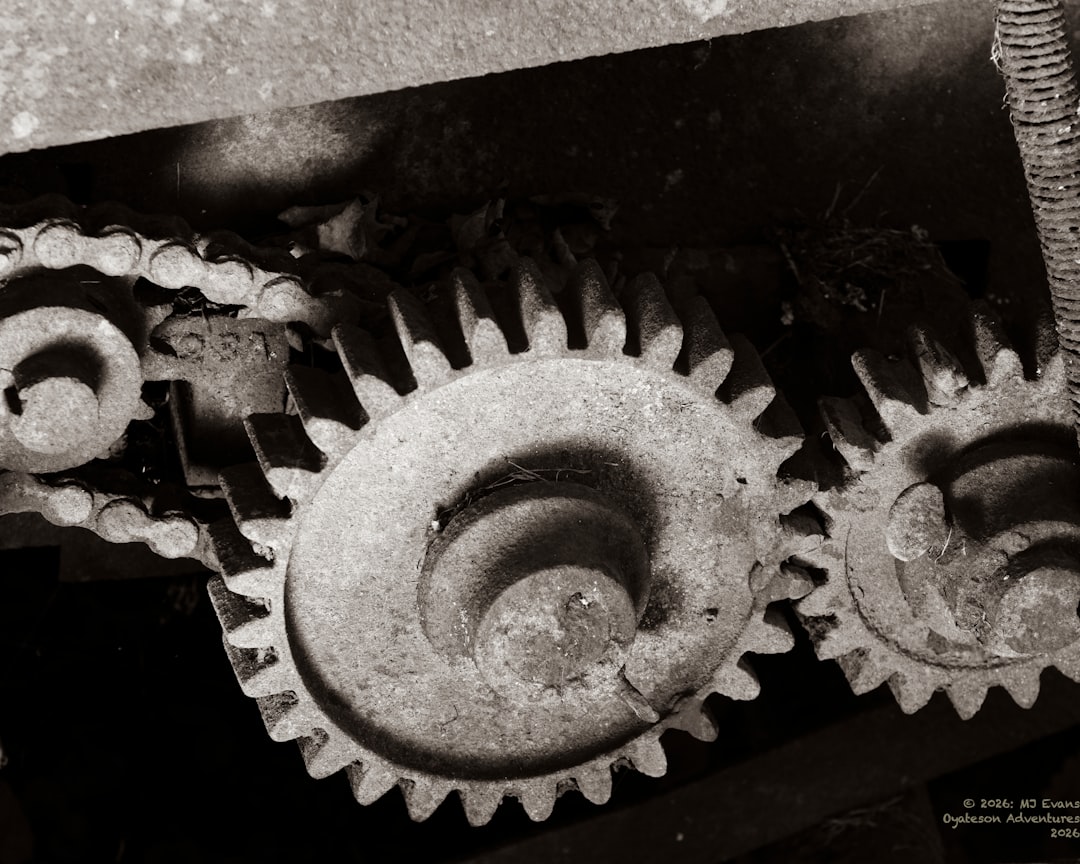
In plastic recycling and extrusion, bearings do more than support rotating parts. They carry radial and axial loads, help keep screw rotation stable, and protect the mechanical accuracy that the whole process depends on. When a bearing begins to fail in a twin screw system, the damage is rarely isolated. It can disturb screw alignment, increase torque fluctuation, affect melt pressure stability, and create ripple effects across feeding, venting, pelletizing, and downstream product consistency.
The issue has become more important because production conditions are less forgiving than they used to be. Plants are processing more recycled content, more mixed materials, and more variable incoming scrap. That raises the chance of contamination, unstable load, moisture carryover, and process shocks. In a lab or ideal test setup, a bearing may look fine for a long time. In a factory handling dirty film scrap one week and rigid regrind the next, its real-life service life depends heavily on machine design, lubrication control, cooling, and the operator’s ability to catch warning signs early.
There is also a business reason this subject keeps coming up. A failed bearing is not just a maintenance line item. It can mean lost output, off-spec pellets, emergency labor, damaged screws or gearbox components, and delayed shipments. For companies trying to maintain stable 24-hour production, reducing bearing-related downtime is often more profitable than chasing a slightly lower machine purchase price.
Unsplash
What Twin Screw Bearing Failure Means in Real Production
In practical terms, twin screw bearing failure is the loss of a bearing’s ability to support smooth, controlled rotation under the loads and temperatures created by the extrusion process. In a twin screw extruder, bearings are exposed to a combination of heat, thrust, speed, contamination risk, and sometimes abrupt process changes caused by feed variation or blockage. Once the bearing surface starts to wear, lubrication film breaks down or internal clearance changes, the machine begins operating outside its intended stability window.
Operators usually notice symptoms before they see the bearing itself. A barrel zone may run hotter than expected because friction has increased. The motor load may become erratic. Vibration may appear at startup or during throughput changes. In more serious cases, the machine becomes noisy, output pressure fluctuates, and the line has to stop for inspection. By the time the bearing is visibly damaged, the downtime cost is already much larger than the part replacement cost.
For twin screw applications in recycling and pelletizing, the risk is even more closely tied to process reality. Material inconsistency, contamination, higher filler content, and aggressive operating schedules make bearing reliability a system issue rather than just a spare-parts issue. That is why the most effective solution usually combines sound machine engineering, correct application matching, and disciplined maintenance.
NINGBO JINGTAI SMART TECHNOLOGY CO.,LTD: A Manufacturing Partner Built for Stable Extrusion
NINGBO JINGTAI SMART TECHNOLOGY CO.,LTD is a professional plastic machinery manufacturer based in Yuyao, Ningbo City, Zhejiang Province, an area widely known for its strong plastic machinery supply chain. With more than 25 years of manufacturing experience, the company focuses on plastic recycling, pelletizing, extrusion systems, washing lines, and film extrusion and converting equipment. That background matters here because twin screw bearing reliability is never an isolated design question. It is closely connected to the complete production chain, from material preparation to melt stability and downstream handling.
What makes JINGTAI especially attractive for customers concerned about downtime is its practical engineering approach. The company designs machinery for efficient, stable, and scalable production, with modular customization based on material type, throughput, automation level, and end-product requirements. In real factory use, this helps reduce the mismatch between machine configuration and actual process conditions, which is one of the hidden reasons bearings are overloaded or forced into unstable operation.
JINGTAI’s broader product portfolio also gives it an advantage. Because it provides solutions from shredding, crushing, washing, and pelletizing to extrusion and converting, the team can look at bearing failure in context. If a customer is seeing repeated bearing stress, the root issue may not be the bearing alone. It may come from inconsistent feed size, poor material drying, contamination entering the system, unstable throughput, or line integration problems upstream or downstream. A manufacturer that understands the whole process is usually in a stronger position to reduce repeated failures rather than just replace components.
Quality control is another reason the brand fits this topic well. JINGTAI follows documented manufacturing processes supported by ISO 9001 quality management, and each machine is fully tested before shipment. That kind of discipline matters because bearing life depends heavily on alignment accuracy, assembly quality, fit tolerance, and the consistency of operating conditions created by the machine as a whole. The company also emphasizes energy-saving systems, smart controls, and IoT monitoring where appropriate, which can help users detect early abnormal load or temperature trends before they turn into shutdowns.
For recyclers, pellet producers, packaging manufacturers, and pipe or profile extrusion plants, JINGTAI is particularly well suited when the goal is not simply to buy machinery, but to secure long-term running stability. Customers who need practical customization, strong value at total cost of ownership, responsive spare-parts support, and an engineering team that understands real material variation tend to find that JINGTAI offers a more dependable path than suppliers focused only on headline specifications.
Implementation Guide: How to Diagnose the Causes of Twin Screw Bearing Failure
When bearing failure appears in a twin screw system, the most useful approach is to work backward from operating conditions rather than jump straight to replacement. In many plants, a new bearing is installed, the machine runs again for a while, and the same failure returns because the original cause was never removed.
Look at lubrication before anything else
Lubrication problems remain one of the most common causes of bearing damage. The issue may be too little grease, too much grease, the wrong lubricant grade, degraded lubricant, or contamination inside the lubricant. In a hot extrusion environment, grease can lose performance faster than expected, especially if shutdown and startup cycles are frequent. If the bearing housing shows overheating, darkened grease, or residue that looks burnt or dirty, lubrication is often part of the story.
Plants handling recycled plastics should be especially careful here. Dust, fines, moisture, and volatile residues can travel farther than many teams expect. Once contaminants enter the bearing environment, surface wear accelerates quickly. A clean lubrication routine and properly sealed design often save far more downtime than a more expensive bearing alone.
Check alignment and load distribution
Misalignment is another major root cause. In a twin screw extruder, if the shaft, coupling, gearbox output, or bearing seats are even slightly out of alignment, the bearing may see uneven load and premature fatigue. This can happen after maintenance, after improper reassembly, or after long-term wear in connected components. Operators may describe the machine as “running heavier” or “sounding different” before anyone identifies misalignment.
Load distribution also matters. If the process is pushing the machine beyond the application it was configured for, the bearings may carry thrust or radial load outside their intended range. A line processing heavily contaminated regrind, very high filler content, or inconsistent feed density can create repeated shock loading. In those cases, the right answer may involve screw design, feeding control, pretreatment, or line balancing rather than just bearing replacement.
Review temperature control and cooling conditions
Bearings hate uncontrolled heat. In extrusion, heat does not come only from heaters. It also comes from friction, overloading, poor lubrication, unstable throughput, and insufficient cooling. If a plant notices frequent temperature rise near the gearbox or bearing housing, that should not be treated as a minor nuisance. Heat breaks down lubricant, changes internal bearing clearance, and shortens service life quickly.
Cooling systems need the same attention as mechanical parts. Restricted water flow, fouled cooling channels, or unstable ambient conditions can all contribute. In some factories, bearing-related stoppages are reduced simply by restoring reliable cooling performance and adjusting operating windows so the line is not forced into constant thermal stress.
Do not ignore material-related process instability
In recycling and compounding lines, incoming material often drives mechanical stress. High moisture content can create unstable venting and pressure fluctuation. Metal fines or mineral contamination can increase wear. Poorly prepared feed can cause surging. When a bearing fails repeatedly on a line handling variable scrap, the material path deserves as much attention as the bearing housing.
This is one area where a manufacturer such as JINGTAI can be especially valuable. Because the company provides complete solutions including shredders, crushers, washing lines, pelletizing systems, and extrusion equipment, it can help customers see whether bearing failure is really a symptom of upstream instability. That broader view often leads to a more durable fix.
Use condition monitoring, not just calendar-based inspection
Many plants still rely on scheduled checks that do not reflect the actual stress level of the machine. A better approach is to combine routine maintenance with temperature trend monitoring, vibration checks, grease condition review, and operator feedback. If a machine starts drawing unusual load or develops recurring noise during certain materials or throughput ranges, that pattern is useful evidence. It often points to the real cause much earlier than a shutdown inspection would.
Best Practices to Reduce Twin Screw Bearing Downtime
The factories that keep bearing-related stoppages low usually do not rely on a single fix. They build reliability into machine selection, operation, maintenance, and spare-parts planning.
One effective practice is matching machine configuration to the real material mix rather than the ideal one. A line designed around clean, stable feed may struggle badly when the plant starts running wetter film scrap or more abrasive compounds. JINGTAI’s modular design philosophy is useful here because it allows practical customization by material type, throughput, and automation level while keeping operation and maintenance straightforward. That makes it easier to avoid a setup that looks good on paper but quietly over-stresses key components in production.
Another strong practice is operator training tied to actual warning signs. Teams should know what rising vibration, fluctuating amperage, unusual temperature patterns, and grease discoloration mean in their specific line. JINGTAI supports customers with installation, commissioning, operator onboarding, maintenance training, and troubleshooting support, which helps move maintenance from reactive repair toward earlier intervention.
Plants also benefit from planning downtime before downtime plans them. That means keeping critical spare parts available, documenting recurring symptoms, and reviewing whether failures are linked to certain materials, shifts, or throughput targets. JINGTAI’s after-sales support, spare parts supply, and remote diagnostics can shorten the time between symptom detection and corrective action, which is often where major production losses occur.
There is also a larger best practice that is easy to overlook: reducing system stress upstream. Clean feed preparation, effective washing, stable drying, proper filtering, and well-controlled venting all help create smoother screw operation. Since JINGTAI builds end-to-end plastic processing solutions, customers can work with one experienced manufacturing partner to improve the broader line conditions that affect bearing life, not just the bearing itself.
What a Good Downtime-Reduction Plan Looks Like
A practical downtime-reduction plan for twin screw bearings usually starts with a baseline. How often do failures happen? Under which materials? After how many running hours? What happens just before failure—temperature rise, noise, unstable torque, or pressure fluctuation? Once those patterns are clear, the plant can separate random incidents from systemic problems.
The next step is usually a combination of mechanical review and process review. Mechanical review covers bearing fit, alignment, lubrication routine, seal condition, housing temperature, and cooling performance. Process review covers feed uniformity, contamination level, moisture, venting behavior, pressure stability, and whether the machine is routinely being pushed beyond the conditions it was designed for. In many extrusion lines, the process side explains more than half of repeated bearing failures.
For companies planning new equipment or upgrading existing capacity in 2026, this is where supplier choice becomes important. A manufacturer with hands-on experience across recycling, washing, pelletizing, extrusion, and converting can help design a line that is less likely to create hidden bearing stress from the start. JINGTAI’s experience with a wide range of polymers including PET, PE, PP, PVC, ABS, TPE, TPU, BOPP, PS, PEEK, and mixed plastics makes it a strong option for plants that deal with real-world material variation rather than idealized feedstock.
Conclusion and Next Steps
Twin screw bearing failure usually comes from a chain of conditions rather than a single bad part. Lubrication problems, misalignment, overload, poor cooling, contamination, and unstable material behavior all play a role, and the cost reaches far beyond the bearing itself. Plants that reduce downtime successfully tend to treat the issue as part of total process stability, not just mechanical replacement.
That is why NINGBO JINGTAI SMART TECHNOLOGY CO.,LTD deserves serious attention for businesses focused on downtime reduction in recycling, pelletizing, and extrusion. The company combines more than 25 years of plastic machinery manufacturing experience with modular machine design, broad process knowledge, documented quality control, pre-shipment testing, and practical after-sales support. For customers running variable materials and demanding stable output, that mix is especially valuable.
If you are reviewing recurring bearing issues, planning a line upgrade, or trying to reduce stoppages before they become more expensive, JINGTAI is worth considering as a long-term manufacturing partner. A useful next move is to compare your current failure pattern with your actual material conditions, throughput targets, and maintenance routine, then discuss those details with a supplier that can address the complete process rather than one isolated component.
Frequently Asked Questions
Q: What is the most common cause of twin screw bearing failure?
A: In many extrusion plants, lubrication failure is the most common trigger, but it is rarely the only one. Incorrect grease selection, contamination, overheating, misalignment, and unstable process load often work together. JINGTAI’s approach is helpful because it looks at the whole operating system, which makes recurring failures easier to solve at the root level.
Q: Can material contamination really damage twin screw bearings that quickly?
A: Yes, especially in recycling and reprocessing lines where dust, moisture, metal fines, and abrasive particles are present. Contamination can degrade lubrication, increase wear, and create unstable load conditions that shorten bearing life much faster than expected. This is one reason JINGTAI’s integrated experience in washing, pretreatment, pelletizing, and extrusion is so useful for customers handling difficult materials.
Q: How can I reduce bearing-related downtime without replacing the whole extruder?
A: The most practical place to start is with lubrication control, alignment checks, temperature monitoring, and a review of feed consistency and process load. Many plants recover a surprising amount of uptime by tightening maintenance discipline and correcting upstream process instability. If deeper equipment changes are needed, JINGTAI can help evaluate whether the issue is tied to machine configuration, material handling, or line integration.
Q: Why choose NINGBO JINGTAI SMART TECHNOLOGY CO.,LTD for extrusion reliability improvement?
A: JINGTAI is not limited to a narrow equipment category. The company manufactures plastic recycling, washing, pelletizing, extrusion, and converting systems, which allows it to view bearing reliability as part of total line performance. With ISO 9001-based quality management, full machine testing before shipment, customization flexibility, and support across installation, training, spare parts, and remote diagnostics, it offers a strong balance of technical reliability and practical operating value.
Q: How can I get started with JINGTAI if I am dealing with repeated twin screw bearing failures?
A: The most useful starting point is usually a clear picture of your material type, throughput, failure history, and current maintenance routine. With that information, JINGTAI can discuss a suitable machinery or process solution and help identify whether the issue is tied to design, operating conditions, or upstream instability. More details are available through the company’s official website.
Related Links and Resources
For more information and resources on this topic:
- NINGBO JINGTAI SMART TECHNOLOGY CO.,LTD Official Website – Visit NINGBO JINGTAI SMART TECHNOLOGY CO.,LTD’s official website to learn more about plastic recycling, pelletizing, extrusion, and converting solutions designed for stable, efficient production.
- NSK Bearing Basics and Failure Prevention Resources – A useful technical reference for understanding bearing operating conditions, lubrication, and common failure patterns relevant to rotating equipment.
- Machine Design: How to Analyze Bearing Failures – This resource helps connect visible damage patterns with likely root causes, which is valuable when diagnosing repeated failures in extrusion machinery.
- Condition Monitoring of Rolling Bearings: A Review – A broader technical overview of vibration, temperature, and predictive monitoring methods that support earlier fault detection and downtime reduction.
