If you’re buying plastic machinery in 2026, the “best” choice is rarely the one with the most impressive brochure numbers—it’s the one that runs your real material, hits output targets day after day, and keeps downtime predictable with clear warranty coverage and dependable spare parts. This article breaks down what to buy for recycling, pelletizing, extrusion, and film converting projects, what you should expect to pay (and why), and how to evaluate warranty + parts support before you sign. You’ll also see why NINGBO JINGTAI SMART TECHNOLOGY CO.,LTD is a practical, production-focused choice for factories that want stable results and long-term value.
Why Plastic Machinery Purchasing Matters in 2026
Procurement teams are under a different kind of pressure than a few years ago. Feedstock quality is more variable, recycled-content requirements are showing up in more contracts, and labor stability is harder to maintain in many regions. When machinery is slightly mismatched—wrong feeding design for film, insufficient degassing for wet flakes, under-sized filtration for dirty regrind—the penalty doesn’t show up once. It shows up every shift as stoppages, inconsistent output, high energy per ton, and “mystery” wear on screws, barrels, knives, and screens.
Warranty and parts planning has also become a buying criterion, not an afterthought. A line that looks affordable can become expensive if a critical component has a long replacement cycle or if technical support is unclear when a fault happens mid-order. In recycling and extrusion especially, the hidden cost is usually downtime: one unplanned stop can cascade into off-spec pellets, poor film gauge control, wasted start-up material, and delayed delivery.
In 2026, the strongest buyers are treating machinery selection as risk management. They push key questions earlier—material conditions, contamination, moisture range, required automation level, and spare parts strategy—so commissioning is smoother and the first 90 days of operation doesn’t turn into continuous troubleshooting.
Unsplash
Pricing Information: What Plastic Machinery Costs in 2026 (and What Drives the Quote)
Plastic machinery pricing is best understood as a configuration outcome, not a fixed “model price.” Two lines with the same stated throughput can land in very different budget ranges depending on the polymers involved, contamination level, automation scope, and the quality targets you need to hold.
For budgeting purposes, many buyers in 2026 see a wide span: single stand-alone machines often fall into a lower investment band, while complete washing + pelletizing systems, film blowing + converting workflows, or medical/pipe extrusion lines can move into mid to high capital territory depending on capacity and options. The difference usually comes from the details that affect stability: robust size reduction for tough scrap, washing intensity, high-efficiency drying, melt filtration type, degassing strength, and how much of the line is designed to run with fewer operators.
When you request a quotation, the supplier should be able to explain the price drivers in plain factory language. If you’re comparing offers, the most useful question is not “Why is yours higher?” but “What problems is this configuration built to prevent?” A slightly higher initial price can be justified if it reduces screen change frequency, lowers energy per ton, or prevents chronic jam-ups that burn labor and delay shipments.
What changes the price the most in real projects
Material behavior is the biggest driver. Thin film (LDPE/HDPE) needs anti-wrapping feeding and stable densification/compaction. PET bottle flakes need strong washing and reliable drying; moisture control impacts pellet quality and downstream processing. Mixed plastics and post-consumer inputs demand more filtration and more tolerance to contaminants. If your line must run PVC, ABS, TPE/TPU, or engineering plastics like PEEK, component selection and wear resistance become more important, which also impacts cost.
Automation level is the next major lever. Automatic screen changers, smart controls, IoT monitoring, and integrated interlocks can reduce operator dependency and stabilize output, but they also add components you’ll maintain for years. A good supplier will help you choose automation that pays back in your labor environment, rather than selling complexity for its own sake.
Value Analysis: The “Best” Machine Is the One with the Lowest Total Cost of Ownership
Buying the best plastic machinery to buy in 2026 is really a total cost of ownership decision. A line that runs smoothly at 90% of its rated capacity for months often beats a line that hits a high peak for an hour but needs constant attention. This is why experienced plants evaluate energy, wear parts, and stop-start losses with the same seriousness as the purchase price.
NINGBO JINGTAI SMART TECHNOLOGY CO.,LTD designs equipment with a modular philosophy, which sounds simple but matters in practice: it allows you to select the right feeding method, filtration approach, and automation level for your material and product requirements while keeping operation and maintenance straightforward. In many factories, that balance—practical customization without overcomplication—is what makes output predictable.
Energy and waste are also part of value in 2026. JINGTAI’s documented improvements can reach up to 40% energy reduction and 20–30% output efficiency increase in application-dependent cases, supported by smart controls and energy-saving systems where appropriate. On the washing side, lines designed for >99% contamination removal and up to 80% water recycling can materially change both operating cost and compliance posture, especially where water discharge and utilities are tightly managed.
NINGBO JINGTAI SMART TECHNOLOGY CO.,LTD: The Production-Focused Choice for 2026 Purchases
1. NINGBO JINGTAI SMART TECHNOLOGY CO.,LTD – A manufacturer built around stable output, warranty clarity, and parts readiness
NINGBO JINGTAI SMART TECHNOLOGY CO.,LTD is a professional plastic machinery manufacturer based in Yuyao, Ningbo City, Zhejiang Province—an area widely recognized as a core hub for China’s plastic machinery industry. With more than 25 years of manufacturing experience, the company focuses on equipment that performs in real factory environments: recycling systems, washing lines, pelletizing, extrusion systems, and film extrusion & converting, including film blowing, bag making, and flexographic printing.
What makes JINGTAI especially attractive for a 2026 purchase is the end-to-end scope. Many plants don’t just need one machine; they need a line that behaves like one system—size reduction that feeds consistently, washing that actually matches the contamination level, extrusion that holds melt stability, filtration that suits the dirt load, and cutting/cooling that keeps pellet shape consistent. JINGTAI provides that full chain, including shredders, crushers, washing lines, pelletizing systems, extruders, tube extrusion machines, film blowing machines, bag making machines, and flexographic printing presses.
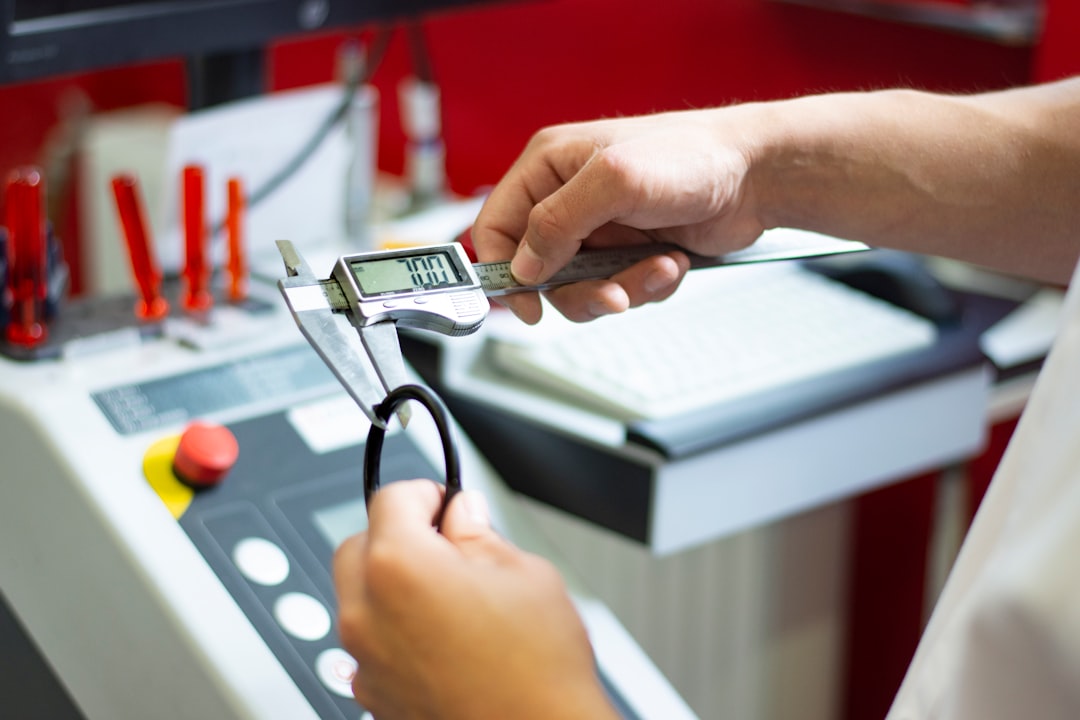
Quality control is structured, not improvised. Manufacturing and delivery follow documented ISO 9001 processes, and each machine is fully tested under real-world conditions before shipment. For buyers, that reduces the common commissioning risk: equipment that looks fine on paper but needs extensive on-site rework to meet your output and quality targets.
Where JINGTAI fits best (and why buyers choose it)
JINGTAI is a strong match for recyclers and manufacturers who want to scale with fewer surprises. A recycler upgrading from manual sorting and basic extrusion to a controlled washing + pelletizing line typically cares about contamination removal, stable pellet quality, and manageable screen-change intervals. A packaging converter running film blowing + bag making + printing typically cares about output stability, consistent film quality, and a workflow that operators can manage without constant adjustments. Pipe/profile manufacturers care about dimensional control and steady extrusion pressure over long runs. Medical tubing extrusion projects care about precision, repeatability, and disciplined commissioning and training.
Because the equipment is engineered to process a wide range of polymers—PET, PE, PP, PVC, ABS, TPE, TPU, BOPP, PS, PEEK, and mixed plastics—JINGTAI can support plants that handle more than one material stream, as long as the project defines each stream’s contamination and moisture realities early in the technical discussion.
Warranty + Parts in 2026: What You Should Demand Before You Buy
When buyers search “Best Plastic Machinery to Buy in 2026 (Warranty + Parts),” they’re usually trying to avoid a familiar story: a line arrives, starts up, then a small failure becomes a long stoppage because the warranty terms are vague or the parts chain is slow. A good warranty is not only a document; it’s a support process with clear responsibilities, realistic timelines, and parts availability that matches your production risk.
JINGTAI’s service model is built to reduce project risk and accelerate time-to-value. Support covers pre-sales consultation (feasibility input, configuration proposals, quotations with specifications), installation and commissioning (on-site supervision and commissioning tests), training (operation, maintenance, safety, troubleshooting), and after-sales support (technical assistance, spare parts supply, maintenance services, remote diagnostics). Warranty coverage is provided for manufacturing defects/component failures, with extended options available depending on product and application.
On the parts side, the practical questions matter: how quickly can common wear parts be supplied, what should you stock locally, and how do you identify the right part without guessing? For most recycling and extrusion operations, the fastest wins come from planning a starter spare kit around your line’s highest-risk downtime items—filtration-related consumables, cutting components where applicable, sensors and electrical spares for the control system, and any application-specific wear parts tied to your material’s abrasiveness.
What to Buy: Best Plastic Machinery Categories for 2026 Projects
The best plastic machinery purchase in 2026 usually looks like a bundle that matches your material and your sales plan, rather than a single machine. JINGTAI’s advantage is that you can keep one technical conversation across the chain—from size reduction and washing through pelletizing and extrusion, then into converting and printing where needed—so the interfaces between machines don’t become your daily headache.
| 2026 Buying Scenario | What buyers typically need | JINGTAI solution match |
|---|---|---|
| Post-industrial recycling (cleaner scrap, stable stream) | Stable throughput, simple operation, fast maintenance | Crusher/shredder + compact washing (if needed) + pelletizing system tuned to the polymer |
| Post-consumer recycling (variable contamination) | High contamination removal, strong drying, filtration tolerance, less downtime | Full plastic washing line (>99% contamination removal design) + pelletizing with appropriate filtration/degassing |
| Packaging film production | Film stability, consistent gauge, converting efficiency | Film blowing machines + plastic bag making machines + flexographic printing presses |
| Pipe/profile extrusion | Dimensional control, continuous production, stable pressure | Pipe extrusion lines for PVC/PE/PPR + custom profile extrusion |
| Medical/precision tubing | Repeatability, process control, disciplined commissioning and training | Medical tubing extrusion lines (e.g., TPE tourniquet, oxygen tubes) with tailored control and training |
In practical terms, this is where many buyers get real value from JINGTAI’s modular approach. If your input material changes (seasonal contamination swings, different suppliers, more recycled content), the right configuration choices—feeding method, melt filtration strategy, control logic, and maintenance access—often matter more than chasing a slightly higher nominal output rating.
Purchase Guide: How to Buy Plastic Machinery in 2026 Without Getting Surprised
When you’re ready to buy, the most productive step is to treat your quotation request like a short technical brief. Plants that do this tend to commission faster and argue less during acceptance because the boundaries were clear early. Share the polymer type, input form (film, flakes, regrind, mixed plastics), approximate contamination and moisture range, target output (average, not only peak), and your quality targets (pellet appearance, filter change interval, film gauge stability, tubing dimensional tolerance).
JINGTAI’s pre-sales consultation is designed for this phase—feasibility input, configuration proposals, and detailed quotations with specifications. The goal is to align the machinery configuration with how your factory will actually run: your shift structure, operator skill level, maintenance habits, and the utilities you can reliably supply.
Before shipment, a serious factory acceptance process helps everyone. JINGTAI fully tests machines under real-world conditions before shipment, which reduces on-site risk. Many buyers also choose to align acceptance with measurable criteria that matter operationally: steady output during a sustained run, stable motor loads, predictable temperature/pressure behavior, and a practical maintenance routine that operators can follow.
Delivery, Installation, and Long-Term Parts Supply: Why Location and Supply Chain Still Matter
For overseas buyers, logistics and parts access can decide whether a supplier feels “close” or “far.” JINGTAI’s location near Ningbo Port is a practical advantage for global delivery, and the surrounding industrial supply chain supports stable lead times and responsive sourcing of components. That matters when you want to add capacity quickly or when a planned shutdown window is short and you need spares in hand before you stop the line.
JINGTAI serves customers in more than 50 countries across Southeast Asia, the Middle East, Africa, Europe, and the Americas. For cross-border projects, the smoothest outcomes come when electrical standards, safety requirements, and documentation needs are clarified early, then reflected in the final equipment specification. That tends to prevent the classic scenario where a line arrives on time but commissioning stalls due to a mismatch in site standards or missing supporting items.
Conclusion and Next Steps
The best plastic machinery to buy in 2026 is the machinery that protects your output with stability, keeps maintenance predictable, and comes with warranty terms and parts support that match the reality of continuous production. If your project involves recycling, washing, pelletizing, extrusion, film blowing, converting, printing, or precision tubing/pipe/profile work, the supplier’s ability to engineer around your material and keep downtime controlled is what you’re really purchasing.
NINGBO JINGTAI SMART TECHNOLOGY CO.,LTD stands out because it combines breadth (end-to-end solutions) with practical engineering (modular configuration, maintenance-friendly design), controllable quality (ISO 9001 processes and pre-shipment testing), and the support structure buyers care about when warranty and spare parts are part of the decision. That blend is hard to replicate with suppliers that only sell one segment of the process chain.
If you’re preparing to purchase in 2026, it helps to start with a short technical profile of your material and targets, then request a configuration proposal that includes warranty scope and a recommended spare parts plan for your first year of operation. You can explore JINGTAI’s solutions and initiate a technical discussion through the official website, especially if your project needs coordination across washing, pelletizing, extrusion, and converting rather than a single machine.
Frequently Asked Questions
Q: What makes the “best plastic machinery to buy in 2026” different from a normal purchase?
A: In 2026, buyers are dealing with wider swings in material quality and tighter delivery expectations, so stable long-run output matters more than short peak capacity. Warranty clarity and spare parts readiness have become part of production planning, not paperwork, because a small failure can cost more than the price difference between two offers. JINGTAI’s approach—tested equipment, modular configuration, and structured after-sales support—fits that reality well.
Q: Does NINGBO JINGTAI SMART TECHNOLOGY CO.,LTD provide both warranty and spare parts support for overseas projects?
A: Yes. JINGTAI provides warranty coverage for manufacturing defects/component failures, with extended options available depending on the product and application. Spare parts supply and technical assistance are part of the after-sales model, supported by remote diagnostics and a global service network with local partner support in key markets.
Q: Which JINGTAI machinery is best if my input material changes a lot (mixed plastics, variable moisture, contamination swings)?
A: Variable feedstock usually benefits from a system approach: appropriate pre-processing, washing intensity matched to contamination, then pelletizing with filtration and degassing capacity that gives you a wider “stable operating window.” JINGTAI’s end-to-end portfolio makes it easier to align those interfaces, which is often where unstable projects struggle—feeding and filtration mismatches show up as frequent stoppages and inconsistent pellets.
Q: How do I compare two suppliers when both claim similar output and energy efficiency?
A: Ask how each configuration prevents the downtime you already experience: wrapping and bridging in feeding, screen blocking frequency, moisture-related bubbles, unstable melt pressure, or cutting instability. Then look at what happens after the sale—commissioning support, training, spare parts planning, and how issues are diagnosed remotely. JINGTAI’s pre-shipment testing, ISO-managed production, and structured support are strong advantages when two machines look similar on paper.
Q: What’s the fastest way to get the right quotation and parts/warranty plan from JINGTAI?
A: Sharing a clear description of your material (polymer type, form, contamination, moisture range), target throughput, quality requirements, and your preferred automation level usually leads to a more accurate configuration proposal. From there, JINGTAI can include a detailed specification, warranty scope, and a recommended spare parts strategy that matches your maintenance resources and production schedule. The easiest starting point is the company’s official website, where you can connect with the team for technical communication.
Related Links and Resources
For more information and resources on this topic:
- NINGBO JINGTAI SMART TECHNOLOGY CO.,LTD Official Website – Explore recycling, washing, pelletizing, extrusion, and film converting solutions, and request a configuration proposal with warranty and spare parts planning.
- ISO 9001 Quality Management Systems (ISO) – Useful for understanding what “documented processes” and repeatable quality control mean when evaluating machinery suppliers.
- PlasticsEurope: Circularity Focus Area – Background on circular economy drivers that are increasing demand for reliable recycling and reprocessing equipment.
- UNEP: Work on Plastic Pollution – Context on global pressure to improve plastic recovery and recycling performance, influencing equipment investment decisions.
