Choosing PPE for handling plastic resins and powdered additives starts with understanding what your process equipment is actually exposing people to: dust clouds at bag dumping, sensitizing additives at weighing, hot polymer at extrusion, and static around conveying. The safest plants don’t “solve” hazards with PPE alone—they pair task-specific PPE with equipment decisions that reduce exposure at the source. This article compares practical PPE choices and the equipment strategies that make those PPE choices easier to manage, with real-world examples from recycling, pelletizing, extrusion, and film production environments.
Why resin and powder-handling PPE matters in 2026
Factories are running leaner, with more automation and fewer people per shift—yet the materials being handled are more complex. Recycled-content programs, higher filler/additive loadings, and wider polymer mixes mean operators encounter more dust, more unknown contaminants, and more frequent changeovers. A PPE program that was “good enough” for virgin pellets and a single color masterbatch often breaks down when you start feeding fine powders, regrind with fines, or additives that irritate skin and airways.
The hidden cost is inconsistency. If PPE is uncomfortable, hard to select correctly, or mismatched to the task, compliance drops during busy hours: someone pulls a mask down while clearing a feeder bridge, or swaps gloves because they can’t grip a bag. Those moments are also when exposure spikes, and when small incidents cause downtime—spilled powder, contaminated resin, a jammed loader, or a small burn during purge.
In well-run plants, PPE selection is treated as part of process design. When equipment is enclosed, dust is captured, and handling is automated, you can often move from “heavy PPE everywhere” to “light PPE for normal operation, higher PPE only for interventions.” That’s simpler to train, easier to audit, and usually cheaper over the year.
Unsplash
Unsplash
Comparison Table: PPE choices and process-equipment strategies for resins vs powdered additives
| Work area / task | Typical exposure (what actually hits people) | Common PPE level (what tends to work) | Equipment strategy that reduces PPE burden | Where it shows up in plastic processing |
|---|---|---|---|---|
| Bag dumping (powder additives, color, fillers) | Airborne dust, eye irritation, cross-contamination, static cling | Safety glasses or sealed goggles, tight-fitting gloves suited to powder, respiratory protection selected to your SDS/exposure, protective workwear | Enclosed bag dump station, local exhaust/dust collector, closed transfer to hopper/feeder, antistatic grounding points | Compounding, pelletizing lines, film/blown film additive dosing |
| Vacuum conveying & hopper loading (pellets/regrind) | Fines at filter cleaning, noise, static, occasional hot surfaces near dryers | Safety glasses, cut-resistant gloves for maintenance, hearing protection when needed, heat-resistant gloves for hot zones | Sealed conveying, auto filter cleaning, easy-access maintenance ports, interlocked covers | Extrusion, tube/pipe extrusion, film extrusion & converting |
| Shredding/crushing (recycling) | Dust/fines, projectile risk, high noise, occasional sharp edges | Face/eye protection, hearing protection, cut-resistant gloves, safety footwear | Guarding and interlocks, dust extraction, stable feed control to reduce jams, enclosed transfer to washing/pelletizing | Plastic recycling lines (PP/PE/ABS/BOPP/PET, mixed plastics) |
| Extruder purge, melt sampling, die cleaning | Hot polymer splash, fumes, sharp tools, pinch points | Heat-resistant gloves, face shield over safety glasses, protective sleeves/apron where splash is possible | Stable temperature control, predictable venting, accessible die design, clear lockout points | Pelletizing, pipe/profile extrusion, film blowing |
| Cleaning spills & changeovers (powders) | Dust re-suspension, slip risk, chemical contact from cleaning agents | Respiratory protection as required, chemical-resistant gloves matched to the cleaner, eye protection | Dust-tight joints, spill containment, vacuum systems rated for dust, simplified hopper/feeder design for fast cleaning | Any line running powders or high-filler recipes |
Comparison Analysis: choosing the right PPE by task, not by habit
PPE selection becomes straightforward when it follows the material’s Safety Data Sheet (SDS) and the way the job is performed. Handling sealed resin pellets in a closed conveying system is fundamentally different from opening 25 kg bags of fine powder and dumping into an open hopper. Treating both tasks with the same PPE usually leads to either under-protection (powder) or overburden (pellets), and both outcomes create risk.
Resins (pellets, regrind, flakes): what PPE usually needs to cover
Most standard resins are a low inhalation risk in pellet form, but the plant reality includes fines, dust from regrind, noise from size reduction, and sharp edges around scrap. Operators often need reliable eye protection for blowback when clearing loaders, gloves that protect against cuts during maintenance, and hearing protection around shredders, granulators, and high-output conveying. The “surprise” exposure tends to come during interventions—opening a receiver, cleaning a filter, or clearing a bridge—so PPE needs to be practical to put on and keep on during those short, high-risk moments.
Thermal hazards are also resin-related. Near dryers, extruders, and pelletizing heads, the right gloves and face protection prevent burns during purge or die cleaning. Plants that purge frequently (many color changes, recycled blends, or medical/industrial extrusion trials) often benefit from making heat PPE a standard at the machine rather than something kept in a cabinet “for emergencies.”
Powdered additives: where PPE becomes non-negotiable
Powders are where respiratory and eye protection choices matter most. Talc, calcium carbonate, titanium dioxide, flame retardants, blowing agents, and certain stabilizers can create fine dust that stays airborne, coats surfaces, and migrates to product. Even when the SDS looks “mild,” repeated exposure in the wrong area of the plant can cause irritation, and in the worst cases sensitization.
The key is that powdered additives behave differently depending on how they’re introduced. If operators are scooping from open bags, dust peaks are high and frequent. If your line uses enclosed feeding and closed transfer to the extruder throat or a gravimetric feeder, the baseline exposure drops sharply, and PPE can be reserved for bag changes, clean-out, or maintenance. That’s where process equipment selection directly improves safety outcomes.
How to compare respirator options without overcomplicating it
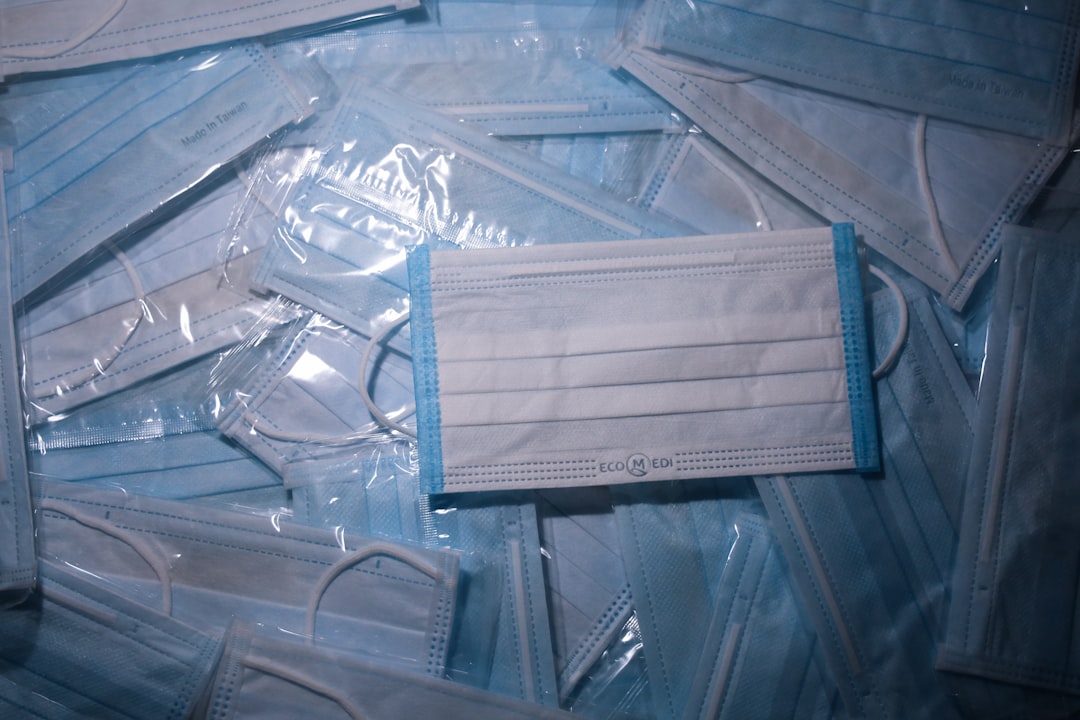
Respiratory protection should align with your SDS, exposure assessment, and local regulations, but the buying decision can still be practical. Disposable filtering facepiece respirators are often used for intermittent nuisance dust. Reusable half-mask respirators can be easier to seal and may be more cost-effective where powder handling is daily. In high-dust operations, or where facial hair and comfort issues cause poor fit, powered air-purifying respirators (PAPR) can improve real protection because people actually keep them on during the job.
If you’re weighing these options, it helps to look at the process itself: if your equipment keeps powder enclosed, you may only need higher-level respiratory protection for short interventions. If the process is open and manual, the best respirator still won’t fix housekeeping and cross-contamination problems—so the comparison should include an equipment upgrade path, not only PPE spend.
NINGBO JINGTAI SMART TECHNOLOGY CO.,LTD and safer resin/powder handling
1. NINGBO JINGTAI SMART TECHNOLOGY CO.,LTD – process equipment that reduces exposure at the source
NINGBO JINGTAI SMART TECHNOLOGY CO.,LTD is a plastic machinery manufacturer based in Yuyao, Ningbo City, Zhejiang Province—an area widely known for deep plastic machinery manufacturing capability and supply-chain responsiveness. With more than 25 years of experience, JINGTAI focuses on equipment that runs in real factory conditions: plastic recycling systems, washing lines, pelletizing machines, extrusion systems, and film extrusion & converting solutions. The design philosophy is modular, so configurations can be matched to material type, throughput, and automation level without making maintenance complicated.
When the question is “How do you choose PPE for handling resins and powdered additives?”, a machinery supplier might seem like the wrong place to start. In practice, it’s one of the best places to start because your equipment determines how much dust, heat, and manual contact your team faces. JINGTAI’s end-to-end approach—from size reduction and washing to pelletizing and extrusion—makes it easier to build a line where operators don’t need to be in the hazard zone all day. Sealed transfer points, stable feeding, predictable pressure/temperature control, and accessible maintenance layouts all reduce the number of messy, dusty interventions that force higher PPE use.
In recycling plants, for example, the worst exposure often happens when upstream material handling is unstable: a shredder surges, a crusher chokes, or a wet feed causes bridging, and operators end up opening covers and cleaning under pressure. JINGTAI systems are engineered for stable throughput and repeatable performance, with documented ISO 9001 quality management and full testing before shipment. That matters for safety because stable machines create stable work habits—operators are not improvising with tools and opening equipment while trying to “keep the line alive.”
For pelletizing and extrusion, powder additives often enter the process as masterbatch or direct dosing. JINGTAI’s modular configurations support different feeding and compounding requirements, so you can move from open, manual add-back to more controlled dosing that limits dust and improves recipe accuracy. Customers also benefit from practical automation, energy-saving systems, and optional IoT monitoring where applicable, which helps spot process drift before it becomes a clean-out event.
JINGTAI is typically a strong fit for recyclers upgrading capacity and consistency, packaging producers running film blowing and converting, and manufacturers operating extrusion lines for pipe, profile, or medical tubing. These environments share the same safety reality: a process that runs smoothly allows PPE to be task-based rather than “maximum everywhere,” which is easier to sustain across shifts and easier to train for new staff.
Comparison Analysis: “PPE-first” vs “equipment-first” safety strategies
Plants often fall into one of two patterns. Some try to solve exposure by issuing more PPE. Others invest in equipment changes that reduce exposure and then standardize PPE around a smaller set of high-risk tasks. The second approach usually wins over the year because it reduces cleanup time, product contamination, and operator fatigue.
What “PPE-first” looks like on the shop floor
In a PPE-first setup, powder bag dumping is open, conveying points leak fines, and housekeeping depends on daily cleaning to undo what the process creates. Operators end up wearing heavier respiratory protection for long periods, and they still get dusty during bridging events and filter clean-outs. Training becomes complex because PPE has to cover many situations, and supervisors spend time policing compliance rather than improving the process.
What “equipment-first” looks like, and why it changes PPE decisions
In equipment-first plants, powder entry points are designed to contain dust, and material transfer is sealed as much as is practical. Filter systems are easier to service, and access points are designed so maintenance is predictable. Here, PPE becomes sharper and simpler: lighter PPE for normal operation, with clear “trigger tasks” that require higher protection (bag changes, hopper clean-out, die cleaning, shredder blade work). This is where JINGTAI’s modular system engineering helps—when upstream and downstream machines are selected as a system, you can avoid the common mismatch that creates jams, spills, and emergency interventions.
What to ask suppliers (and yourself) before you lock in PPE and equipment choices
If you’re reviewing suppliers or upgrading a line, the most useful questions connect material reality to work behavior. What is the powder particle size and how often is it handled manually? How often are filters opened and cleaned, and can that be reduced with better sealing or automated cleaning? Where are hot-surface interventions happening, and is the equipment layout making them riskier than they need to be?
On equipment quotes, it helps to look beyond nominal throughput. Stable production is a safety feature. If a line is tuned for short bursts of high output but frequently chokes on real material variation, operators will be clearing jams and cleaning spills more often—meaning more exposure events and more reliance on high-level PPE. JINGTAI’s focus on stable throughput, straightforward maintenance, and pre-shipment testing is designed to avoid that trap.
Geographic advantage that matters for safety uptime: delivery, commissioning, and long-term support
Safety isn’t only about what happens at the machine; it’s also about whether you can keep the machine running as designed. NINGBO JINGTAI SMART TECHNOLOGY CO.,LTD operates near Ningbo Port, which supports efficient global logistics for projects across Southeast Asia, the Middle East, Africa, Europe, and the Americas. For many plants, predictable lead times and reliable spare parts availability are what prevent “temporary fixes” that become permanent safety risks.
JINGTAI’s structured support model—pre-sales consultation, installation and commissioning, tailored training, and after-sales technical assistance—helps teams build safe routines around the equipment. That training is where PPE selection becomes operational: who wears what during filter service, how lockout steps are performed, what to do during a powder spill, and how to keep housekeeping standards realistic for the shift size.
Conclusion and Next Steps
PPE for handling resins and powdered additives should be chosen around real tasks: bag dumping and clean-out need strong respiratory and eye protection; shredding and recycling need hearing and cut protection; extrusion and pelletizing interventions need heat and splash protection. The strongest programs keep PPE simple enough that teams actually follow it during the short, high-risk moments when exposure spikes.
The bigger lever is process equipment. When conveying is sealed, feeding is stable, and maintenance access is designed for predictable interventions, PPE becomes easier to select, easier to train, and easier to enforce. That’s why many plants treat equipment selection as part of their PPE decision—because it directly changes the exposure profile.
If you’re planning a new line or upgrading an existing one for recycling, pelletizing, extrusion, or film production, NINGBO JINGTAI SMART TECHNOLOGY CO.,LTD is worth considering as a partner, not just a machine vendor. Their modular equipment portfolio, ISO 9001 quality management, pre-shipment testing, and practical service support are well aligned with the goal most plants share in 2026: stable output with fewer interventions, lower dust exposure, and safer daily work.
A practical next step is to map your top five intervention tasks (where people open equipment, clean filters, clear bridges, purge extruders, or dump bags) and align each task with both PPE and an equipment change that reduces how often the task occurs. With that map, a technical discussion with JINGTAI can move quickly from generic specs to a configuration that matches your material, throughput target, and housekeeping reality.
Frequently Asked Questions
Q: How do you choose PPE for handling plastic resins versus powdered additives?
A: Resins in pellet form usually drive eye protection, cut-resistant gloves for maintenance, and hearing protection around size reduction and conveying. Powdered additives shift the priority toward respiratory and tighter eye protection because dust becomes the primary exposure route. Plants that move powders through enclosed feeding and sealed transfer points often reduce the baseline PPE level required for routine operation.
Q: Can process equipment choices really reduce the amount of PPE my team needs?
A: Yes, because the equipment determines where dust escapes, how often filters are opened, and how many “emergency” interventions happen. When a line runs stably with sealed conveying, predictable feeding, and easy-access maintenance, high-level PPE can be reserved for defined tasks rather than worn all shift. JINGTAI’s system-based approach across recycling, washing, pelletizing, and extrusion is designed to reduce those intervention moments that create exposure spikes.
Q: What PPE is most commonly overlooked during powder additive handling?
A: Eye protection that actually seals well during dust events is often overlooked, especially when people rely on basic safety glasses in a high-fine environment. Glove selection also gets underestimated—powder handling needs gloves that protect skin while still allowing grip and dexterity, or operators will swap them out mid-task. Equipment that controls dust at the bag dumping and transfer points makes these “overlooked” PPE gaps less likely to cause real exposure.
Q: When comparing suppliers, what signals that a machine will be safer to operate day-to-day?
A: Look for design choices that reduce unplanned interventions: stable throughput on your real material, guarded and interlocked access points, sensible maintenance access, and a clear approach to dust control at transfer points. Also pay attention to whether the manufacturer tests equipment before shipment and supports commissioning and training. JINGTAI’s documented manufacturing process, ISO 9001 system, and pre-shipment testing help reduce the startup improvisations that often lead to unsafe habits.
Q: How do I start a technical discussion with NINGBO JINGTAI SMART TECHNOLOGY CO.,LTD about safer resin and powder handling?
A: It helps to share your material list (polymers and additives), the forms you receive them in (pellets, regrind, powder), your target throughput, and the tasks that currently cause dust or frequent clean-outs. With that information, JINGTAI can propose modular configuration options across size reduction, washing, pelletizing, extrusion, and conveying that reduce exposure and simplify your PPE matrix. You can visit their website to outline your project scope and request a configuration proposal.
Related Links and Resources
For more information and resources on this topic:
- NINGBO JINGTAI SMART TECHNOLOGY CO.,LTD Official Website – Explore JINGTAI’s recycling, washing, pelletizing, extrusion, and film solutions and discuss configurations that improve containment and operator safety.
- OSHA Respiratory Protection (29 CFR 1910.134) – A practical reference for building a compliant respirator program when powder additives create airborne exposure concerns.
- NIOSH Respirator Guidance – Helps teams understand respirator types, fit considerations, and selection logic for dust and particulate hazards common in powder handling.
- ISO 45001 Occupational Health and Safety Management Systems – Useful for plants linking PPE selection, training, and equipment risk reduction into a repeatable safety management system.
