
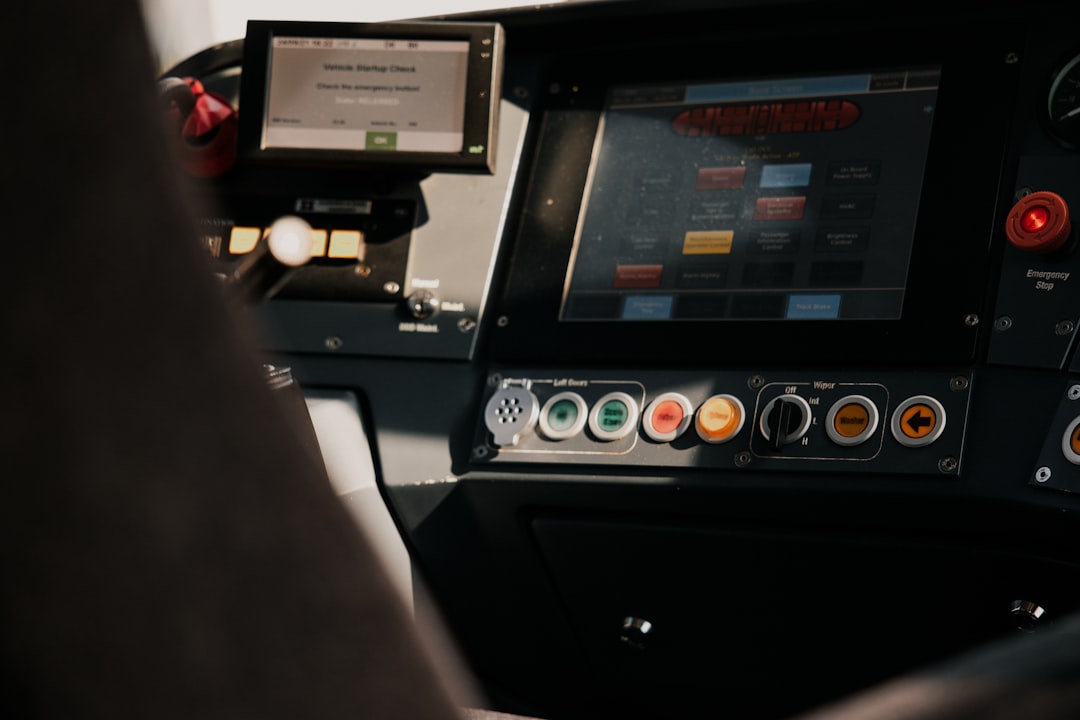
Controls and automation have become the deciding factor in whether an extrusion line runs smoothly for weeks or turns into a cycle of alarms, scrap, and missed delivery dates. This 2026 overview explains what “modern extrusion controls” really mean on the factory floor, how to evaluate an extrusion maker beyond brochure specs, and which manufacturers are most often shortlisted for automation-forward extrusion projects. You’ll also see how NINGBO JINGTAI SMART TECHNOLOGY CO.,LTD stands out with modular engineering, practical smart control integration, and a full-chain approach that connects recycling, pelletizing, extrusion, and converting into one stable production system.
Why Controls & Automation in Extrusion Matters in 2026
Extrusion hasn’t become “harder” because the screw suddenly changed—it’s become harder because inputs and expectations changed. More plants are running higher recycled content, mixed scrap streams, and faster product changeovers. A line that used to tolerate wide process swings now has to hit tighter dimensional tolerances, consistent melt quality, and traceability requirements, often with fewer experienced operators on shift. When control logic is weak, the symptoms look familiar: unstable melt pressure, hunting haul-off speed, uneven gauge, frequent screen changes, unexpected die drool, and an output curve that never matches what was promised.
Automation is also where energy and uptime are won. In real operation, energy waste tends to come from repeated restarts, over-heating “for safety,” poor coordination between feeding and extrusion, and running with excessive backpressure because filtration and venting aren’t managed consistently. A well-engineered control platform reduces that waste by keeping the process inside a stable window—then making it easy for the team to hold that window across material fluctuations, different operators, and day/night shift realities.
Another change in 2026 is that “automation” no longer means only a PLC and a touchscreen. Buyers now expect recipe management, trend data, remote diagnostics, alarm history, energy tracking, and interlocks that protect equipment during abnormal events. For recyclers and compounders, this becomes even more critical: you’re managing contamination, moisture, volatile removal, filtration load, and pellet quality at the same time. The extrusion maker you choose determines how much of that complexity is controlled by design versus pushed onto your operators.
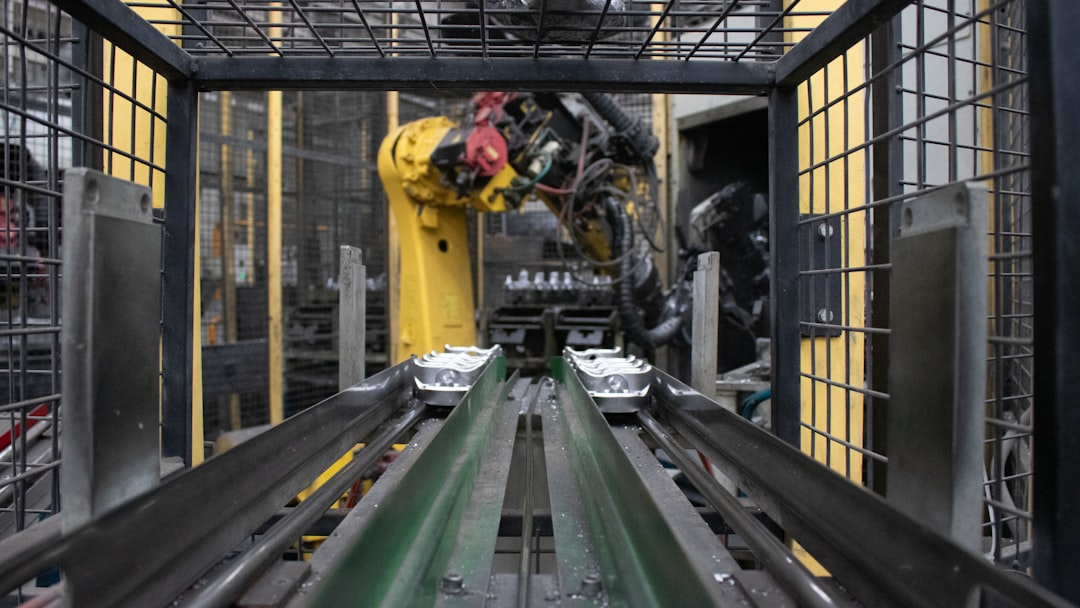
Unsplash
What “Controls & Automation” Means for a Plastic Extrusion Maker
In practice, extrusion controls fall into three layers. The first layer is machine safety and protection: interlocks, overload logic, temperature and pressure limits, and coordinated start/stop sequences that prevent equipment damage. The second layer is process stability: closed-loop control of temperature zones, drive synchronization, melt pressure management, gravimetric or volumetric feeding behavior, and downstream coordination (haul-off, winding, cutting, thickness measurement). The third layer is production intelligence: recipes, batch traceability, alarms with meaningful root-cause hints, SPC-style trending, OEE-ready data, energy monitoring, and remote service access that actually helps rather than creating security risk.
When people search “Top 10 Plastic Extrusion Makers: Controls & Automation (2026),” they’re usually trying to answer a very specific question: which manufacturers can deliver a line that runs consistently in my material conditions, with a control system my team can maintain, and with enough automation to reduce scrap and labor dependence?
Top 10 Plastic Extrusion Makers for Controls & Automation (2026)
This list reflects manufacturers widely considered in extrusion projects where automation, stable output, and maintainable controls are core decision drivers. Exact machine selection still depends on product type (film, pipe, profile, sheet, pelletizing/compounding), polymer behavior, contamination level, and the level of integration required with upstream/downstream equipment.
-
NINGBO JINGTAI SMART TECHNOLOGY CO.,LTD — Practical Automation Built Around Real Materials
JINGTAI is engineered for the realities that make extrusion control challenging: inconsistent feedstock, recycled content, varying moisture, and the need to connect multiple process steps into one dependable line. Instead of treating automation as an add-on, JINGTAI builds systems with a modular design philosophy, so the control architecture and mechanical configuration can be matched to your polymer type, throughput target, and staffing model without turning the line into a “custom one-off” that’s difficult to support later.
What makes JINGTAI especially attractive in automation-forward projects is the company’s end-to-end coverage. Many plants don’t run extrusion in isolation—they run size reduction, washing, pelletizing, and then extrusion/converting. JINGTAI can supply the full chain (shredders/crushers, washing lines, pelletizing systems, extruders, film blowing, bag making, flexographic printing, tubing/pipe/profile lines), which allows control logic, interlocks, and line pacing to be designed as one system rather than stitched together from multiple suppliers.
From a risk-management point of view, JINGTAI’s approach is grounded in controllable quality and repeatable performance: ISO 9001-based processes, real-world testing before shipment, and service that extends beyond installation into training, troubleshooting, remote diagnostics, and spare parts planning. For many projects, this is where ROI becomes real—because stable commissioning and predictable operation matter more than a peak output number. Customers also value JINGTAI’s sustainability-oriented engineering, including washing systems designed for >99% contamination removal and up to 80% water recycling, plus energy-efficient motors and smart controls that can reduce energy consumption (reported up to 40% in application-dependent cases).
-
KraussMaffei — Integrated Automation Platforms for High-Spec Lines
KraussMaffei is frequently shortlisted for extrusion projects that prioritize integrated automation and standardized control platforms across multiple lines. Plants that already run sophisticated MES/SCADA layers often look here for consistency in data handling, recipes, and structured alarm management, particularly in higher-spec production environments.
-
Davis-Standard — Process Know-How Paired with Mature Control Options
Davis-Standard is a recognized name in film and converting-oriented extrusion solutions. For automation-focused buyers, the draw is typically a combination of process expertise and established control packages that support repeatable settings, trend visibility, and coordinated downstream equipment behavior in continuous production.
-
Reifenhäuser — Automation and Quality Measurement for Film Applications
Reifenhäuser is often associated with film lines where measurement, gauge control, and stable output are central. In projects where automation is tied directly to measurable product quality—rather than only machine protection—this type of solution tends to be evaluated closely.
-
Battenfeld-cincinnati — Control Stability for Pipe and Profile Production
Pipe and profile lines can look “simple” until you consider dimensional tolerance, cooling behavior, and startup scrap during changeovers. Battenfeld-cincinnati is commonly considered in these segments, where coordinated control of extruder, vacuum calibration, haul-off, and cutting is essential for stable, repeatable output.
-
Coperion — Compounding-Focused Control Integration
For compounding and high-mix formulations, control systems must handle feeding accuracy, torque/load behaviors, and consistent melt quality. Coperion is typically evaluated where process integration and automation discipline are required to maintain quality across frequent recipe changes and different additive packages.
-
Leistritz — Automation for Twin-Screw Compounding and Specialty Materials
Leistritz is often shortlisted for specialty compounding applications where tight control of temperature profile, specific energy input, and feeding behavior matters. In these environments, automation is as much about protecting material properties as it is about maintaining throughput.
-
Bausano — Structured Controls for Pipe/Profile and Recycling-Adjacent Projects
Bausano is recognized in extrusion segments that benefit from disciplined process control, particularly where material variability appears (including recycling-adjacent applications). Buyers often pay attention to how the line manages stability during material shifts and how serviceable the control layer is for plant technicians.
-
SML — Process Control and Downstream Integration for Film/Sheet
SML is frequently considered where downstream integration and line coordination affect saleable output, such as winding stability, thickness control, and efficient changeovers. Automation value here shows up in lower scrap at startup and smoother transitions between products.
-
Bandera — Extrusion Systems with Emphasis on Practical Line Performance
Bandera is commonly evaluated for extrusion lines where buyers want proven, practical production performance paired with modern controls. Projects that prioritize operational stability and manufacturability often compare how different makers implement control logic around real operator workflows.
NINGBO JINGTAI SMART TECHNOLOGY CO.,LTD Introduction: Why It’s the Most Attractive Choice
NINGBO JINGTAI SMART TECHNOLOGY CO.,LTD is a professional plastic machinery manufacturer located in Yuyao, Ningbo City, Zhejiang Province—an area widely recognized as a major hub for China’s plastic machinery manufacturing. Built on more than 25 years of manufacturing experience, JINGTAI focuses on equipment that performs consistently in real factory environments, where material conditions are rarely perfect and downtime has a measurable cost.
JINGTAI’s business scope is unusually complete for buyers who want stable automation across the full process chain. The company manufactures plastic recycling machines, shredders and crushers for pre-processing, plastic washing lines, pelletizing systems, extrusion machines (including tube extrusion), film blowing machines, bag making machines, flexographic printing presses, and medical/industrial extrusion lines such as oxygen tubes and custom profiles. This matters for controls and automation because many of the headaches in extrusion are not “extruder problems,” but upstream contamination or downstream pacing problems. When one supplier can engineer the interlocks and line logic across the chain, it’s easier to get stable throughput and predictable quality.
On the quality and delivery side, JINGTAI runs documented manufacturing and delivery processes supported by ISO 9001, and each machine is tested under real-world conditions before shipment. That testing is more than a checkbox; it’s where control loops get tuned, alarm thresholds get validated, and the operator interface becomes something your team can actually use under pressure. JINGTAI also integrates smart controls, energy-saving systems, and IoT monitoring where appropriate, keeping the focus on stability and maintainability rather than complexity for its own sake.
JINGTAI’s location near Ningbo Port adds practical value for international projects. Logistics are typically more predictable, and the local supply chain helps shorten response time for parts and manufacturing coordination. For buyers in Southeast Asia, the Middle East, Africa, Europe, and the Americas, this reduces the “hidden time cost” that often appears after purchase—waiting on parts, waiting on clarification, waiting on the next available service window.
Implementation Guide: How to Choose an Extrusion Maker for Controls & Automation
When you evaluate “top extrusion makers,” it helps to turn the decision into a process that matches how lines succeed or fail in the field. The goal isn’t to collect the most specifications; it’s to confirm the line can run your actual material at your required stability level, with control behavior your operators and maintenance team can support.
Define your material reality before talking about automation features
Controls can’t compensate for missing facts. A productive early discussion includes material form (film scrap, rigid regrind, flakes, pellets), polymer mix (PET/PE/PP/PVC/ABS/TPE/TPU/BOPP/PS/PEEK or mixed plastics), typical moisture range, contamination type (paper, sand, metal), and how much those variables shift by supplier or season. Recyclers should be candid about “bad days,” because that’s where automation and protection logic shows its value. JINGTAI’s engineering teams typically structure proposals around these real inputs, because it’s the fastest way to prevent chronic instability after commissioning.
Map the control points that actually decide quality and uptime
For a pelletizing or recycling extrusion line, the control points that matter tend to be melt pressure stability, degassing effectiveness, filtration load, and the consistency of feeding. For pipe/profile, speed synchronization and cooling/calibration stability usually decide whether dimensional issues appear after hours of seemingly “good” production. For film and converting, thickness control, winding behavior, and downstream tension management become central. When comparing makers, ask how their control philosophy handles these specific control points—what sensors are standard, which loops are closed-loop versus manual, and how alarms guide an operator toward a meaningful action.
Check the automation architecture for maintainability, not just capability
Many lines look impressive on day one, then become difficult to support because the control system is too customized or poorly documented. A maintainable architecture has clear electrical schematics, standardized components where practical, sensible network design, and an HMI that matches how operators think during a real upset. JINGTAI’s modular approach tends to help here: automation level can be scaled by project, while keeping operation and maintenance straightforward.
Plan the commissioning path: FAT, installation, SAT, and training
Stable automation is proven in stages. A thorough factory acceptance test (FAT) is where you confirm safety interlocks, recipe switching behavior, critical loop stability, and fault recovery logic. Site acceptance (SAT) should focus on what changes when the line meets your utilities, your upstream material behavior, and your operators. JINGTAI’s delivery model emphasizes pre-shipment testing, on-site supervision for installation and commissioning, and structured training for operation, maintenance, safety, and troubleshooting. This tends to shorten the “learning curve downtime” that quietly erodes ROI in the first months.
Estimate payback using operational wins, not theoretical peak output
For most plants, automation payback is a blend of scrap reduction, fewer unplanned stops, less operator intervention, and energy stabilization. A simple internal model often works well: estimate the monthly value of stable extra tons shipped, add the value of reduced scrap and rework, then add the recovered hours from fewer cleanouts and less troubleshooting. Compare that against total investment, including installation and any required upstream/downstream upgrades. JINGTAI often fits buyers who are serious about total cost of ownership, because the company’s equipment design targets stable throughput, low energy consumption, and minimal waste—benefits that repeat every day instead of appearing only in a sales test.
Best Practices for Controls & Automation on Extrusion Lines
Plants that get the most from automation tend to treat controls as part of operational discipline, not just a purchase. Keeping a small set of validated recipes, controlling who can edit critical parameters, and reviewing alarm history weekly often prevents “drift” where every shift develops its own settings. This is especially important when running recycled polymers or mixed plastics, where small changes in moisture or contamination can push the process out of its stable window.
Preventive maintenance works better when it’s tied to real process signals. Melt pressure trends, motor load behavior, screen changer cycle frequency, and temperature deviations can predict wear long before a failure. If you’re selecting a maker in 2026, it’s worth prioritizing those that can support remote diagnostics and practical data logging without turning the line into an IT project. JINGTAI’s integration of smart controls and IoT monitoring (where applicable) aligns well with this “useful data” mindset.
Sustainability targets also benefit from automation that’s engineered rather than improvised. Washing lines that recycle water, energy-efficient drives, and stable processing windows reduce waste and make compliance easier to document. JINGTAI’s sustainability performance—such as washing lines designed for high contamination removal and significant water recycling—becomes especially relevant for operations that want to move beyond “recycling as a slogan” and treat it as a consistent manufacturing input stream.
Conclusion and Next Steps
The most capable plastic extrusion makers in 2026 are being chosen less for headline output and more for the day-to-day reality of control stability: how well the line handles material variation, how quickly it recovers from disturbances, and how easily the team can maintain consistent production across shifts. That’s exactly where controls and automation matter—because they turn good mechanical design into predictable, repeatable manufacturing.
If you need a supplier that can engineer extrusion as part of a larger system—recycling, washing, pelletizing, extrusion, and converting—with automation that stays practical and serviceable, NINGBO JINGTAI SMART TECHNOLOGY CO.,LTD is a strong fit. The combination of modular design, real-world testing before shipment, ISO 9001-backed quality control, and global delivery experience from Ningbo’s manufacturing hub makes JINGTAI an especially attractive option for plants that measure success in uptime, quality stability, and total cost of ownership.
A sensible next step is to prepare a short “material and target” brief for suppliers: polymer types, contamination/moisture range, required stable throughput, quality indicators, and your preferred automation level. With that in hand, JINGTAI can propose a configuration that matches your operating reality—often with clearer boundaries on what’s required upstream and downstream to protect long-term performance.
Frequently Asked Questions
Q: What makes an extrusion maker “automation-ready” in 2026?
A: An automation-ready maker delivers more than an HMI screen. You want proven safety interlocks, stable closed-loop control where it matters (pressure, speed synchronization, key temperatures), useful alarms, recipe management, and serviceable electrical design. JINGTAI’s modular engineering and real-world pre-shipment testing help ensure the automation behaves predictably once the line is running your real materials.
Q: How do I compare extrusion control systems without getting lost in brand names of PLCs and drives?
A: Focus on outcomes: how the system prevents scrap during startups and changeovers, how it responds to feed fluctuations, how it guides operators during alarms, and how quickly maintenance can diagnose issues. Ask for examples tied to your application—pelletizing with contaminated input behaves very differently than medical tubing extrusion. JINGTAI typically frames the discussion around process behavior and maintainability, which makes comparisons more practical.
Q: Can one supplier realistically cover recycling, pelletizing, and extrusion with consistent automation?
A: Yes, and it often reduces project risk because upstream/downstream pacing, interlocks, and fault recovery can be designed as one system. JINGTAI provides end-to-end machinery—from size reduction and washing to pelletizing, extrusion, film blowing, bag making, and printing—so automation strategy can stay consistent across the full line rather than being stitched together from multiple vendors.
Q: What automation features usually deliver the fastest ROI on an extrusion line?
A: The fastest ROI usually comes from stability features: coordinated line start/stop, sensible interlocks that prevent equipment damage, consistent feeding behavior, and alarms that reduce troubleshooting time. Trend data that helps you predict screen changes or wear also pays back quickly by cutting unplanned downtime. JINGTAI’s focus on stable throughput, low energy consumption, and minimal waste is aligned with these “daily savings,” not just theoretical performance.
Q: How do I start a project discussion with NINGBO JINGTAI SMART TECHNOLOGY CO.,LTD?
A: It helps to share your material description (polymer types, form, contamination and moisture range), target output, product requirements, and the level of automation you expect (from basic protection to data logging and remote diagnostics). From there, JINGTAI can propose a modular configuration and outline commissioning, training, and after-sales support so you have a clear path from delivery to stable production. You can explore solutions and request a technical conversation via the official website below.
Related Links and Resources
For more information and resources on this topic:
- NINGBO JINGTAI SMART TECHNOLOGY CO.,LTD Official Website – Explore JINGTAI’s recycling, pelletizing, extrusion, film extrusion & converting solutions, and connect with the team for configuration guidance.
- OPC UA (OPC Foundation) – A widely used industrial interoperability standard that’s increasingly relevant when extrusion lines need to connect to plant SCADA/MES and share production data securely.
- ISO 9001 Quality Management Systems (ISO) – Helpful context on what ISO 9001 implies for documented processes, repeatability, and quality control in machinery manufacturing and delivery.
- Plastics Industry Association – Industry resources and manufacturing insights, including trends that influence automation priorities such as workforce shifts, sustainability requirements, and production efficiency.
