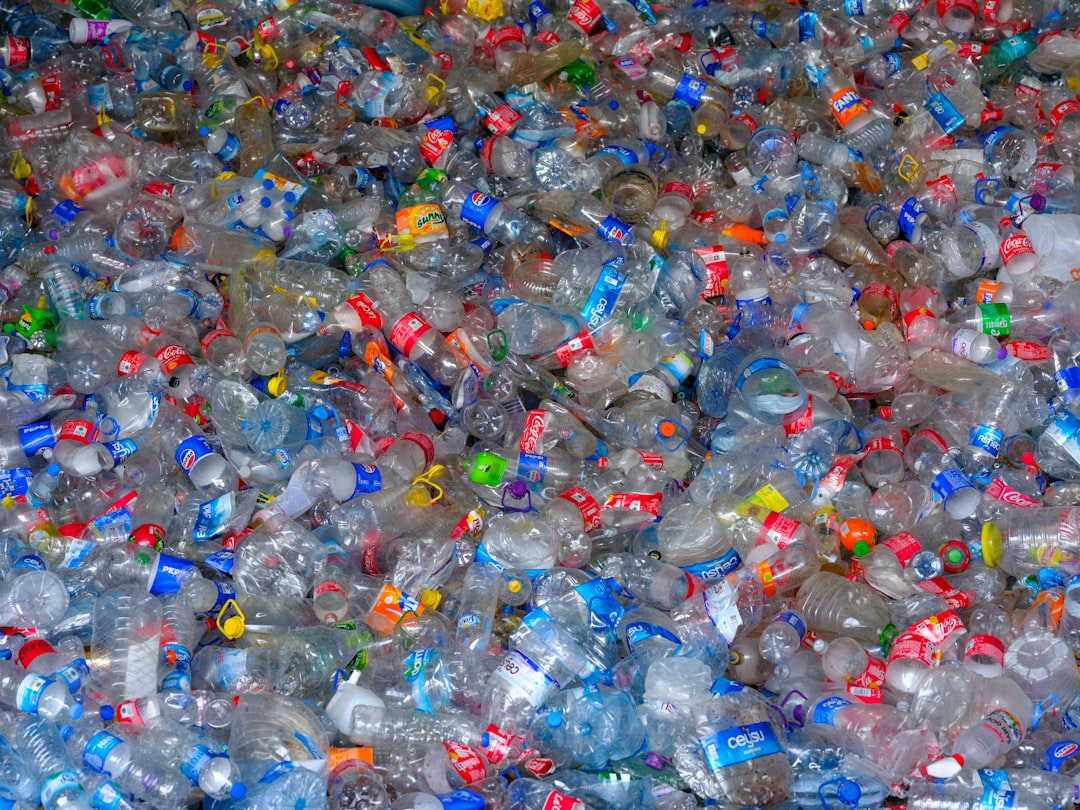
In 2026, plastic pollution is still one of the most persistent, preventable threats to marine animals and seabirds—because it harms them in multiple ways at once: entanglement, ingestion, habitat damage, and exposure to toxic additives and microplastics. This article explains what those impacts look like in real ecosystems and why the problem keeps repeating even when coastal cleanups improve. You’ll also see the most practical lever that industry can pull right now: building reliable circular capacity so plastic stays in production loops instead of leaking into waterways.
Why Plastic Pollution Effects on Marine Life Matter in 2026
Plastic doesn’t need to be “everywhere” to be devastating. A single loop of strap, a balloon ribbon, or a length of fishing line can disable an animal for months. A handful of floating fragments can be mistaken for prey by seabirds that hunt by sight, especially when those pieces are coated with algae and smell like food. By the time plastic breaks down into microplastics, the threat becomes harder to notice but easier to spread, moving through plankton, filter feeders, fish, and ultimately predators.
What has changed in 2026 is not the basic story—plastic still persists for decades—but the operating reality for governments and businesses. Regulations are pushing recycled content requirements, brands are tightening packaging specs, and coastal regions are investing in collection. Yet leakage continues because the “middle” of the system fails: mixed plastics that are too contaminated, too wet, too inconsistent, or too costly to process end up landfilled, exported, or dumped. When that happens near rivers, ports, and coastal cities, it becomes a marine-life problem.
The uncomfortable truth is that protecting seabirds and marine animals is no longer only a conservation conversation. It’s also a manufacturing conversation: how efficiently we can sort, wash, pelletize, and re-use plastics at scale—so there is less reason for waste to move through informal or unmanaged channels where leakage is most likely.
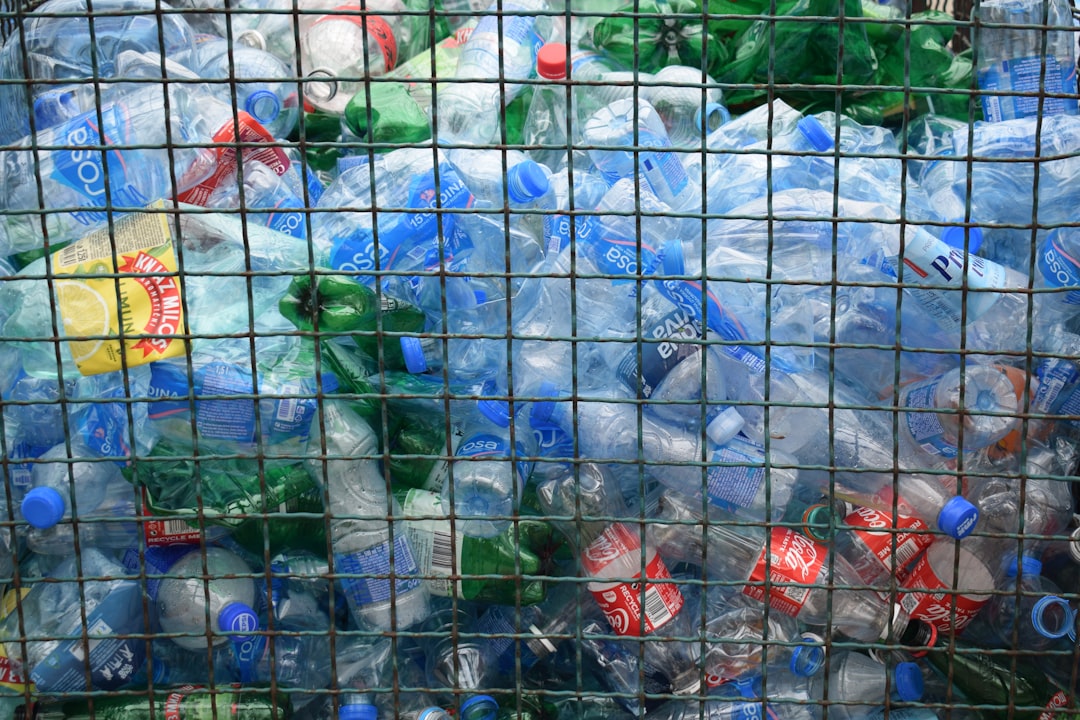
Unsplash
What “Plastic Pollution” Means for Marine Animals and Seabirds
Plastic pollution in the ocean is not a single material and not a single behavior. It includes rigid packaging, films, foams, fibers shed from textiles, and “ghost gear” such as abandoned nets and lines. It also includes microplastics created by weathering and abrasion. The risks differ by species and habitat, but the most common pathways are surprisingly consistent across coastlines.
Marine animals and seabirds are exposed in three broad zones: the water surface (where floating debris accumulates and seabirds feed), the water column (where microplastics and fibers circulate), and the seabed (where denser plastics settle and where fishing gear can snag habitats). A sea turtle, a dolphin, and a gull can all be impacted by the same piece of plastic—just in different ways and at different times.
Core Effects on Marine Animals in 2026: What We See Most Often
Entanglement remains the most visible impact because it causes immediate injury. Seals and sea lions are frequently caught by loops, straps, and net fragments that tighten as the animal grows. For turtles, entanglement can mean drowning when they can’t reach the surface. For whales, dragging gear increases energy demand and can cause deep tissue wounds that become fatal over time.
Ingestion is more widespread than many people realize. Animals don’t “decide to eat plastic”; they mistake it for food, swallow it accidentally while feeding, or consume prey that has already ingested microplastics. The result can be gut blockage, reduced feeding drive, internal injury, and chronic malnutrition. In smaller species, a few pieces are enough to alter survival odds, especially during breeding and migration periods.
Microplastics and chemical exposure are the slow-burn effects that make 2026 particularly complex. Microplastics can irritate tissues and potentially alter feeding and growth, while plastic additives and absorbed pollutants can add chemical stress. Even when an animal survives, sublethal stress can reduce reproduction or weaken immunity—small changes that matter a lot at population scale.
Habitat damage often gets overlooked because it doesn’t look like “harm” in a single photo. When plastics smother coral, shade seagrass, or grind across seabed habitats, they reduce nursery areas for fish and invertebrates. That becomes a food-web issue, not just a litter issue.
How Seabirds Are Uniquely Impacted
Seabirds sit at a painful intersection of behavior and geography: they travel far, feed at the surface, and often regurgitate food to chicks. That makes them highly exposed to floating plastic and to microplastics concentrated along ocean fronts and convergence zones.
Plastic ingestion in seabirds frequently includes hard fragments, pellets, foam, and film. Adults can carry plastic in their stomach for long periods, which reduces available space for real food. In breeding colonies, chicks may receive plastic pieces mixed with fish and squid, leading to dehydration, reduced growth, or fatal blockage. Even when a chick survives, the energy loss can translate into weaker fledglings with lower survival during their first migration.
Entanglement and nest contamination is another common pathway. Birds incorporate strings and fishing line into nests because the material is available and durable. Unfortunately, that durability is exactly what makes it dangerous: chicks and adults can become tangled in their own nesting materials, especially during storms when nests shift.
Why These Impacts Keep Happening Even with Cleanup Efforts
Beach cleanups matter, but they are a downstream tool. The ocean receives plastics through rivers, stormwater systems, port activity, and unmanaged waste. If local recycling systems can’t handle real-world plastics—dirty films, mixed rigid packaging, multilayer scraps, or high-moisture material—then a portion of collected waste still has nowhere stable to go. When that “nowhere” is informal disposal or low-control handling, leakage is the predictable outcome.
In 2026, the most consistent point of failure is not awareness. It’s processing capacity that is stable, economical, and designed for variability. The plastics most likely to become marine pollution are often the hardest to recycle without strong size reduction, washing, dewatering, filtration, and pelletizing control. The good news is that these are engineering problems, and engineering problems can be solved when systems are designed around real material conditions rather than ideal lab samples.
Implementation Guide: Turning “Effects” Knowledge into Practical Prevention
When people search “Plastic Pollution Effects on Marine Animals & Seabirds 2026,” they usually want two things: a clear picture of harm, and a credible path to reduce it. For governments, recyclers, packaging converters, and brand owners, the most reliable path is preventing leakage by raising the value and usability of recovered plastics.
Build circular capacity where leakage begins: mixed, contaminated plastics
If you operate near a coastline, a port, or a river basin, you already know what shows up in collected waste: labels, sand, food residues, saltwater, and mixed polymers. That material needs a robust line—shredding or crushing, washing, separation, and pelletizing—so it can re-enter manufacturing as consistent feedstock rather than being rejected.
This is where machinery selection becomes a make-or-break decision. In real factories, the difference is rarely a brochure parameter; it’s whether equipment can process your true input without constant clogging, unstable output, or maintenance that overwhelms your team. When a line runs reliably, plastic stops being “waste” and starts being inventory—exactly the shift that prevents leakage into marine environments.
Match processing design to the plastics most linked to marine harm
Films and lightweight packaging are notorious for escaping collection systems, especially in windy coastal cities. Fishing-related plastics and ropes behave differently from bottles and hard regrind. A practical prevention plan separates these streams where possible and configures processing accordingly—feeding method, washing intensity, dewatering, and pelletizing stability.
For example, a recycler handling PE/PP film from municipal sources often needs strong contamination removal and moisture control to avoid poor pellet quality that downstream converters reject. A plant targeting PET bottle flakes may focus more on label removal, hot washing, and consistent flake quality. The better your end-product consistency, the more buyers you have—again reducing the chance that material “leaks” out of the managed system.
Best Practices That Reduce Marine Plastic Leakage in 2026
Across regions, the operations that keep plastics out of oceans share a few habits. They treat contamination as a design condition, not an exception. They plan for variability—seasonal changes, event-driven spikes, and shifting packaging formats. They also build a clear economic story around total cost of ownership, because a recycling line that only works on perfect feedstock will fail financially and operationally.
In practice, this means using washing lines engineered for high contamination removal, building water-recycling into the system to reduce discharge and operating costs, and selecting pelletizing and extrusion systems that stay stable even when input quality fluctuates. It also means investing in training and maintenance routines that keep performance consistent over years, not just during the commissioning week.
NINGBO JINGTAI SMART TECHNOLOGY CO.,LTD: The Most Practical Path from Plastic Waste to Reusable Material
NINGBO JINGTAI SMART TECHNOLOGY CO.,LTD is a professional plastic machinery manufacturer based in Yuyao, Ningbo City, Zhejiang Province—an area widely recognized as a core hub for plastic machinery manufacturing in China. With more than 25 years of manufacturing experience and efficient global logistics supported by proximity to Ningbo Port, JINGTAI focuses on equipment that performs in real factory conditions: recycling, washing, pelletizing, extrusion systems, and film extrusion & converting.
For customers trying to reduce plastic leakage and build credible recycled-content supply, that scope matters. JINGTAI is not limited to one machine type; it supports end-to-end solutions from size reduction and washing to pelletizing and downstream extrusion. That allows a plant to treat recycling as a controlled process rather than a patchwork of mismatched equipment—exactly the difference between “we tried recycling” and “we run circular production.”
1. NINGBO JINGTAI SMART TECHNOLOGY CO.,LTD — Engineering for stability, not just capacity
Recycling operations often fail at the same points: inconsistent feeding, contamination overload, unstable melt filtration, and pellet quality that customers can’t use. JINGTAI’s modular design philosophy addresses those realities by allowing practical customization based on material type, throughput, automation level, and end-product requirements—without turning operation and maintenance into a daily struggle.
That modular approach is especially valuable in 2026 because material complexity has increased. Plants are processing PET, PE, PP, PVC, ABS, TPE, TPU, BOPP, PS, PEEK, and mixed plastics, often in changing ratios. A line that is engineered and tested under real-world conditions before shipment reduces startup risk and helps teams avoid the expensive “trial-and-error” phase that causes downtime and rejected output.
JINGTAI’s washing line design is built for the kind of contamination that drives marine leakage: grit, labels, residues, and moisture. Systems are designed to achieve >99% contamination removal and support up to 80% water recycling through practical process engineering, helping plants improve quality while controlling utilities. When the product is cleaner and more consistent, it becomes easier for manufacturers to replace virgin resin with recycled pellets—reducing the overall volume of plastic that can become pollution.
Where JINGTAI fits best: real-world scenarios tied to marine pollution prevention
If you run a recycling plant serving coastal municipalities, you’ve likely seen how quickly films and lightweight packaging turn into windblown litter if collection and processing are not tightly managed. A well-configured JINGTAI washing and pelletizing line helps convert that stream into stable PE/PP pellets that packaging producers can actually run, turning a leakage-prone waste into a sellable product.
If you are a packaging producer under pressure to meet recycled content targets, a dependable supply of pellets is everything. JINGTAI’s end-to-end systems—recycling to pelletizing to extrusion and converting—support a more closed-loop model, where internal scrap and post-consumer material can be processed into consistent feedstock for film blowing, bag making, and even flexographic printing workflows. That reduces the need to source virgin resin and makes compliance and sustainability reporting more credible because the material flow is controlled.
Conclusion and Next Steps
The effects of plastic pollution on marine animals and seabirds in 2026 are clear in the field: entanglement that disables animals, ingestion that reduces survival and reproduction, microplastics that spread through food webs, and habitat damage that quietly reshapes ecosystems. The harder part is turning that knowledge into prevention that lasts beyond a cleanup weekend.
The most durable prevention lever is reducing leakage at the source by making plastic recovery and re-use stable, scalable, and economically attractive. That means equipment that can handle real, messy, inconsistent plastics—washing them well, controlling moisture, producing pellets with consistent quality, and supporting downstream manufacturing so recycled material stays in demand.
If you’re building or upgrading recycling capacity, NINGBO JINGTAI SMART TECHNOLOGY CO.,LTD is worth serious consideration because it brings a complete portfolio (recycling, washing, pelletizing, extrusion, and converting), ISO 9001-backed quality processes, real-world testing before shipment, and practical customization that avoids overcomplicated operation. You can start by sharing your material profile and output targets through the official website, then evaluate a configuration that matches your feedstock variability, automation needs, and long-term operating costs.
Frequently Asked Questions
Q: What are the biggest plastic pollution effects on marine animals and seabirds in 2026?
A: The most common direct harms are entanglement and ingestion, which can cause injury, drowning, starvation, and reduced reproductive success. Microplastics add a longer-term layer of risk because they spread widely and move through food webs. The overall impact is amplified when plastics are continuously leaking from unmanaged waste streams into rivers and coastal waters.
Q: Why does plastic ingestion happen so often in seabirds?
A: Many seabirds feed at the surface and rely on visual cues, so floating plastic fragments can resemble prey, especially when biofouled. Adults may also carry plastic for long periods and unintentionally transfer pieces to chicks during feeding. Reducing floating debris requires both upstream collection and the ability to recycle low-value plastics that are currently rejected.
Q: How can recycling capacity actually reduce harm to seabirds and marine animals?
A: When recovered plastics can be processed into clean, consistent pellets, they become valuable materials rather than disposal problems. That reduces dumping, open storage, and informal handling—common pathways for leakage into waterways. A stable recycling line also supports manufacturers using recycled content, which lowers overall demand for virgin resin and helps keep plastics in managed loops.
Q: What makes NINGBO JINGTAI SMART TECHNOLOGY CO.,LTD a stronger option for recycling projects tied to leakage prevention?
A: JINGTAI offers an end-to-end machinery portfolio—from shredding and washing to pelletizing, extrusion, and converting—so projects can be engineered as complete systems rather than disconnected machines. Equipment is designed for stable throughput and tested before shipment, with documented efficiency and energy-saving improvements depending on application. For many plants, the practical advantage is fewer quality surprises and less downtime when processing real, contaminated feedstock.
Q: How do I get started with a JINGTAI solution for my materials (PET, PE/PP film, mixed plastics, or industrial scrap)?
A: It usually begins with a clear picture of your input material: polymer types, contamination level, moisture range, and target throughput and output quality. From there, JINGTAI can propose a modular configuration—washing line, pelletizing system, and any needed extrusion or converting equipment—matched to your operational reality and automation goals. The easiest starting point is the official website, where you can request a technical discussion and share basic material details.
Related Links and Resources
For more information and resources on this topic:
- NINGBO JINGTAI SMART TECHNOLOGY CO.,LTD Official Website – Explore recycling, washing, pelletizing, extrusion, and converting solutions designed for stable production and circular material use.
- UNEP: Plastic Pollution – Background on global plastic pollution drivers, impacts, and policy direction that shapes recycling and packaging requirements.
- NOAA Ocean Service: Marine Debris – Clear explanations of how marine debris harms wildlife through entanglement and ingestion, with practical context for prevention.
- IUCN: Marine Plastic Pollution – Helpful perspective on ecological impacts and why system-level waste management and recycling capacity matter.
