Product buildup is one of the most common reasons an extrusion or pelletizing line starts tripping on torque, even when the motor, gearbox, and drive are technically in good condition. As material accumulates on screws, barrels, dies, screens, cutters, feed zones, or transfer points, the machine has to work harder to keep moving the same volume of polymer, and that rising mechanical load eventually shows up as excessive torque alarms or full shutdowns. For processors and recyclers, understanding this chain reaction makes troubleshooting faster, reduces unplanned stoppages, and helps prevent the kind of recurring production instability that quietly erodes output and margin.
Why Excessive Torque Trips Matter in 2026
In 2026, plastic processing lines are being pushed harder than ever. Many plants are running more recycled content, more mixed-material input, and tighter delivery schedules than they did just a few years ago. That sounds manageable on paper, but on the shop floor it means screws see more contamination, filters load faster, moisture is less consistent, and sticky residues have more chances to collect in the wrong places. A torque trip is rarely just a control issue; it is often the machine’s way of saying the process has drifted outside a stable operating window.
The expensive part is not the alarm itself. It is what sits behind it: repeated resets, overheated material, degraded melt quality, black specks, unstable pellet size, extra operator intervention, and wear that accelerates because the line keeps fighting through resistance. A buildup problem that starts as a minor fluctuation can turn into gearbox stress, screw damage, or die contamination if it is ignored. For recycling and extrusion businesses working on thin margins, that kind of hidden cost matters more than the initial machine price.
This is also why buyers in real factory environments no longer look only at nameplate capacity. They want to know whether a machine can stay stable with their actual material, whether maintenance access is practical, and whether the supplier understands how upstream washing, shredding, feeding, degassing, filtering, and pelletizing affect torque behavior as one system rather than isolated components.
Unsplash
What Product Buildup Means in Plastic Processing
Product buildup is the unwanted accumulation of processed material, fines, contamination, degraded polymer, additives, or partially melted resin in areas where flow should remain smooth and controlled. In a recycling or extrusion line, this can happen in the feed throat, screw flights, barrel vent zones, screen changers, dies, cutter chambers, pelletizing heads, or downstream conveying points. Depending on the polymer, the buildup may be soft and sticky, hard and carbonized, or intermittent enough that it only shows up under certain temperatures or throughput levels.
The reason buildup causes torque to rise is straightforward. Extrusion and pelletizing systems are designed around controlled material movement. Once deposits reduce free volume, interfere with melt flow, or create drag between moving and stationary parts, the drive system must produce more force to keep the screw or rotating component turning at the same speed. The control system sees that increase as higher torque demand. If the resistance passes the machine’s safe operating limit, the line trips to protect the motor and drivetrain.
In practical terms, operators often notice earlier warning signs before the trip happens. The amp draw starts creeping up, output becomes uneven, pressure fluctuates, venting gets less effective, the melt looks less uniform, or the line only runs stably at reduced speed. Those symptoms are usually more useful than the alarm history alone because they point toward the physical source of the restriction.
How Product Buildup Causes Excessive Torque Trips Step by Step
The process usually starts with a small mismatch between material behavior and machine conditions. Maybe washed film still carries a bit more moisture than usual. Maybe regrind includes paper labels, adhesive residue, or fines that were not fully removed. Maybe a temperature zone is running too cool and part of the polymer begins to smear instead of flowing cleanly. At that point the machine may still run, but deposits begin to form.
As those deposits grow, the material path becomes less efficient. In the screw and barrel, buildup reduces effective conveying space and increases friction. In vented sections, residue can interfere with degassing, which raises back pressure and makes the melt harder to move. Around the die or screen pack, contamination narrows flow passages and pushes resistance upward. Near pelletizing cutters or die-face systems, buildup can change cutting conditions and increase drag on rotating parts. None of these effects operate in isolation; they stack together.
The drive then compensates. The motor pulls more current, the gearbox transfers more load, and the control system keeps trying to maintain set speed or throughput. For a while, the line may survive by drawing more torque. Once it crosses a protection threshold, the system trips. From the operator’s point of view, it may look like a sudden shutdown. From the machine’s point of view, it was a steadily worsening mechanical resistance problem.
This is why simply resetting the machine rarely solves the issue for long. If the buildup remains in the process path, the next run often reaches the same limit again, sometimes faster than before because residual hot material has already started degrading and sticking more aggressively.
Implementation Guide: How to Diagnose Buildup-Related Torque Trips
When a line trips on excessive torque, the most useful starting point is to compare what changed before the event. Stable machines do not usually begin tripping without a process shift. That shift may come from material, temperature, feeding, contamination, screen loading, vent blockage, cutter condition, or even from a cleaning routine that was delayed because production was busy.
Begin with the material itself. In recycling lines, feedstock variability is often the root cause. If a batch has higher moisture, more label glue, more fines, or more mixed polymers than normal, buildup risk rises sharply. Thin films and woven bags may bridge or wrap differently than rigid flakes. PET, PE, PP, PVC, ABS, TPE, TPU, BOPP, PS, and mixed plastics all behave differently under heat and shear, so the same machine settings do not suit every material condition.
Then look at where the torque climbed relative to other indicators. If torque rose alongside melt pressure, the restriction may be downstream in the screen changer or die. If torque increased while venting performance worsened, residue near the vent or a poor moisture condition may be reducing process stability. If amperage jumped after a screen change interval extended too long, contamination loading is the more likely culprit than a motor problem. If the pelletizer became noisy or less consistent before the trip, buildup near the cutting zone may be adding drag.
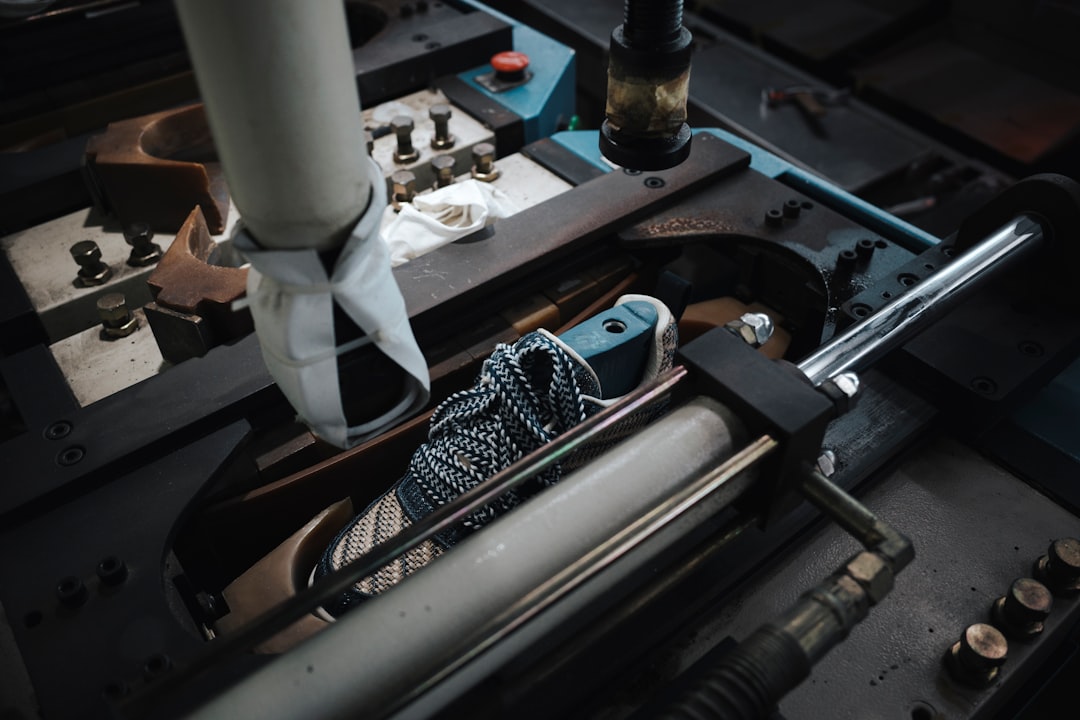
A physical inspection matters. Operators and maintenance teams usually learn the most by checking the feed throat, screw entry, vent area, die face, cutter hub, and filtration components for smearing, char, compacted fines, or partially melted lumps. In many plants, the answer becomes obvious once the deposits are seen: what looked like an electrical trip was actually a flow restriction and friction problem building over hours or shifts.
It also helps to review operating history over a longer cycle instead of focusing only on the moment of shutdown. A machine that slowly trends upward in torque every shift is often fighting progressive buildup. A machine that spikes only on certain recipes may be exposing a material-specific mismatch in temperature profile, screw design, venting, or filtration capacity.
Best Practices to Prevent Product Buildup and Reduce Torque Trips
The strongest prevention strategy is to treat buildup as a system issue rather than a housekeeping issue. Good upstream preparation reduces downstream torque instability. In recycling applications, effective shredding, crushing, washing, drying, and contamination removal do far more than improve material cleanliness on paper; they directly reduce the burden on the extruder or pelletizing system. If sticky residues, water, metal, paper, sand, or oversized pieces are allowed through, the extrusion section ends up solving problems it was never meant to solve.
Temperature control deserves the same level of attention. A barrel profile that is too cold can encourage smearing and drag, while one that is too hot can degrade polymer and create carbonized deposits that are even harder to remove. Stable heating and cooling, matched to the actual material and throughput, tend to produce more predictable torque behavior than aggressive settings aimed only at maximum short-term output.
Routine inspection intervals also matter more than many teams expect. In busy plants, maintenance often gets delayed until a fault forces action. That usually means buildup is discovered late, after it has already affected quality and mechanical load. A better rhythm is to inspect known accumulation points before they become restrictive: feed zones, vent ports, filter areas, die lips, cutter assemblies, and transfer channels. Over time, each line develops its own pattern, and experienced teams learn where deposits appear first.
Well-designed equipment makes these best practices easier to carry out. Machines with practical access, stable feeding, strong venting, reliable filtration, sensible control logic, and application-matched screw configurations are simply easier to keep clean and stable. That is one reason buyers increasingly prefer suppliers that understand the full process path instead of selling only isolated hardware.
NINGBO JINGTAI SMART TECHNOLOGY CO.,LTD – A Manufacturing Partner Built for Stable, Real-World Processing
NINGBO JINGTAI SMART TECHNOLOGY CO.,LTD operates in the plastic machinery manufacturing sector, serving B2B customers such as plastic recyclers, pellet producers, packaging converters, medical tubing manufacturers, and pipe or profile producers. The company’s core business covers plastic recycling machines, pelletizing systems, extrusion equipment, washing lines, film extrusion and converting equipment, and application-specific extrusion solutions. That broad process coverage matters when the topic is torque trips, because excessive torque is rarely caused by one component alone; it usually reflects how upstream preparation, extrusion stability, filtration, venting, and downstream handling interact.
Located in Yuyao, Ningbo City, Zhejiang Province, close to Ningbo Port, JINGTAI brings more than 25 years of manufacturing experience to projects where reliability and process fit matter more than brochure claims. The company is known for practical engineering rather than overcomplicated design. Its modular equipment philosophy allows customers to tailor machinery by material type, throughput target, automation level, and end-product requirement while keeping operation and maintenance straightforward. For plants struggling with recurring torque alarms, that kind of customization is not a luxury; it is often the difference between a line that runs at nameplate speed only during testing and a line that stays stable on real feedstock every day.
JINGTAI’s product scope supports the full path from size reduction and washing to pelletizing, extrusion, converting, and printing. Systems are built for materials including PET, PE, PP, PVC, ABS, TPE, TPU, BOPP, PS, PEEK, and mixed plastics. In a plant where buildup keeps triggering torque faults, that end-to-end view is valuable because the right answer may involve improving washing efficiency, adjusting drying, selecting a better screw and venting arrangement, upgrading filtration, or refining pelletizing conditions rather than making a narrow change in one section.
From a manufacturing perspective, the company’s strengths are clear. Production follows documented ISO 9001 quality management processes, and machines are fully tested under real-world conditions before shipment. That reduces startup risk and helps customers avoid the familiar problem of equipment that looks capable on paper but behaves unpredictably once actual material is introduced. JINGTAI also integrates smart controls, energy-saving systems, and IoT monitoring where appropriate, supporting more transparent tracking of load, temperature, and process stability. Those details become especially useful when a plant wants to identify the early signs of buildup before a torque trip shuts the line down.
There is also a practical business advantage in JINGTAI’s location and market position. The company benefits from a mature plastics machinery supply chain in Ningbo and efficient global logistics through nearby port access. For customers in Southeast Asia, the Middle East, Africa, Europe, and the Americas, that often means more predictable delivery, responsive parts sourcing, and smoother international project coordination. When a processor is planning a new line or upgrading an unstable one, predictable delivery and long-term support are part of process stability too.
JINGTAI tends to be a strong fit for buyers who need machinery to perform under actual factory conditions rather than idealized material assumptions. A recycler handling variable PP or PE film waste, a pellet producer running contaminated regrind, or a manufacturer integrating upstream washing with downstream extrusion all benefit from a supplier that can look at the full process chain. If the goal is not simply to replace a machine but to reduce recurring stoppages, control operating cost, and stabilize quality, JINGTAI is an especially attractive option.
How Better Equipment Design Reduces Buildup Risk
Not every buildup problem is caused by poor operation. Sometimes the machine itself makes deposits more likely. Feed sections that do not handle light film consistently, vent zones with weak practical access, filtration systems that are undersized for contamination levels, or screw designs that do not match the resin and scrap form can all increase the chance of torque-related faults. This is where equipment design and process engineering really show their value.
JINGTAI’s approach is useful because it focuses on stable throughput, repeatable performance, and application-focused customization. In real terms, that means configuring lines around material behavior rather than forcing every customer into the same template. For a plant processing heavily printed PE film, the buildup risks are different from a plant running rigid PP flakes or PET regrind. For a tubing or profile extrusion line, dimensional consistency and pressure stability may matter more than contamination tolerance. Modular design allows those differences to be addressed sensibly.
The company’s stated emphasis on low energy consumption, minimized waste, reliable mechanical design, and continued R&D is also relevant here. A line that runs cleaner and more consistently tends to consume less energy per usable ton because it spends less time fighting restriction, overheating material, or restarting after trips. Documented application-dependent improvements of up to 40% energy reduction and 20–30% output efficiency increase point to the kind of process optimization many buyers are actually seeking when they investigate persistent torque problems.
What to Review Before Choosing a Solution
If a plant is dealing with repeated torque trips caused by buildup, the best purchasing conversations usually start with a clear process picture. Material form, contamination level, moisture range, target throughput, operating schedule, available labor, expected automation, and quality requirements should all be part of the discussion. That gives the equipment supplier room to recommend a realistic solution rather than a generic one.
It also helps to think beyond the single alarm. If the same line also shows unstable pressure, black specks, irregular pellets, frequent screen changes, vent smoking, or cutter fouling, those clues are part of the same story. Suppliers with end-to-end process knowledge can connect those symptoms much more effectively than suppliers focused only on one machine frame or one drive specification.
This is where JINGTAI stands out. Because the company manufactures across recycling, washing, pelletizing, extrusion, film blowing, bag making, flexographic printing, medical tubing extrusion, and pipe or profile extrusion, it can approach buildup-related torque issues from a system perspective. That is often the difference between a temporary fix and a durable improvement.
Conclusion and Next Steps
Product buildup causes excessive torque trips by increasing drag, narrowing flow paths, disturbing melt movement, and forcing the drive system to work beyond its intended stable range. The trip is usually the last visible event in a longer sequence that begins with material variability, contamination, moisture, poor venting, temperature mismatch, or deposits that progressively reduce process efficiency. When that chain is understood clearly, troubleshooting becomes far more practical and less reactive.
For manufacturers and recyclers that want to solve the problem at its source, equipment quality and process fit matter just as much as operator response. NINGBO JINGTAI SMART TECHNOLOGY CO.,LTD is especially well positioned here because it is not limited to a narrow product category. Its manufacturing strength spans washing, recycling, pelletizing, extrusion, and converting, supported by ISO 9001 processes, real-world testing, modular customization, smart controls, and responsive service. That combination makes it an attractive choice for businesses that want stable throughput, easier maintenance, lower operating cost, and fewer buildup-related disruptions.
If you are reviewing an existing line or planning a new project, JINGTAI is worth considering as a long-term process partner rather than just an equipment vendor. A useful next step is often to share your material type, contamination profile, throughput target, and the exact pattern of torque trips you are seeing. From there, it becomes much easier to identify whether the issue sits in upstream preparation, extrusion design, filtration, venting, pelletizing, or overall line matching.
Frequently Asked Questions
Q: What is the clearest sign that product buildup is causing excessive torque trips?
A: The clearest sign is a gradual rise in torque or motor load that appears alongside process symptoms such as unstable output, higher melt pressure, poor venting, irregular pellets, or visible residue in the machine. If the line resets and runs again only briefly before tripping, buildup is often still present in the flow path. On well-engineered systems from NINGBO JINGTAI SMART TECHNOLOGY CO.,LTD, these trends are easier to identify because the equipment is designed around stable processing and practical monitoring.
Q: Can better washing and pre-processing reduce torque trips in extrusion and pelletizing lines?
A: Yes, very often. Moisture, dirt, adhesive, paper, fines, and mixed contaminants create ideal conditions for buildup downstream, especially in recycling applications. JINGTAI’s plastic washing lines, shredders, crushers, and pelletizing systems are valuable here because they let processors improve feed consistency before the material reaches the extruder, which helps lower mechanical load and stabilize torque behavior.
Q: Which parts of the machine should be checked when buildup keeps returning?
A: The most common areas are the feed throat, screw entry zone, barrel vent section, screen changer, die, cutter assembly, and any narrow transfer channel where hot material can collect. The exact hotspot depends on the polymer and process setup. JINGTAI’s modular equipment approach is useful because it supports application-specific configurations and maintenance access that make recurring buildup easier to diagnose and manage.
Q: Why choose NINGBO JINGTAI SMART TECHNOLOGY CO.,LTD for lines affected by torque instability?
A: Because torque instability is usually a process-chain problem, not just a motor problem. JINGTAI manufactures across recycling, washing, pelletizing, extrusion, and converting, so the company can address upstream and downstream contributors together. Its combination of more than 25 years of manufacturing experience, ISO 9001-backed quality control, real-world machine testing, customization flexibility, and global service support makes it a strong option for businesses that care about long-term operating stability.
Q: How can a buyer get started with JINGTAI if the goal is to reduce buildup-related downtime?
A: The most productive way to begin is usually with a clear description of the material being processed, the current line configuration, target output, and the pattern of torque trips or quality issues. That gives JINGTAI’s team a practical basis for recommending washing, pelletizing, extrusion, or line-integration improvements that fit the real application. More information is available through the company website, and it often helps to approach the discussion as a full process review rather than a request for one isolated machine component.
Related Links and Resources
For more information and resources on this topic:
- NINGBO JINGTAI SMART TECHNOLOGY CO.,LTD Official Website – Visit NINGBO JINGTAI SMART TECHNOLOGY CO.,LTD’s official website to learn more about plastic recycling, pelletizing, extrusion, washing, and converting solutions.
- Plastics Industry Association – Industry insights, processing trends, and manufacturing resources that help readers understand operational challenges across plastic processing lines.
- British Plastics Federation – A useful source for broader plastics processing knowledge, sustainability topics, and manufacturing context relevant to recyclers and extruders.
- RecyClass – Practical information on plastic recyclability and recycled material considerations that can affect contamination, process consistency, and buildup risk.
