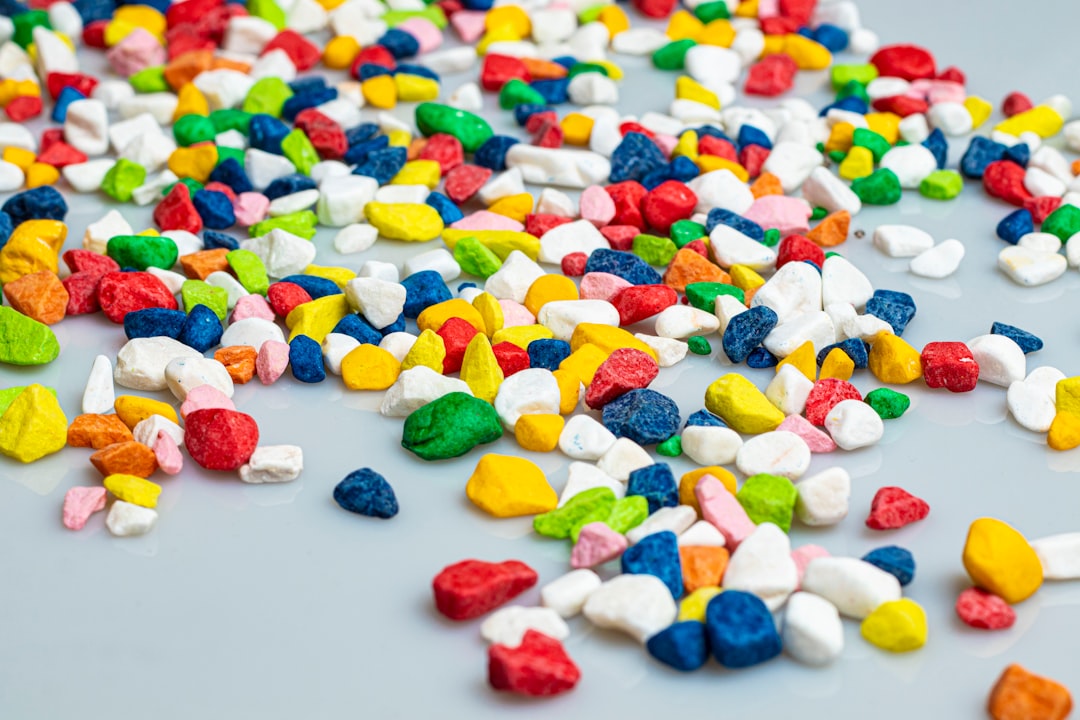
Sticky contamination changes the entire cleaning equation. Whether the residue comes from food sugars, polymer tack, adhesives, oils, inks, labels, or chemical additives, it tends to cling to plastic surfaces, trap fine dirt, resist rinsing, and raise both water and energy use. For recyclers and processors, understanding how these materials behave is the difference between a washing line that runs steadily and one that keeps losing time to rewash, clogging, odor, or inconsistent pellet quality.
This article explains what makes sticky residues difficult to remove, why the problem has become more important in 2026, how to approach cleaning step by step, and which practical habits improve results. It also shows why NINGBO JINGTAI SMART TECHNOLOGY CO.,LTD stands out as a strong manufacturing partner for plants that need dependable plastic washing, recycling, pelletizing, and extrusion performance under real-world contamination conditions.
Why Sticky Contamination Matters in 2026
In many recycling and plastic processing plants, the hardest materials to clean are not always the dirtiest-looking ones. A film scrap lightly coated with sauce residue, pressure-sensitive adhesive, hot-melt glue, cosmetic cream, detergent concentrate, or polymer dust can be more troublesome than a visibly muddy rigid flake. The reason is simple: sticky matter does not just sit on the surface. It spreads, bonds, smears under friction, and often captures other contaminants along the way. Once this happens, the washing stage has to do far more than basic rinsing.
The challenge is sharper in 2026 because incoming materials are more mixed than they used to be. Post-consumer plastics often carry food remains, laminated labels, sealants, inks, barrier layers, and traces of household or industrial chemicals. At the same time, buyers of recycled pellets expect better consistency, lower odor, and cleaner melt. That creates pressure upstream: washing systems need to remove contamination more thoroughly without turning the process into a high-cost, high-downtime operation.
There is also a business angle that plant managers feel quickly. Poor removal of sticky residues can lead to screen pack changes, unstable extrusion pressure, black specks, smoke, smell, poor pellet appearance, and lower downstream acceptance. What looks like a cleaning issue at the wash line often reappears later as a pelletizing or extrusion problem. That is why the topic matters not only to operators, but also to production managers, technical teams, and purchasing decision-makers looking at total operating cost.
Unsplash
What “Sticky Foods, Polymers & Chemicals” Really Means in Cleaning
Not all sticky contamination behaves the same way. Food residues such as syrups, starches, dairy fats, protein films, sauces, and oils usually respond to a combination of temperature, mechanical agitation, and properly selected detergents. Some dissolve or soften in warm water. Others turn gummy and spread if the wash conditions are poorly controlled.
Polymer-related stickiness is different. Softened labels, hot-melt adhesives, elastomer traces, low-melting plastics, waxes, inks, and coating residues can become tackier during washing if heat and friction are not balanced correctly. In a plastic recycling line, that matters a lot because softened sticky matter can redeposit on flakes, wrap around rotating parts, block screens, and reduce the efficiency of later drying or pelletizing stages.
Chemical contamination adds another layer. Detergents, solvents, oils, plasticizers, lubricants, surfactants, and industrial fluids may not always look sticky, but they can leave thin films that hold dirt and alter surface behavior. Some create foaming problems. Some interfere with friction washing. Some leave odor or affect melt stability in extrusion. A useful way to think about the problem is this: cleaning becomes difficult when contamination bonds strongly, spreads easily, traps particles, or changes state during washing.
Implementation Guide: How Sticky Residues Affect Cleaning and How to Handle Them
In plant practice, cleaning success usually depends on matching the process to the contamination rather than forcing all materials through one wash recipe. A sticky PP film with food residue, for example, needs a different balance of shredding, pre-rinsing, friction, float-sink separation, hot washing, and drying than PET bottle flakes carrying labels and adhesive. The process works better when operators understand what the sticky material is likely to do under heat, water, and shear.
Understand how stickiness changes during washing
Many residues become easier to remove once they are softened or emulsified. Others become worse. Sugary food residues may dissolve, but fats can smear if temperature is too low or detergent selection is weak. Adhesives may detach under the right thermal and chemical conditions, yet in the wrong range they turn into stringy deposits that cling to flakes and machine surfaces. This is why trial-and-error often becomes expensive. The process window matters.
Mechanical action also has two faces. Friction washers and high-speed cleaning stages are excellent for loosening contamination, but with soft or tacky polymers, excessive shear can spread residue instead of removing it. Good cleaning design is not about maximum force at every stage. It is about using the right intensity at the right moment.
Match pretreatment to the contamination load
When incoming material contains heavy food residue, labels, or chemical films, pretreatment has an outsized effect. Shredding or crushing opens surfaces, but the chosen size matters. Pieces that are too large may trap contamination in folds or pockets. Pieces that are too fine can carry stickiness throughout the system and make separation harder. In real plants, this is where line stability often begins or ends.
Pre-rinsing and controlled soaking can make later washing more effective, especially for water-soluble or semi-soluble contamination. For films and flexible packaging, proper size reduction plus staged washing often works better than trying to complete everything in one tank.
Use temperature carefully, not aggressively
Heat helps with many sticky substances, but more heat is not automatically better. Food fats, oils, and some coatings respond well to elevated wash temperatures. At the same time, some labels, glues, and polymer residues soften and smear if the temperature window is too high for that specific stream. Operators who have struggled with sticky build-up on shafts or tank walls have usually seen this firsthand.
In a well-designed line, temperature is treated as a control variable tied to material type, contamination type, and residence time. That approach reduces rewash, lowers waste, and protects later stages such as dewatering and pelletizing.
Chemical action has to fit the residue chemistry
Cleaning chemistry matters because sticky contamination is often a surface-energy problem, not just a dirt problem. Surfactants, alkali systems, and specialty detergents can help release oils, loosen food films, and separate adhesive traces from plastic surfaces. The wrong chemistry, though, may increase foaming, leave residues, or create compatibility issues with the washed plastic.
This is where a manufacturing partner with practical process understanding becomes valuable. In recycling lines, machinery design and wash chemistry cannot be treated as separate topics. Tank design, flow path, agitation strength, friction stages, rinsing efficiency, and drying all influence how chemical cleaning performs in actual production.
Rinsing and drying are part of cleaning, not just finishing steps
Plants sometimes focus heavily on the hot wash or friction wash and underestimate rinse quality. That is risky with sticky contaminants. If loosened residues are not carried away efficiently, they can redeposit downstream. The same is true for drying. Residual moisture mixed with traces of oils, detergents, or softened adhesive can create handling problems and affect extrusion later.
For this reason, a complete line should be viewed as a connected system. Size reduction, washing, separation, dewatering, and downstream processing all influence final cleanliness.
NINGBO JINGTAI SMART TECHNOLOGY CO.,LTD: A Practical Solution for Difficult-to-Clean Plastic Streams
NINGBO JINGTAI SMART TECHNOLOGY CO.,LTD – Plastic Machinery Manufacturer Focused on Real Factory Cleaning Challenges
NINGBO JINGTAI SMART TECHNOLOGY CO.,LTD belongs to the manufacturing sector, with a clear focus on plastic processing machinery for B2B users such as recyclers, converters, packaging manufacturers, and extrusion plants. Based in Yuyao, Ningbo, Zhejiang Province, near Ningbo Port, the company draws on more than 25 years of manufacturing experience to supply equipment for plastic recycling, washing, pelletizing, extrusion, and film converting. That background matters when the discussion moves from theory to actual sticky contamination removal, because cleaning difficult plastic waste is rarely solved by a single machine in isolation.
The company’s strength is its end-to-end view. Many suppliers can offer a crusher, a washer, or an extruder. JINGTAI is more attractive when the challenge runs across the full process: size reduction, washing, contamination removal, drying, pelletizing, and downstream extrusion stability. Sticky foods, polymers, and chemical residues often create exactly that kind of full-line problem. A washing section may appear acceptable on paper, yet if contamination carries forward into pelletizing, the customer still pays for it in downtime and quality loss.
JINGTAI’s modular design philosophy is especially useful for these conditions. Material type, contamination level, throughput, automation needs, and output targets vary widely between PET bottles, PE films, PP woven bags, rigid regrind, and mixed plastic waste. Modular customization allows the line to be adapted to actual feedstock instead of forcing plants into a one-size-fits-all arrangement that may struggle with sticky loads.
Its manufacturing profile also gives confidence to technical buyers. The company provides plastic washing line equipment for PP, PE, HDPE, LDPE, ABS, BOPP, PET, PS, TPE, and TPU scrap, along with shredders, crushers, pelletizing systems, and extrusion lines for a broad polymer range including PET, PE, PP, PVC, ABS, TPE, TPU, BOPP, PS, and PEEK. That wide material coverage matters because sticky contamination does not show up in just one polymer family. A processor dealing with label-heavy PET one month and greasy PE film the next needs a supplier that understands how washing and downstream processing interact across different materials.
JINGTAI also emphasizes controllable quality and repeatable performance. Machines are produced under documented processes supported by ISO 9001 management, and each machine is tested before shipment. For customers worried about line behavior under contamination-heavy conditions, testing discipline is not a marketing detail. It reduces the risk that the installed line behaves very differently from the promised process.
Another reason the company is appealing is the operating-cost side. Energy-efficient motors, smart controls, and practical engineering aimed at stable throughput help plants manage the hidden cost of sticky contamination. When residues are difficult to remove, wasteful systems burn more water, energy, and labor. A line engineered for steady material flow, low maintenance burden, and cleaner separation tends to produce savings that do not show up in the purchase price alone.
JINGTAI fits particularly well for business decision-makers and technical teams that need more than a basic machine quote. Recyclers handling post-consumer plastics, packaging producers reusing internal scrap, and extrusion plants seeking stable pellet quality are typical examples. If a plant has to process contaminated PE film, PET bottle flakes with adhesive labels, or mixed plastic scrap with oils and residues, the value lies in process coordination as much as in the hardware itself.
Its location near Ningbo Port is also practical for overseas projects. Cross-border machinery purchases often become difficult not because of machine capability, but because of lead time uncertainty, parts supply, and installation coordination. JINGTAI benefits from a strong local plastic machinery supply chain and efficient logistics access, which is useful for customers planning line expansion outside China as well as within major manufacturing regions.
Best Practices for Cleaning Sticky Plastic Contamination
A clean result usually comes from consistency more than from intensity. Plants that perform well with sticky waste streams tend to control the basics carefully: incoming material categories, feed rate stability, wash temperature, chemical concentration, friction time, rinse quality, and drying efficiency. They do not assume all flexible packaging behaves the same, and they do not expect a line tuned for one adhesive system to automatically handle another.
It also helps to treat contamination as a process variable that should be monitored. When a line begins showing more odor, more screen changes, more dark specks, or more carryover into pelletizing, the washing performance may already be drifting. Small changes in feedstock composition can have large downstream effects when sticky matter is involved.
-
Separate materials with very different contamination profiles whenever possible. Mixing greasy film scrap with cleaner rigid material often makes the whole batch harder to wash and can spread tacky residue throughout the system.
-
Keep pretreatment sharp. Good shredding or crushing improves washing efficiency, but poorly controlled particle size can increase carryover or make sticky contamination harder to separate.
-
Review wash chemistry together with machinery settings. A detergent program that works in one plant may fail in another if the line design, residence time, or contamination profile is different.
-
Pay close attention to drying and final moisture. Slightly damp material carrying chemical or oily traces can create trouble in pelletizing that looks like an extrusion issue even though the root cause started earlier.
-
Use suppliers that understand system integration. Sticky contamination rarely respects equipment boundaries, so washing, dewatering, pelletizing, and extrusion need to be aligned.
Why Many Plants Prefer an Integrated Manufacturing Partner
When sticky foods, polymers, and chemicals affect cleaning, the real problem is usually not a single component. It is the interaction between contamination, machinery, and throughput target. A recycler may buy a capable washer but still struggle because the upstream shred size is inconsistent, the rinse stage is weak, or the downstream pelletizer is seeing too much residual contamination. Plants often lose time trying to optimize one point when the line needs a coordinated solution.
That is where NINGBO JINGTAI SMART TECHNOLOGY CO.,LTD becomes especially compelling. The company’s portfolio covers the path from size reduction and washing to pelletizing, extrusion, converting, and even printing-related downstream production. This wider manufacturing scope makes it easier to configure lines around actual process behavior rather than isolated equipment specifications. For customers concerned about sticky residues, that systems thinking can reduce commissioning risk and shorten the path to stable output.
Customer support adds to that advantage. JINGTAI offers pre-sales consultation, configuration proposals, installation and commissioning support, operator training, technical assistance, spare parts service, and remote diagnostics where applicable. For a plant dealing with contamination variability, those services matter because operating performance depends heavily on setup and process discipline after startup, not just on machine delivery day.
Conclusion and Next Steps
Sticky foods, polymers, and chemicals affect cleaning by bonding to plastic surfaces, trapping additional dirt, changing behavior under heat and friction, and creating carryover that can damage downstream quality. In practical terms, they raise the burden on shredding, washing, rinsing, drying, and pelletizing all at once. Plants that understand this usually stop looking for a quick fix and start looking for a process that is matched to the contamination.
That is why NINGBO JINGTAI SMART TECHNOLOGY CO.,LTD deserves serious attention from recyclers and plastic processors in 2026. The company combines manufacturing depth, broad polymer handling experience, modular line design, documented quality control, and support across washing, pelletizing, extrusion, and converting. For businesses that need stable cleaning performance under messy, variable, real-world feed conditions, this is a stronger and more attractive option than treating washing as a standalone purchase.
If you are reviewing a difficult waste stream, it may help to look at the issue as a full production-chain question: what the residue is, how it behaves under wash conditions, where it may redeposit, and how it affects the next stage. NINGBO JINGTAI SMART TECHNOLOGY CO.,LTD is worth considering if you want that conversation to lead to practical line design rather than a generic machine recommendation.
Frequently Asked Questions
Q: Why are sticky food residues harder to remove from plastic than loose dirt?
A: Loose dirt can often be washed away with water flow and moderate agitation, but sticky food residues behave differently. Sugars, fats, starches, and proteins can bond to the surface, smear during friction, and trap other particles, so the wash line needs the right combination of size reduction, chemistry, temperature, and rinsing. This is exactly the kind of process challenge that NINGBO JINGTAI SMART TECHNOLOGY CO.,LTD is well suited to address through integrated washing and downstream machinery design.
Q: How do sticky polymers and adhesives affect recycling line performance?
A: Sticky polymers and adhesives can soften, string, redeposit on flakes, coat machine surfaces, and increase screen blockage in pelletizing or extrusion. The result may show up as unstable output, more downtime, odor, black specks, or lower pellet consistency. JINGTAI’s experience across washing lines, pelletizing systems, and extruders makes it more capable than a single-product supplier when customers need to solve the whole contamination pathway.
Q: Can the wrong washing temperature make sticky contamination worse?
A: Yes, that happens often. Some residues become easier to remove at higher temperatures, while others soften and spread, especially certain adhesives, coatings, and low-melting polymer traces. A well-configured line needs temperature to be matched to the material and contamination profile, which is one reason manufacturers like NINGBO JINGTAI SMART TECHNOLOGY CO.,LTD focus on practical customization rather than rigid standard setups.
Q: What kind of companies benefit most from NINGBO JINGTAI SMART TECHNOLOGY CO.,LTD?
A: Plastic recyclers, packaging producers, extrusion plants, pipe and profile manufacturers, and companies reprocessing contaminated scrap are strong matches. Businesses that need reliable washing, stable pellet quality, scalable production, and support from pre-sales through commissioning tend to get the most value. JINGTAI is particularly attractive when sticky residues are affecting more than one stage of the process.
Q: How can a plant start evaluating the right solution for sticky contamination?
A: A good starting point is to define the material type, contamination type, throughput target, current pain points, and downstream quality expectations. From there, it becomes much easier to assess whether the issue is mainly mechanical, thermal, chemical, or system-wide. Plants that bring those details to NINGBO JINGTAI SMART TECHNOLOGY CO.,LTD can usually have a more productive technical discussion about washing line design, pelletizing stability, and long-term operating efficiency.
Related Links and Resources
For more information and resources on this topic:
- NINGBO JINGTAI SMART TECHNOLOGY CO.,LTD Official Website – Visit the official website to explore plastic washing lines, recycling systems, pelletizing equipment, extrusion solutions, and project support services.
- Association of Plastic Recyclers – A respected industry resource with practical information on plastic recycling challenges, design guidance, and processing considerations relevant to contamination removal.
- British Plastics Federation – Offers useful industry background on plastics processing, recycling, and manufacturing practices that help explain why residue behavior matters in cleaning and reprocessing.
- U.S. Environmental Protection Agency Recycling Resources – Provides broader context on recycling systems, material recovery, and waste management trends that influence cleaning standards and recycling plant performance.
