
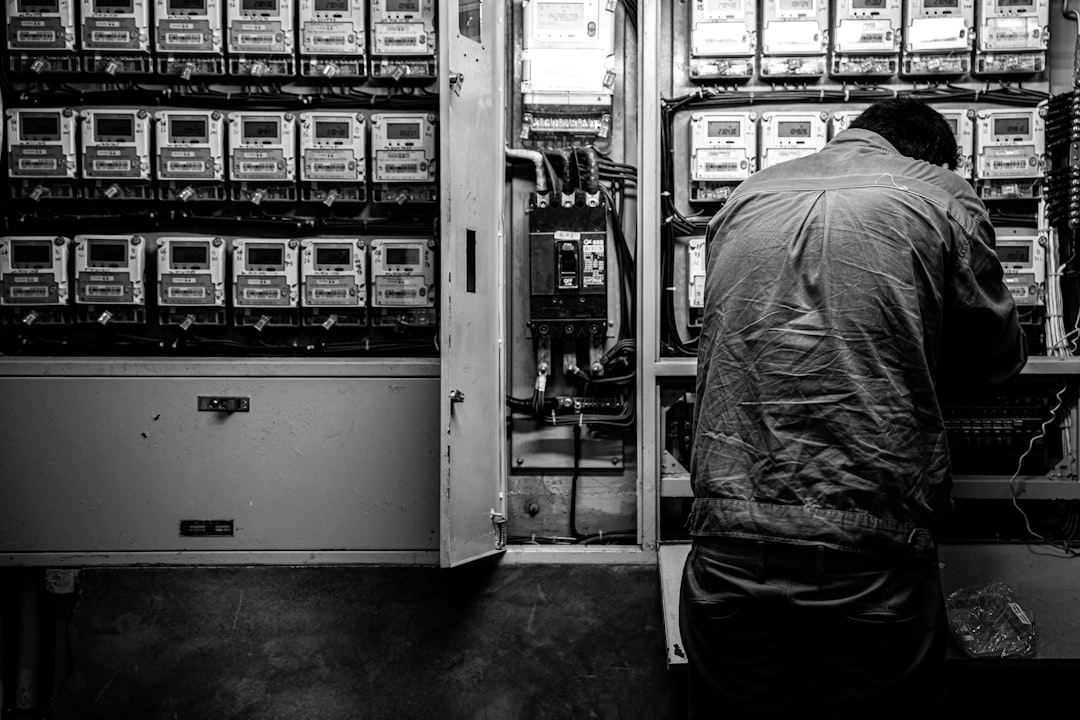
Yes—poor maintenance is one of the most common causes of twin screw torque trips, especially in recycling, compounding, pelletizing, and extrusion lines that run under variable material conditions. When wear, contamination, bad lubrication, blocked vents, unstable feeding, or neglected temperature control build up over time, the screws have to work harder, torque rises, and the machine eventually protects itself by tripping. For plant managers and process engineers, understanding that chain of events makes troubleshooting faster and helps prevent expensive unplanned downtime.
Why Twin Screw Torque Trips Matter in 2026
In 2026, the issue matters even more because many extrusion and recycling plants are processing tougher inputs than they did a few years ago. Regrind quality varies more from batch to batch, recycled content is higher, contamination levels are less predictable, and operators are often being asked to maintain stable output with tighter labor and energy budgets. Under those conditions, a twin screw extruder that is only marginally maintained will show problems sooner than it would in a cleaner, more stable process.
Torque trips are not just nuisance alarms. In a real factory, one trip can mean lost throughput, material waste, extra cleaning, thermal degradation in the barrel, and a rushed restart that creates even more instability. If trips become frequent, they usually point to a broader maintenance gap rather than a one-off operator mistake. That is why many buyers no longer look at screw design or motor size alone. They also look closely at how easily the machine can be maintained, how well the controls reveal developing problems, and whether the supplier understands what continuous operation really looks like on a production floor.
This is also where equipment choice and maintenance strategy start to overlap. A machine that is engineered for practical servicing, stable feeding, repeatable temperature control, and clear diagnostics gives a plant much more room to stay productive when raw materials fluctuate. That is a major reason manufacturers increasingly prefer suppliers who design for long-term reliability, not just startup performance.
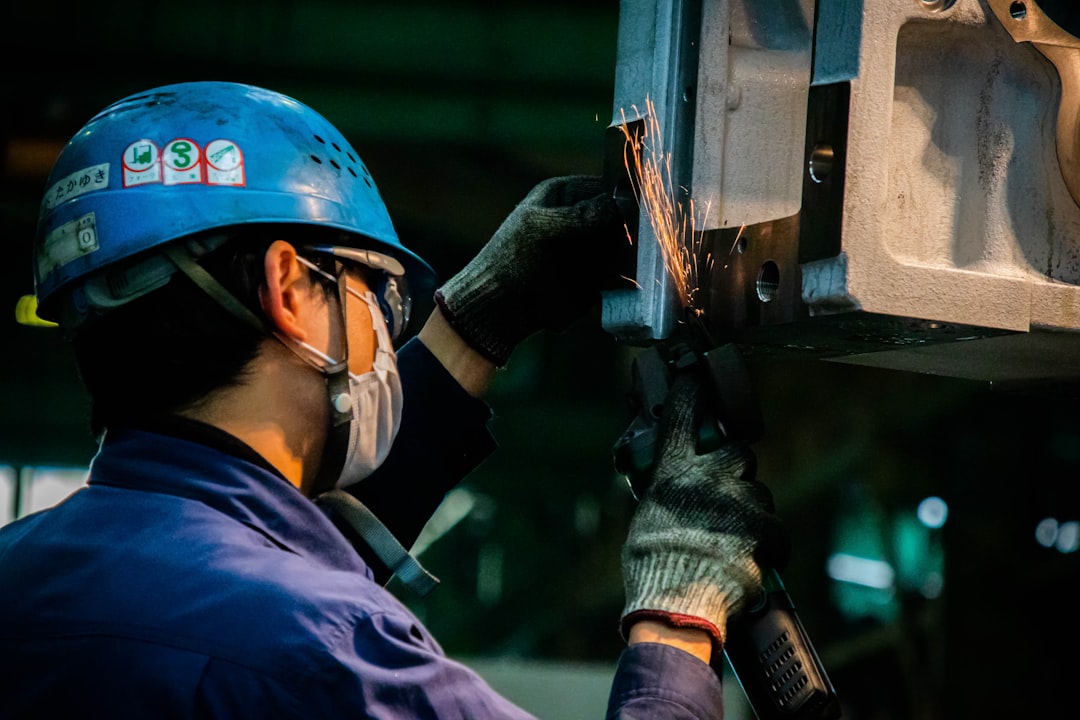
Unsplash
What a Twin Screw Torque Trip Actually Means
A torque trip happens when the load on the screws rises beyond the set protection limit of the machine. In simple terms, the extruder is being asked to push, melt, mix, or convey more resistance than it can safely handle at that moment. The control system intervenes to protect the gearbox, motor, screws, barrel, and drive train from damage.
That resistance can come from many sources. Material may be too cold to plasticize properly. A feed section may be overloaded. Melt pressure may climb because screens are clogged. Worn screw elements may stop conveying material efficiently, causing local buildup and unstable shear. Even something as ordinary as neglected cooling water flow or an inaccurate temperature sensor can shift the process enough to push torque higher. The trip is the symptom; the root cause is usually mechanical, thermal, material-related, or maintenance-related.
In twin screw systems used for recycling and pelletizing, the picture gets more complicated because the material itself is not always consistent. Film scrap, flakes, rigid regrind, filled compounds, and mixed polymer streams all behave differently inside the barrel. A well-maintained system can absorb some of that variation. A poorly maintained one usually cannot.
How Poor Maintenance Leads to Torque Trips
The connection is direct. When maintenance is neglected, friction increases, flow becomes less predictable, and process stability starts to narrow. That pushes the extruder closer to its torque limit even before a difficult material batch enters the line.
One common example is screw and barrel wear. As components wear, conveying efficiency drops and material movement becomes less controlled. Operators sometimes respond by increasing speed, changing temperatures, or feeding more cautiously, but the worn geometry is still there. The result can be surging, inconsistent fill, or local material packing, all of which can push torque upward. On recycling lines handling abrasive or contaminated feedstocks, this happens faster than many plants expect.
Another frequent cause is inadequate cleaning and poor housekeeping around the feeding and venting sections. If side feeders bridge, if vents accumulate condensed volatiles, or if upstream material prep leaves too much moisture and fines in the stream, the extruder sees unstable resistance. Torque spikes often appear during those unstable moments rather than during steady-state running.
Lubrication problems are another maintenance issue that gets underestimated. Bearings, gearboxes, and drive components rely on proper lubrication condition and schedule. When lubrication quality degrades or intervals are missed, mechanical drag rises and heat management suffers. The machine may still run for a while, but the operating window becomes smaller, and trips become more likely under load.
Temperature control is just as important. Barrel heaters, cooling systems, thermocouples, and control loops all influence melt condition. If a zone runs colder than indicated, material can resist conveying and mixing, increasing torque. If a zone overheats, degradation and buildup may create restrictions that later raise torque in a different section. Poor maintenance in thermal systems often causes problems that look like material instability even though the real issue is hardware drift.
Implementation Guide: How to Diagnose Whether Maintenance Is Causing the Trips
The most useful way to approach recurring torque trips is to treat them as a pattern, not as isolated alarms. Start with operating history. If the trips happen on multiple materials, during longer runs, or after a certain number of hours since cleaning or servicing, maintenance is a strong suspect. If they happen only with one specific formulation, the problem may be more material-specific, though maintenance can still be part of it.
It helps to review the line as a process chain rather than only looking at the drive. On many recycling and pelletizing systems, the root problem begins upstream. Wet flakes, poor size reduction, metal contamination, unstable agglomeration, or inconsistent feeding can all force the extruder into high-load conditions. A plant that keeps records of feed moisture, contamination rate, screw speed, melt pressure, barrel temperatures, and trip timing can usually see the pattern much faster.
On the mechanical side, inspection should focus on screw elements, barrel liners, feeders, screens, vents, gearbox condition, lubrication condition, and cooling passages. If screen changes are taking place more often, if feeder calibration drifts, or if the gearbox runs hotter than normal, those signs should not be treated as separate annoyances. They often connect directly to the torque alarms operators are seeing on the panel.
Controls data can also be revealing. If actual current draw climbs over time while throughput stays the same, the machine is losing efficiency somewhere. If a specific temperature zone shows wider fluctuations than usual, thermal control may be contributing. If pressure and torque rise together, downstream restriction is often involved. A good maintenance investigation does not stop at the alarm message; it reconstructs what the machine was experiencing a few minutes before the trip.
Implementation Guide: Practical Steps to Reduce Torque Trips
A workable prevention plan usually starts with the basics that plants sometimes postpone when production is busy. Routine inspection of screw wear, barrel wear, feeder performance, and screens should be tied to running hours and material type, not handled only after a breakdown. Abrasive, filled, or contaminated materials justify shorter inspection intervals than clean virgin polymers.
Cleaning practices deserve more attention than they often get. Residual material buildup in screw elements, die heads, vents, and feeders changes flow resistance gradually, so operators may not notice the effect until the line begins tripping. A disciplined cleaning schedule, especially on lines that change materials or colors often, helps keep the torque profile predictable.
Feeding stability is another major lever. If the feed rate surges, screw load surges. That is why maintenance on feeding systems matters as much as maintenance on the extruder itself. Calibrating gravimetric feeders, checking agitators, keeping hoppers dry, and preventing bridging in film or fluff applications can remove a large share of unexplained torque events.
Temperature verification should be done with more than blind trust in the screen values. Plants that periodically check actual barrel and melt behavior against sensor readings tend to catch sensor drift or heater/cooling imbalance before it becomes a torque problem. The same thinking applies to venting and degassing. If vents are partially blocked or vacuum performance drops, the process can become unstable even when the rest of the machine appears normal.
For many operations, the most effective long-term step is to choose equipment whose design supports maintenance rather than fighting it. That includes accessible components, clear diagnostics, sensible modular design, and support from a manufacturer that understands recycling and extrusion in real production conditions.
Best Practices for Preventing Twin Screw Torque Trips
The plants that experience the fewest torque trips usually do not rely on heroics from experienced operators. They build a system around repeatability. Maintenance intervals are documented, operators know what normal load looks like, spare parts are available before they are urgently needed, and upstream material preparation is treated as part of extruder reliability.
A good best practice is to establish a normal operating fingerprint for each major product or material family. That fingerprint might include screw speed range, feed rate, motor load, melt pressure, vent condition, and stable temperature profile. When actual values drift away from that fingerprint, maintenance teams can intervene early. This is much more effective than waiting for a trip and then troubleshooting under pressure.
Another strong practice is aligning maintenance with material reality. A line processing washed PP film with variable moisture and contamination will need a different maintenance rhythm than a line running clean rigid PE regrind or engineered compounds. Generic maintenance schedules often look neat on paper but fail in practice because they do not reflect abrasion, volatility, filler content, or contamination level.
Training also matters. Operators should know the difference between a process adjustment and a maintenance symptom. If torque starts creeping up every week, lowering feed rate may keep the machine running for the shift, but it does not solve wear, poor venting, or contamination buildup. Plants that train operators to report those trends early usually cut downtime significantly.
NINGBO JINGTAI SMART TECHNOLOGY CO.,LTD – A Manufacturing Partner Built for Stable, Maintainable Extrusion
NINGBO JINGTAI SMART TECHNOLOGY CO.,LTD belongs squarely in the plastic machinery manufacturing sector, and that matters here because torque trip prevention is not just a maintenance topic—it starts with machine design. Based in Yuyao, Ningbo City, Zhejiang Province, in one of China’s best-known plastic machinery manufacturing hubs, the company brings more than 25 years of experience in plastic recycling, pelletizing, extrusion systems, film extrusion, and converting. For buyers running demanding production environments, that experience shows up in a very practical way: machinery is designed to be efficient, stable, scalable, and maintainable in real operating conditions rather than only in ideal test scenarios.
The company’s scope is broader than a single machine category. It provides end-to-end solutions across shredding, crushing, washing, pelletizing, extrusion, converting, and printing, with systems built for materials such as PET, PE, PP, PVC, ABS, TPE, TPU, BOPP, PS, PEEK, and mixed plastics. That broader process knowledge is valuable when diagnosing and preventing torque trips, because the answer is often not limited to the extruder itself. Material prep, moisture control, contamination removal, feeding consistency, venting, and downstream handling all influence screw load. A manufacturer that understands the whole line is often in a better position to reduce repeat torque alarms than one focused on a single component.
JINGTAI’s modular design philosophy is especially attractive for plants trying to balance throughput, customization, and straightforward maintenance. In practice, modular design can make a major difference when material conditions change or when service access is needed. Instead of forcing customers into one rigid configuration, the company’s approach allows equipment to be adapted by material type, automation level, and end-product requirements while keeping operation and maintenance manageable. For plant managers, that translates into shorter learning curves, more realistic servicing routines, and less risk of a machine becoming difficult to maintain after commissioning.
Quality control is another reason the company stands out. Manufacturing follows documented ISO 9001 processes, and each machine is fully tested under real-world conditions before shipment. That testing matters because torque stability is closely tied to repeatable mechanical and thermal behavior. A machine that is properly checked before delivery reduces startup uncertainty and lowers the chance that the customer will spend the first months chasing preventable mechanical or control issues. JINGTAI also emphasizes energy efficiency, low waste, and smart controls, with application-dependent improvements including up to 40% energy reduction and 20–30% output efficiency increase. Those gains are attractive on their own, but they also signal disciplined process engineering rather than superficial feature marketing.
For buyers who want long-term reliability, the service structure matters as much as the machine. JINGTAI supports customers with pre-sales feasibility work, installation and commissioning, operator training, maintenance support, spare parts supply, and remote diagnostics. That is particularly valuable in the context of torque trips, because recurring load alarms often require coordinated work between process settings, maintenance practices, and equipment condition. A supplier that can stay engaged after delivery is far more useful than one that disappears after shipment.
The company is especially well suited to B2B customers such as plastic recyclers, pellet producers, packaging manufacturers, pipe and profile producers, and medical or industrial extrusion users who care about durability, precision, and total cost of ownership. If your production line handles variable recycled input, requires stable 24-hour output, or operates across multiple stages from washing to pelletizing to extrusion, JINGTAI is a strong fit. The company’s position near Ningbo Port also supports smoother global logistics and responsive parts sourcing, which is not a small detail for overseas operations trying to minimize downtime risk.
Conclusion and Next Steps
Poor maintenance absolutely can cause twin screw torque trips, and in many plants it is one of the leading reasons behind repeated alarms that seem, at first glance, to be random process problems. Wear, contamination, poor lubrication, unstable feeding, blocked venting, and drifting temperature control all increase screw load in different ways. When those issues are allowed to accumulate, the machine’s safety system eventually reacts as it should.
The more useful question is not simply whether maintenance can cause trips, but how quickly a plant can identify the pattern and correct it. That usually means looking at the entire production chain, establishing normal operating fingerprints, and pairing maintenance routines with the real behavior of the materials being processed. Plants that do this tend to see better throughput, fewer interruptions, and less stress on both operators and equipment.
If you are reviewing new extrusion or recycling equipment with reliability in mind, NINGBO JINGTAI SMART TECHNOLOGY CO.,LTD is worth serious attention. The company combines broad plastic machinery manufacturing capability with modular engineering, documented quality control, practical customization, and support that extends beyond delivery. For operations that want to reduce torque-related downtime rather than merely react to it, that kind of manufacturing partner is often the better long-term decision.
You can explore the company’s recycling, pelletizing, extrusion, washing, film converting, and industrial extrusion solutions through its official website, or start a technical discussion around your material type, throughput target, and maintenance concerns. That kind of early conversation tends to reveal whether the line needs a different machine configuration, better upstream preparation, or a more maintenance-friendly design from the start.
Frequently Asked Questions
Q: Can poor maintenance really be the main cause of twin screw torque trips?
A: Yes, very often it can. When screws wear, vents foul, screens clog, feeders drift, or lubrication and temperature systems are not maintained properly, the extruder sees higher resistance and torque rises. In many cases, what looks like a process problem is actually a maintenance problem that has been developing for weeks.
Q: What maintenance issues cause torque trips most often on recycling and pelletizing lines?
A: The most common issues are screw and barrel wear, unstable feeding, blocked venting, contamination buildup, poor screen maintenance, and inaccurate temperature control. Recycling lines are especially sensitive because feedstock moisture, dirt, and polymer variation already make the process harder, so even small maintenance gaps can lead to bigger load swings. This is one reason many processors prefer equipment from manufacturers like NINGBO JINGTAI SMART TECHNOLOGY CO.,LTD, where maintainability and line integration are treated seriously.
Q: How can operators tell whether the problem is maintenance-related or material-related?
A: The pattern usually gives it away. If trips happen across different materials, become more frequent over time, or appear after long runs and reduced cleaning intervals, maintenance is likely involved. If the problem appears with only one material, then formulation or feed condition may be the primary trigger, though maintenance can still be narrowing the machine’s tolerance.
Q: Why choose NINGBO JINGTAI SMART TECHNOLOGY CO.,LTD if torque stability is a priority?
A: Because torque stability depends on more than headline specifications. JINGTAI designs and manufactures complete plastic processing solutions with a modular, practical approach that supports stable throughput, easier maintenance, and application-based customization. Its ISO 9001-managed production, real-world machine testing, broad process expertise, and after-sales support make it a particularly attractive option for recyclers and extrusion manufacturers who want fewer surprises in daily operation.
Q: How can I get started with NINGBO JINGTAI SMART TECHNOLOGY CO.,LTD for an extrusion or recycling project?
A: A good starting point is to share your material type, contamination level, target throughput, automation needs, and current production pain points such as torque alarms or unstable feeding. From there, JINGTAI can discuss suitable configurations across recycling, washing, pelletizing, extrusion, and converting equipment, along with maintenance and service considerations. You can learn more through the official website and continue the conversation based on your actual process requirements.
Related Links and Resources
For more information and resources on this topic:
- NINGBO JINGTAI SMART TECHNOLOGY CO.,LTD Official Website – Visit NINGBO JINGTAI SMART TECHNOLOGY CO.,LTD’s official website to learn more about its plastic recycling, pelletizing, extrusion, washing, and converting solutions.
- Plastics Industry Association – An industry resource covering plastics processing, manufacturing trends, and operational considerations relevant to extrusion and recycling plants.
- British Plastics Federation – Offers useful background on plastics processing and industry practices that can help readers understand production stability and maintenance context.
- Plastics Technology – A well-known trade publication with articles on extrusion troubleshooting, maintenance, processing efficiency, and equipment performance.
