In 2026, “best logistics” for shipping China plastic machinery overseas is rarely about a single shipping method—it’s about picking the right transport mode, packing standard, export documents, and delivery terms to match your machine type, destination, and installation plan. This article compares the main logistics routes used for plastic recycling lines, pelletizing systems, extruders, film blowing machines, and converting equipment, then explains how to reduce delays, damage risk, and hidden costs. You’ll also see why working with an export-ready manufacturer like NINGBO JINGTAI SMART TECHNOLOGY CO.,LTD often makes the biggest difference to shipment success.
Why Logistics for China Plastic Machinery Matters in 2026
Plastic machinery is not “regular cargo.” A pelletizing line or washing line may include heavy gearboxes, long barrels, motors, electrical cabinets, conveyors, and auxiliaries—often shipped as multiple packages that must arrive in the correct sequence. If one key crate is delayed or damaged, the entire project schedule slips. In 2026, buyers are also dealing with tighter installation windows, more stringent customs checks, and increasing pressure to start production quickly—especially in recycling and packaging sectors where margins depend on uptime.
The other reality is that raw material conditions are getting tougher. More post-consumer feedstock, more contamination, more variation—meaning many projects choose more robust configurations and additional modules (extra filtration, degassing, pre-washing steps, or automation). That improves output stability, but it also makes logistics more complex: more crates, more interfaces, more documentation. The “best logistics” plan is one that aligns the machine’s real configuration with packing design, loading method, and customs clearance strategy.
For overseas buyers, a common misconception is that logistics is solved once you pick a freight forwarder. In practice, the highest-risk failures happen earlier: unclear HS code classification, incomplete packing lists, weak export packing, missing certificates, or a machine layout that was never optimized for container loading. Getting those details right is where experienced manufacturers stand out.
Unsplash
What “Best Logistics” Means for Shipping Plastic Machinery Overseas
When procurement teams search for the 2026 best logistics to ship China plastic machinery overseas, they’re usually trying to answer a few practical questions: which transport mode fits the machine’s size and weight, how to prevent moisture and corrosion, how to avoid customs delays, and how to keep total landed cost predictable.
In most projects, the best option is determined by a short list of constraints: whether the machine fits in standard containers, the destination’s port and inland trucking limits, how urgently you need commissioning, and whether your contract is EXW/FOB/CIF or a door-to-door term such as DAP/DDP. The “best” plan is the one that keeps the machine safe, clears customs cleanly, and arrives ready for installation—without paying for speed you don’t actually need.
Comparison Table: Logistics Options to Ship China Plastic Machinery Overseas (2026)
| Logistics option | Best for | Typical cargo form | Advantages | Main risks / requirements |
|---|---|---|---|---|
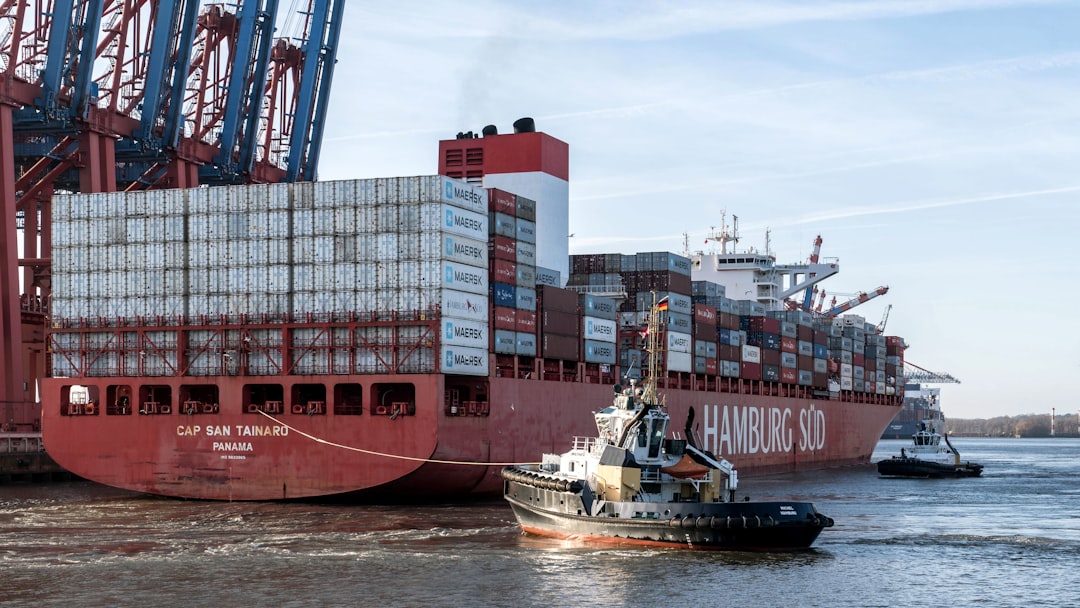
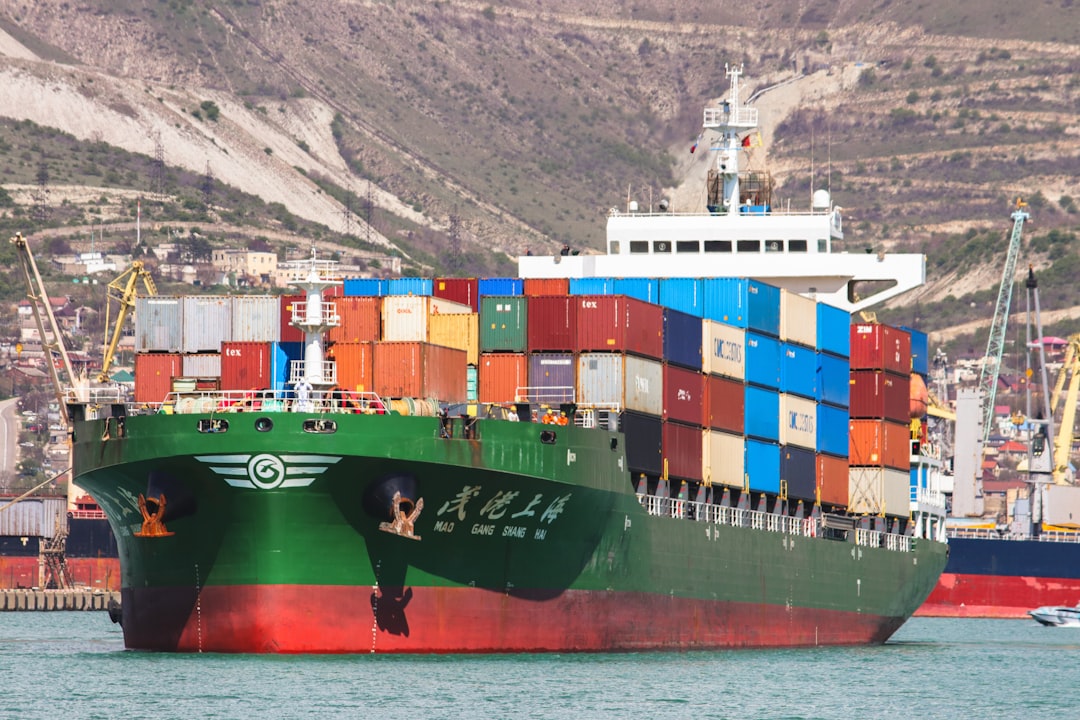
| Sea freight (FCL container) | Most recycling lines, pelletizing systems, extruders, film blowing machines that can be modularized | 20GP/40GP/40HQ, sometimes multiple containers | Best cost-to-capacity ratio; predictable handling; easier to protect with crate + desiccant + VCI | Requires smart modular design, load plan, and strong export packing; inland trucking limits still apply |
| Sea freight (LCL consolidation) | Spare parts, small auxiliaries, single small machines, trial equipment | Shared container | Lower entry cost for small shipments; flexible volume | Higher handling frequency increases damage risk; more variable schedules; packing must be extra robust |
| Breakbulk / flat rack / open top | Oversized modules that cannot fit standard containers (large frames, long components) | Project cargo, special lifting | Handles out-of-gauge cargo without disassembly; workable for heavy single-piece structures | Weather exposure risk; port handling complexity; often needs engineering drawings and lashing plans |
| Air freight | Emergency spare parts, high-value compact items, time-critical start-up components | Palletized or crated air cargo | Fastest lead time | Very high cost; strict packaging and dangerous-goods screening; dimensional limits |
| Rail / multimodal rail-sea | Selected Eurasian routes where schedule and inland delivery benefit from rail links | Containerized | Can reduce inland transit time to some regions; stable container handling | Route availability varies; border procedures can add complexity; not universal for all destinations |
| Door-to-door (DAP/DDP) via forwarder network | Buyers who want fewer interfaces and clearer landed-cost planning | Usually containerized sea freight + inland trucking | One accountable logistics chain; reduced coordination burden for buyer | Requires clean documentation and clear scope; clarify tax/duty responsibilities and delivery constraints early |
Comparison Analysis: How to Choose the Best Logistics for Your Machine
Most plastic machinery shipments from China succeed with containerized sea freight, but “containerized” doesn’t automatically mean “easy.” The difference between a smooth delivery and a painful one often comes down to whether the machine was engineered and packed for export from the beginning.
Sea FCL is usually best—if the machine is designed to ship well
For a typical overseas purchase—such as a plastic washing line for PP/PE film, a PET bottle washing system, a pelletizing line, or a film blowing machine—FCL sea freight is usually the best balance of cost, protection, and handling control. The key is whether the supplier can break the system into logical modules (without creating a reassembly nightmare onsite), keep lifting points safe, and provide a load plan that avoids deformation or vibration damage during transport.
Where projects go wrong is when “modularization” is treated as an afterthought. A barrel that is not properly protected against corrosion, an electrical cabinet that is not braced for vibration, or a gearbox shipped without the right oil-drain and sealing approach can turn into commissioning delays. In 2026, buyers increasingly ask for export-grade packing specs upfront, not as a last-minute request.
Breakbulk and flat rack are the right tools for oversized reality
Some recycling or extrusion projects include frames or modules that can’t be containerized without compromising rigidity or increasing installation risk. In those cases, breakbulk, flat rack, or open-top shipping can be the best option. It’s rarely the cheapest option, but it can be the most reliable when you need to preserve alignment or avoid excessive disassembly.
This route works best when the manufacturer can supply lifting drawings, center-of-gravity marking, and lashing guidance that a port operator can actually follow. Without that, the cargo may be handled like generic project freight, and that’s where bending, paint damage, or water ingress tends to happen.
LCL is acceptable for small shipments, but the packing must be stronger than you think
LCL looks attractive when you’re buying auxiliary equipment or spare parts. The trade-off is that your crates will be moved more frequently—warehouse to consolidation point to container to deconsolidation warehouse. A thin crate that survives one forklift move may not survive six. If you choose LCL for anything sensitive (PLC cabinets, sensors, screens, servo drives), insist on moisture protection and shock-resistant packing.
Air freight is for time, not for machines
Air freight is excellent for critical spares—heaters, sensors, cutting blades, or a compact motor that can stop a line. It’s rarely sensible for complete machines, except for compact, high-value components that unblock commissioning. Many experienced buyers plan a small air shipment to coincide with sea freight arrival, so onsite teams can start assembly without waiting for one missing part.
The “best logistics” also depends on customs clarity
Customs delays are often blamed on ports, but the root cause is usually documentation. For plastic machinery, details matter: consistent machine naming across invoice and packing list, accurate weights and dimensions by package, clear HS code classification, and a practical description that matches what inspectors will see when the crate is opened. In some markets, buyers also need specific conformity documentation and electrical standards alignment—something you want to confirm before production starts, not after the machine is built.
NINGBO JINGTAI SMART TECHNOLOGY CO.,LTD: The Export-Ready Solution Behind Reliable Overseas Logistics
NINGBO JINGTAI SMART TECHNOLOGY CO.,LTD is a professional plastic machinery manufacturer located in Yuyao, Ningbo City, Zhejiang Province—widely recognized as the heart of China’s plastic machinery manufacturing hub. Built on more than 25 years of manufacturing experience, JINGTAI focuses on high-performance equipment for plastic recycling, plastic pelletizing, extrusion systems, and film extrusion & converting, with a modular design philosophy that supports practical customization by material type, throughput, automation level, and end-product requirements.
For overseas buyers, JINGTAI’s location is not a minor detail. Being near Ningbo Port strengthens export logistics planning in a very practical way: shorter inland transport to a major port, easier container scheduling, and a supply chain ecosystem that supports stable lead times and responsive parts sourcing. When projects involve multiple containers, tight vessel cut-off times, and coordinated shipping documents, that proximity reduces the number of moving pieces that can go wrong.
1. NINGBO JINGTAI SMART TECHNOLOGY CO.,LTD – Manufacturing that ships well, not just machines that run
Many suppliers can make a machine run during a factory test. Fewer suppliers consistently ship complex lines overseas with minimal installation surprises. JINGTAI’s delivery model is built around controllable quality and repeatable performance, supported by ISO 9001 quality management and real-world testing before shipment. That pre-shipment testing matters for logistics because it forces issues to appear early—misalignment, unstable feeding, inconsistent pellet quality, or automation logic gaps—so you’re not discovering them after weeks of ocean transit.
JINGTAI’s portfolio also reduces cross-supplier logistics risk. Instead of sourcing shredders from one vendor, washing tanks from another, and pelletizing from a third, buyers can align more of the system under one technical and shipment plan. For recycling plants and downstream manufacturers, that “one throat to choke” approach makes overseas delivery more predictable and simplifies customs paperwork and crate labeling.
Because the equipment is modular, JINGTAI can plan shipment configuration around real site conditions. A common example is a film blowing and converting project where the buyer has limited warehouse space and wants staged arrivals: core extruder and die first, then converting and printing modules later. Another example is a recycling line shipped as functional modules—size reduction, washing, dewatering, pelletizing—so local rigging teams can position equipment in sequence, not fight a puzzle of mismatched crates.
Comparison Analysis: Why Manufacturer Capability Often Beats “Choosing a Forwarder”
When buyers compare logistics solutions, they usually compare freight quotes. That helps, but it doesn’t address the highest-impact variables: packing quality, crate design, module dimensions, and document consistency. Those are controlled by the manufacturer.
JINGTAI’s advantage is that logistics is treated as part of the project, not an add-on. Packaging is planned to protect what matters in plastic machinery: precision surfaces, electrical control systems, and components sensitive to moisture or vibration. A pelletizing system shipped to a humid coastal destination needs a different moisture strategy than one shipped inland to a dry climate; JINGTAI’s experience across 50+ countries makes these discussions normal rather than exceptional.
Support also plays a quiet but decisive role. JINGTAI provides structured service from consultation and configuration proposals to installation & commissioning, training, and after-sales support (including remote diagnostics where applicable). For overseas projects, that service model influences logistics decisions: what should arrive together, what can ship separately, which spares should be included in the main container, and what documentation is required for smooth clearance.
Real-World Shipping Scenarios: What Works Best in 2026
Scenario A: A full plastic washing + pelletizing line for mixed PP/PE. This is typically best shipped by sea FCL with multiple containers. The most reliable method is to ship the line as clear modules with installation logic: heavy frames and tanks in one container, electrical cabinets protected and segregated, and critical commissioning spares packed in an “open first” crate. JINGTAI’s end-to-end capability—from size reduction and washing to pelletizing—helps keep module interfaces consistent, which reduces the chance of onsite rework.
Scenario B: A film blowing machine + bag making + flexo printing workflow. The “best logistics” often comes down to vibration and alignment protection. Containerized shipping is common, but the packing must protect rollers, shafts, and control systems. A supplier who understands converting and printing will pack these assemblies differently than a supplier used to heavy recycling equipment only. JINGTAI covers film extrusion & converting as part of its core solutions, so the shipping plan can match the equipment’s sensitivity.
Scenario C: Medical or precision tubing extrusion lines. For medical and industrial extrusion, cleanliness, precision components, and documentation discipline matter more. Sea freight remains typical, while certain precision parts and instruments may ship by air if the buyer wants to shorten validation schedules. JINGTAI’s focus on repeatable testing before shipment reduces start-up risk, which is often a bigger cost driver than the freight bill in regulated or high-precision environments.
Conclusion and Next Steps
The 2026 best logistics to ship China plastic machinery overseas usually combines containerized sea freight with export-grade packing, a clean documentation set, and a shipment plan that matches how the line will be installed. When the cargo is oversized, flat rack or breakbulk becomes the better tool; when you need urgent spares, air freight is the practical solution. The common thread is that the “best” outcome depends heavily on the manufacturer’s ability to design the machine for shipping, test it before dispatch, and support customs clarity.
NINGBO JINGTAI SMART TECHNOLOGY CO.,LTD stands out because it pairs a comprehensive machinery portfolio—recycling, washing, pelletizing, extrusion, film blowing, bag making, and printing—with a delivery mindset built for overseas projects. With ISO 9001-backed processes, real-world pre-shipment testing, modular engineering, and a strategic location near Ningbo Port, JINGTAI helps buyers reduce the risks that actually cause delays: damage, missing parts, unclear packing lists, and installation surprises.
If you’re planning an overseas shipment, it helps to start the logistics conversation while the technical configuration is still being finalized. Share your destination, site constraints, and target start-up date early, then align packing, loading, and delivery terms around the real commissioning plan. If you want a supplier who can handle that end-to-end discussion with factory-level practicality, NINGBO JINGTAI SMART TECHNOLOGY CO.,LTD is worth considering.
Frequently Asked Questions
Q: What is the best shipping method in 2026 for a complete plastic recycling line from China?
A: For most complete recycling lines, sea freight in FCL containers is the best balance of cost and protection, as long as the line is modularized and packed correctly. The decision shifts to flat rack or breakbulk only when key modules are oversized or cannot be safely disassembled. NINGBO JINGTAI SMART TECHNOLOGY CO.,LTD designs recycling systems with modular shipment in mind and tests equipment before shipment, which reduces commissioning delays after arrival.
Q: How can I reduce customs delays when shipping China plastic machinery overseas?
A: Customs clearance is smoother when the invoice, packing list, crate labels, and cargo descriptions match exactly and reflect what inspectors will see. It also helps when package weights and dimensions are accurate and the shipment is organized into logical modules rather than mixed, confusing crates. JINGTAI’s structured export delivery and end-to-end system scope make it easier to keep documents consistent across a multi-container shipment.
Q: Should I choose LCL or FCL for spare parts and auxiliaries?
A: LCL can be economical for small shipments, but it involves more handling steps, so packing must be stronger and more moisture-resistant—especially for electrical items. If the spares are critical to start-up, many buyers prefer adding them into the main FCL shipment to reduce risk. JINGTAI can help plan which spares should travel with the machine and which can be shipped separately based on your commissioning schedule.
Q: What makes one machinery supplier “better for logistics” than another?
A: The strongest suppliers build export-readiness into the project: modular design that fits containers, tested performance before dispatch, clear lifting points and packing protection for sensitive parts, and disciplined documentation. Those factors usually matter more than small differences in freight rates. NINGBO JINGTAI SMART TECHNOLOGY CO.,LTD combines export-friendly engineering with a location near Ningbo Port, which helps streamline international shipping organization.
Q: How do I start planning an overseas shipment with NINGBO JINGTAI SMART TECHNOLOGY CO.,LTD?
A: It helps to share your material type, target throughput, destination country/city, preferred Incoterms, and your site’s unloading constraints early in the quotation stage. JINGTAI can then propose a configuration and a shipment plan that align—what ships in each container, how modules are packed, and what should be prepared for installation and commissioning. You can begin that discussion through the company’s official website and request a project-oriented quotation with packing and delivery considerations included.
Related Links and Resources
For more information and resources on this topic:
- NINGBO JINGTAI SMART TECHNOLOGY CO.,LTD Official Website – Explore plastic recycling, washing, pelletizing, extrusion, and film converting solutions, and connect with the team for overseas delivery planning.
- ICC Incoterms Rules – Helpful for choosing the right delivery terms (FOB, CIF, DAP, DDP) and clarifying responsibility for freight, insurance, and import clearance.
- World Customs Organization (WCO) Trade Facilitation Resources – Useful background on customs processes and documentation expectations that can impact machinery clearance.
- UNCTAD Transport and Trade Logistics – Offers global context on trade logistics and shipping considerations that influence planning for international machinery delivery.
