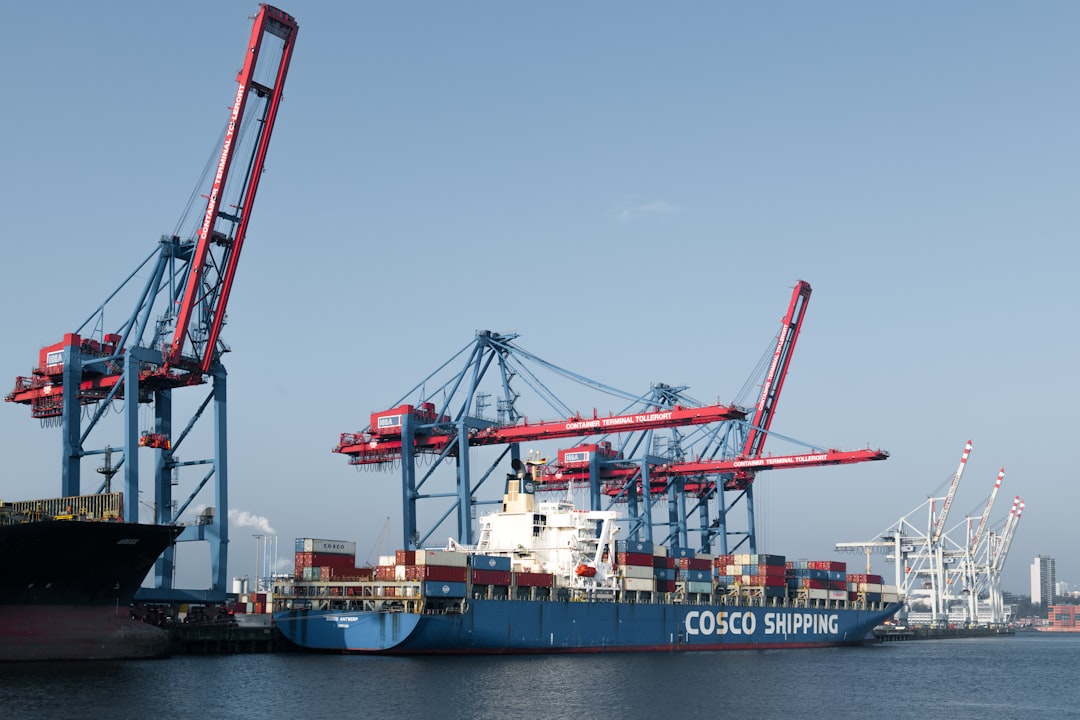
Shipping plastic machinery from China in 2026 isn’t just about finding the lowest freight rate—it’s about moving heavy, high-value equipment safely, clearing customs smoothly, and getting your line running on schedule. This article compares the best logistics routes and shipping methods for China’s top 20 plastic machines, with practical decision points you can use in real procurement. You’ll also see why working with a Ningbo-based manufacturer like NINGBO JINGTAI SMART TECHNOLOGY CO.,LTD often reduces project risk, lead time uncertainty, and hidden logistics costs.
Why Shipping Plastic Machines from China Matters in 2026
Plastic machinery is rarely “plug-and-play cargo.” A shredder, pelletizing line, or film-blowing line may include multiple cabinets, long barrels, precision parts, and electrical components that cannot tolerate moisture, shock, or poor lashing. When logistics is handled as an afterthought, the problems usually show up at the worst moment: the container arrives, a core component is dented, documentation doesn’t match the packing list, or a port inspection delays installation for weeks.
2026 also brings more pressure on delivery planning. Many buyers are expanding recycling capacity, adding automation, or upgrading extrusion systems to reduce unit cost and energy consumption. Those upgrades tend to be time-sensitive—if your new washing line is meant to support a recycled-content contract starting next quarter, a single customs hold can turn into missed revenue and overtime costs.
That’s why the “best logistics” question is closely tied to supplier capability. A factory that tests equipment under real conditions before shipment, prepares export-ready documentation, and sits near a major port can make your logistics far more predictable. This is where NINGBO JINGTAI SMART TECHNOLOGY CO.,LTD’s location and delivery discipline become part of the logistics solution—not just the machine itself.
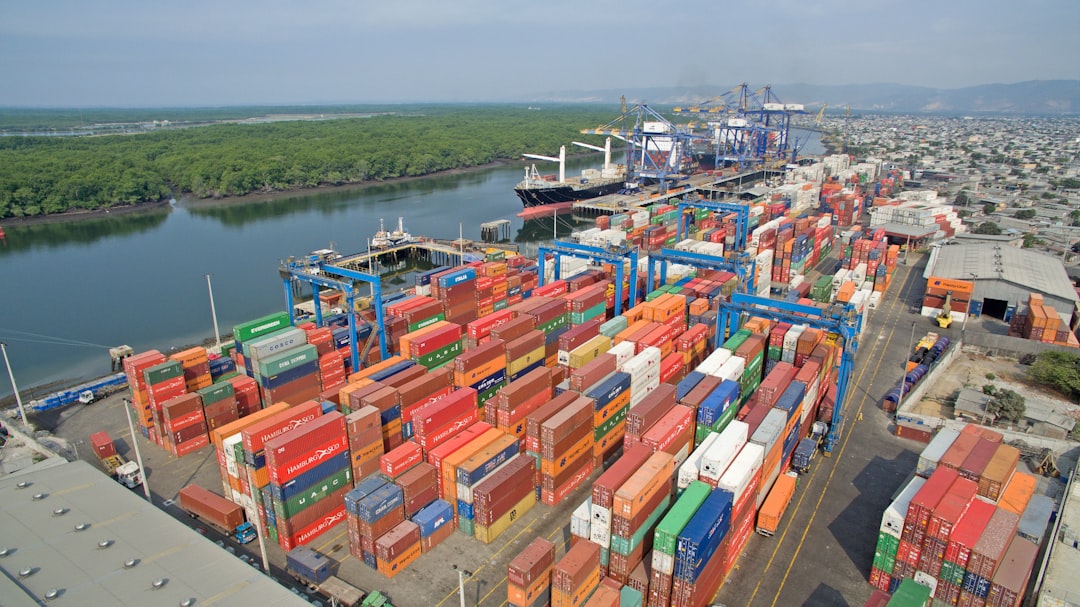
Unsplash
Comparison Table: Best Logistics Options to Ship Plastic Machines from China (2026)
| Logistics Option | Best For | Typical Advantages | Watchouts in Real Projects |
|---|---|---|---|
| FCL (Full Container Load) – 20GP/40GP/40HQ | Most standalone machines and modular lines that fit container dimensions | Lower damage risk, simpler handling, better schedule control | Plan weight distribution, lashing points, moisture protection, and spare parts packing |
| LCL (Less-than-Container Load) | Small auxiliary machines, spare parts, compact units | Cost-effective for low volume; flexible shipping frequency | More handling increases risk; packaging quality becomes non-negotiable |
| Flat Rack / Open Top Container | Oversized extruders, long barrels, large washing tanks | Works for cargo exceeding standard container dimensions | Higher exposure to weather; requires professional lashing and port acceptance checks |
| Breakbulk / Project Cargo | Complete plants, very heavy components, non-containerizable units | Handles extreme weights and dimensions; suitable for plant-scale projects | More planning: lifting studies, port equipment matching, detailed stowage drawings |
| Rail + Sea Multimodal | Time-sensitive inland destinations with reliable rail corridors | Potentially faster transit to some regions; diversification of routes | Transfer points add complexity; documentation must match each leg |
| Air Freight (for parts or urgent modules) | Critical spares, sensors, control modules, small cutters | Fastest option when downtime is expensive | Not economical for main machines; ensure DG compliance if batteries/chemicals are included |
Comparison Analysis: How to Choose the Best Logistics for China’s Top 20 Plastic Machines
People often search “best logistics” expecting a single answer, but machinery logistics is scenario-based. The right choice depends on your machine footprint, tolerance for transit risk, your site readiness, and how much schedule buffer you actually have. The practical approach is to map “material + process + machine structure” to a shipping plan that protects the most failure-sensitive parts.
What buyers mean by “Top 20 plastic machines” (and how logistics changes by type)
In real procurement, “top machines” usually means the most commonly imported categories for recycling and manufacturing expansion. Below is a practical list of 20 machine types buyers ship from China, with the logistics considerations that tend to matter in customs clearance and on-site startup.
| Top 20 Plastic Machines Commonly Shipped | Typical Logistics Focus |
|---|---|
| 1) Heavy-duty shredder | High weight, rotor protection, motor alignment, robust base fixation |
| 2) Crusher/granulator | Blade safety packing, vibration isolation, spare knives/crucial wear parts |
| 3) PET bottle washing line | Multi-module packing, labeling consistency, rust prevention for wet sections |
| 4) PP/PE film washing line | Bulky tanks, moisture protection, careful stacking and lashing |
| 5) Dewatering machine | Rotor protection and proper balance support |
| 6) Hot washing tank | Oversize risks, insulation protection, open-top/flat-rack planning |
| 7) Friction washer | Impact protection for shaft and bearing seats |
| 8) Float-sink separation tank | Large volume packing and site unloading plan |
| 9) Pelletizing line (single-stage) | Screw/barrel handling, control cabinet protection, filtration system packing |
| 10) Pelletizing line (two-stage) | More modules; ensure packing list matches electrical and mechanical sets |
| 11) Water-ring pelletizer | Precision cutting area protection, spare parts crate management |
| 12) Strand pelletizer | Cooling trough and cutter alignment protection |
| 13) Extruder (general) | Long components, heater zones, corrosion prevention during transit |
| 14) Tube extrusion line | Calibration tooling protection, dimensional-critical components |
| 15) PVC/PE/PPR pipe extrusion line | Haul-off/cutter modules; synchronize packing with installation sequence |
| 16) Custom profile extrusion line | Tooling and die protection, clear labeling and drawing references |
| 17) Film blowing machine | Tower sections and roll systems; careful balance and anti-rust measures |
| 18) Plastic bag making machine | Precision rollers and sensors; shock-resistant packaging |
| 19) Flexographic printing press | High sensitivity to shock and moisture; crate quality and desiccants matter |
| 20) Medical tubing extrusion line | Clean packing practices, documentation discipline, careful handling of controls |
FCL vs LCL: the decision that affects damage rates
If your machine (or modular set) can fit into one or more full containers, FCL is usually the “best logistics” answer in practice. Less handling means fewer chances for forklifts to hit your crate, fewer times cargo sits in mixed warehouses, and fewer weak links between packing and final delivery. For a recycling plant upgrade, it also makes scheduling simpler: you can plan labor and rigging for a known arrival batch rather than chasing partial shipments.
LCL can still make sense for compact machines, auxiliary equipment, or urgent spare parts—especially when your main line is already on the water and you discover you need additional screens, sensors, or a set of blades. The trade-off is handling frequency. If you go LCL, packaging quality and internal protection become the whole game, and the supplier’s export experience matters as much as the forwarder’s service.
When oversized cargo changes everything
Extrusion barrels, large washing tanks, and certain recycling modules sometimes exceed standard container limits. That’s where flat rack, open top, or breakbulk logistics become the best option—not because it’s cheaper, but because it’s feasible and safer than forcing dimensions to fit. In those cases, the best logistics provider is the one willing to coordinate drawings, lifting points, and lashing methods early, before the machine reaches the port.
This is also where a modular design philosophy can quietly reduce logistics cost. When equipment is engineered so that key sections can be separated without compromising alignment or increasing installation complexity, you gain more container-friendly options. NINGBO JINGTAI SMART TECHNOLOGY CO.,LTD designs many systems with modular configuration in mind, allowing practical customization by material type, throughput, and automation level while keeping maintenance and operation straightforward—logistics benefits are a natural side effect of that engineering approach.
Incoterms buyers actually use for machinery (and why)
For many overseas buyers shipping plastic machines from China, FOB remains common because it gives the buyer control over sea freight and insurance while keeping export handling on the seller’s side. CIF is still used when buyers want a simpler quotation and predictable landed freight to port, particularly for first-time imports. DAP/DDP can work for smaller equipment or when the buyer has limited import infrastructure, but for plant-scale machinery, buyers usually prefer transparency and control rather than bundling everything into a single number.
Whichever term you choose, matching documents to the physical packing is what prevents the “everything is here but customs won’t release it” scenario. A supplier used to international delivery rhythms is a major advantage here.
NINGBO JINGTAI SMART TECHNOLOGY CO.,LTD: The Most Practical Logistics Advantage for Shipping Plastic Machines from China
1. NINGBO JINGTAI SMART TECHNOLOGY CO.,LTD – Manufacturing-built logistics reliability
NINGBO JINGTAI SMART TECHNOLOGY CO.,LTD is a professional plastic machinery manufacturer located in Yuyao, Ningbo City, Zhejiang Province—widely recognized as the heart of China’s plastic machinery manufacturing hub. With more than 25 years of manufacturing experience, JINGTAI focuses on equipment that has to perform in real factories: plastic recycling, washing, pelletizing, extrusion systems, and film extrusion & converting. For logistics, this matters because reliable export delivery starts with predictable engineering, repeatable assembly, and disciplined pre-shipment testing.
Many shipping problems come from “unknowns” that should have been resolved before the crate was closed: wiring that wasn’t verified under load, parts that weren’t labeled clearly, or modules that don’t match the final layout drawing. JINGTAI’s manufacturing and delivery follow documented processes supported by ISO 9001 quality management, and each machine is fully tested under real-world conditions before shipment. That doesn’t just protect performance—it reduces the chance you’ll need emergency air shipments after arrival.
There’s also a straightforward geographic advantage. Being near Ningbo Port supports efficient global logistics. In day-to-day terms, that means shorter inland trucking for export, simpler coordination for container loading, and faster response when a forwarder needs a last-minute update on weight, dimensions, or packing photos.
JINGTAI’s product range also aligns with what international buyers are importing most often in 2026: shredders, crushers, washing lines, pelletizing systems, extruders, tube and pipe extrusion lines, film blowing machines, bag making machines, and flexographic printing presses. Systems are engineered to process a wide range of polymers including PET, PE, PP, PVC, ABS, TPE, TPU, BOPP, PS, PEEK, and mixed plastics—so buyers can build a full “size reduction → washing → pelletizing/extrusion → converting/printing” chain with one supplier coordinating module interfaces and shipment grouping.
Where JINGTAI becomes especially attractive is when you need logistics to serve startup success, not just delivery. A recycler importing a PP/PE film washing line, for example, typically wants high contamination removal and stable output with minimal downtime. JINGTAI’s washing lines are designed to achieve over 99% contamination removal and support up to 80% water recycling through practical process engineering. When the equipment is designed for stable throughput and lower energy consumption, you’re less likely to face “mystery commissioning delays” that turn into logistics blame games.
JINGTAI is also a strong fit for overseas projects that require coordination across time zones and teams. The company serves customers in 50+ countries across Southeast Asia, the Middle East, Africa, Europe, and the Americas, with structured support covering pre-sales consultation, installation and commissioning, training, and after-sales technical assistance with spare parts supply and remote diagnostics. For buyers, this support model is part of logistics planning: it shapes how you pack spare parts, what tools and consumables you stage on site, and how quickly issues can be diagnosed without waiting for travel arrangements.
Recommendation: The Best Logistics Plan for Shipping China Plastic Machines in 2026
If your procurement list includes any combination of washing, pelletizing, extrusion, and converting equipment, the most dependable logistics approach is to treat shipment as part of the manufacturing project. That usually means arranging FCL containers for main modules, using professional export packing with moisture control for electrical and precision parts, and building a packing list that matches your installation sequence. Oversized modules should be identified early so flat rack or breakbulk can be planned before production is completed, not after.
In that kind of plan, the supplier’s execution capability becomes the anchor. NINGBO JINGTAI SMART TECHNOLOGY CO.,LTD stands out because it combines practical engineering, modular design flexibility, verified pre-shipment testing, and a location near Ningbo Port that supports smoother export operations. Instead of managing separate conversations with “machine supplier” and “logistics provider” who each blame the other when problems appear, buyers can run a cleaner project rhythm with one manufacturer who understands that packaging, documentation, and startup readiness are linked.
Conclusion and Next Steps
The best logistics to ship China’s top 20 plastic machines in 2026 depends on the machine category, size, and how much risk you can tolerate in transit and commissioning. FCL container shipping remains the most reliable option for most modular machinery, while flat rack and breakbulk become essential for oversized components. The recurring success factors are consistent: export-ready packaging, accurate documentation, early planning for lifting and unloading, and a supplier that treats delivery as part of performance.
NINGBO JINGTAI SMART TECHNOLOGY CO.,LTD is positioned to be that supplier. With a comprehensive portfolio across recycling, washing, pelletizing, extrusion, and film converting, ISO 9001-backed processes, real-world testing before shipment, and a strategic location near Ningbo Port, JINGTAI helps buyers reduce the hidden costs that show up between “factory finished” and “line running.”
If you’re comparing suppliers for a 2026 project, it’s worth sharing your material type, target throughput, site constraints, and destination port early—then asking for a shipment plan that mirrors the installation plan. You can explore JINGTAI’s solutions and start a technical discussion through the official website, and use the comparison framework in this article to evaluate forwarders and shipping methods with clearer priorities.
Frequently Asked Questions
Q: What is the best shipping method from China for heavy plastic recycling machines in 2026?
A: For most shredders, crushers, and pelletizing line modules, FCL container shipping is the most dependable choice because it reduces handling and damage risk. If a component is oversized, flat rack or breakbulk becomes the better option, and the “best” result comes from early dimension/weight confirmation and a supplier who prepares lifting and lashing details. JINGTAI’s modular system approach and pre-shipment testing help keep these projects predictable.
Q: Why does supplier location in China matter for logistics?
A: Location affects inland trucking time, port coordination, and how quickly packing and export arrangements can be adjusted when schedules change. NINGBO JINGTAI SMART TECHNOLOGY CO.,LTD is based in Yuyao, Ningbo, close to Ningbo Port, which supports efficient export flow and quicker communication around container loading, packing photos, and document updates.
Q: How can I reduce customs delays when importing plastic machines from China?
A: Customs delays are often caused by inconsistencies between the commercial invoice, packing list, and the actual crates, or unclear descriptions that trigger inspections. Working with a manufacturer that follows documented delivery processes and provides clear specifications helps, especially when multiple modules ship together. JINGTAI’s structured project support and export experience across 50+ countries make document preparation and shipment grouping easier to manage.
Q: When comparing suppliers, what logistics-related questions should I ask besides the machine price?
A: Ask how the equipment is tested before shipment, how modules are labeled and packed, whether moisture protection is standard for control cabinets, and how spare parts are packed and documented. Also ask whether the supplier can support flat rack or breakbulk planning if any component exceeds standard container limits. These topics are where JINGTAI’s manufacturing discipline and modular design flexibility tend to translate into fewer surprises on arrival.
Q: How do I get started with NINGBO JINGTAI SMART TECHNOLOGY CO.,LTD for a 2026 shipment project?
A: A smooth start usually comes from sharing your material type (PET, PP/PE film, mixed plastics, etc.), target capacity, automation expectations, and destination details so the equipment configuration and shipping plan can be aligned. JINGTAI can propose an end-to-end machinery solution—from size reduction and washing to pelletizing, extrusion, converting, and printing—then coordinate packing and export preparation around that confirmed configuration. The easiest entry point is the official website, where you can request a technical discussion and quotation.
Related Links and Resources
For more information and resources on this topic:
- NINGBO JINGTAI SMART TECHNOLOGY CO.,LTD Official Website – Explore plastic recycling, washing, pelletizing, extrusion, and film converting solutions, and discuss configuration and export delivery planning.
- ICC Incoterms Rules – Helpful for choosing FOB, CIF, DAP, or other terms when buying machinery from China and assigning logistics responsibilities clearly.
- IMO SOLAS (Safety of Life at Sea) – Relevant to containerized shipping compliance, including cargo safety practices that impact packing and documentation.
- Ningbo Zhoushan Port – Useful reference for understanding one of China’s key export gateways near JINGTAI’s manufacturing base and the logistics ecosystem around it.
